





Kingcup Cactus
Echinocereus triglochidiatus
The Kingcup Cactus is a special plant that grows in the desert. It has bright, colorful flowers and is shaped like a little cup. This cactus loves the sun and can survive in very dry places!
Habitat: Desert
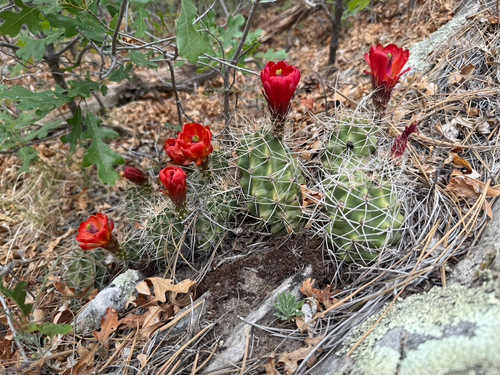
The Kingcup Cactus has thick, ribbed stems covered in bundles of sharp, reddish-brown spines. Its striking, waxy flowers are a vibrant scarlet or orange-red, often appearing in clusters at the stem tops, creating a brilliant splash of color against its green body.
Category
PlantsRarity
Common
Danger
2/5 · Low
Snaps
22
Its bright fruits taste like strawberries, often enjoyed by desert animals!
Some parts of this cactus can actually survive a wildfire and grow back!
The Kingcup Cactus is sometimes called a 'claret cup' for its wine-red flowers.
This tough plant can live for over 50 years, even in very harsh conditions!
Kingcup Cactus has sharp spines that deter hungry animals from taking a bite, keeping it safe in the desert.
Its thick stems are perfectly designed to store precious water, helping it survive long, dry periods in harsh climates.
This cactus can withstand surprisingly cold temperatures, allowing it to thrive high on chilly mountain slopes.
The Kingcup Cactus grows brilliant red-orange flowers to attract busy bees and hummingbirds for pollination.
Apis mellifera
Helps spread pollen from its bright flowers.

Archilochus alexandri
Sips nectar, carrying pollen to other flowers.

Neotoma albigula
Feeds on the sweet, red fruits of the cactus.
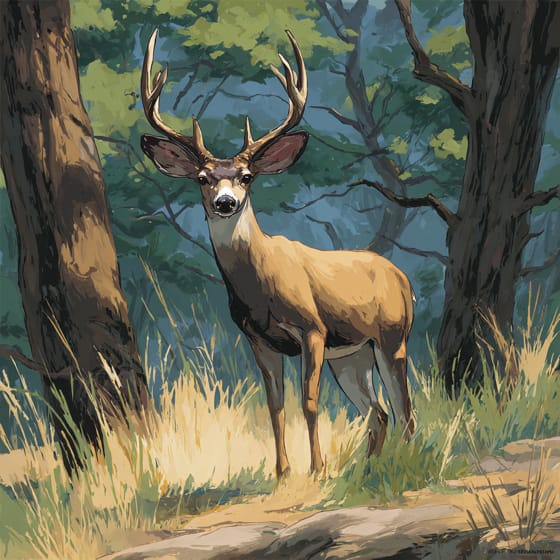
Odocoileus hemionus
Browses on the fruits, sometimes even the stems.
Flowering plants are any plants that produce flowers as part of their reproductive cycle.
Spring blooming plants produce their flowers during the spring season, often signifying the end of winter and the start of new growth.
Drought-tolerant plants can survive and flourish in conditions with limited water availability.
Succulent plants have thickened, fleshy parts, usually leaves or stems, adapted to store water in arid climates.

Describes plants that are particularly attractive and beneficial to a wide range of pollinating organisms.

Desert habitats are arid regions characterized by extremely low precipitation and often extreme temperatures, supporting specialized flora and fauna.

This trait characterizes organisms with an exceptionally long lifespan compared to others of their kind.
No aliases listed yet.
Danger
2/5 · Low
Be careful around cacti! Their spines can be sharp.
The easiest way to identify Kingcup Cactus is to use the Snappit nature identifier app.
10-30 cm
30-90 cm
5-8 cm
Spring to early Summer
Yes
None
Perennial
Zoom in to split clusters and explore where this object has been snapped.
May 26, 2026
Main Avenue Historic DistrictPhoto attribution
(c) Michelle Pustka, some rights reserved (CC BY)
License: CC BY 4.0 ↗
Image may be shown cropped inside the card frame.

New Mexico, US
You might spot Tree Cholla, Colorado Pinyon, and House Finch.
View guide →

Colorado, US
You might spot Common Side-Blotched Lizard and Eastern Collared Lizard.
View guide →

New Mexico, US
You might spot Common Side-Blotched Lizard and Kingcup Cactus.
View guide →

New Mexico, US
You might spot Tree Cholla, Mule Deer, and Sacred Datura.
View guide →

New Mexico, US
You might spot Tree Cholla, Colorado Pinyon, and Apache Plume.
View guide →

New Mexico, US
You might spot Pinkflower Hedgehog Cactus and Kingcup Cactus.
View guide →
Take the discovery with you
Snap it with Snappit to identify it, learn what makes it special, and add the discovery to your collection.








.jpg&width=800)



_001.jpg&width=800)



