





laurel sumac
Malosma laurina
Laurel sumac is a lovely shrub that grows in warm, sunny places. It has shiny green leaves and can produce small, sweet-smelling flowers that attract butterflies and bees!
Habitat: Coastal areas
The laurel sumac has glossy, dark green, leathery leaves that often appear twisted, growing on distinctive reddish branches. Its small, creamy-white flowers grow in dense, upright clusters, standing out against its deep green foliage.
Category
PlantsRarity
Common
Danger
1/5 · Very low
Snaps
4
Its leaves smell spicy and peppery when crushed, like a secret seasoning!
Native peoples once used its berries to brew a refreshing, tart lemonade-like drink!
Some of its seeds need the heat of a fire to finally wake up and grow!
You can tell it's a laurel sumac by its distinctive reddish-purple new branches!
laurel sumac can quickly resprout from its woody base after a wildfire, allowing it to recover fast.
laurel sumac has deep taproots and leathery leaves that help it survive long periods without water.
laurel sumac's aromatic oils in its leaves may deter some hungry herbivores from munching.
Apis mellifera
collects nectar and pollen
.jpg&width=800)
Polioptila caerulea
builds nests in its dense branches
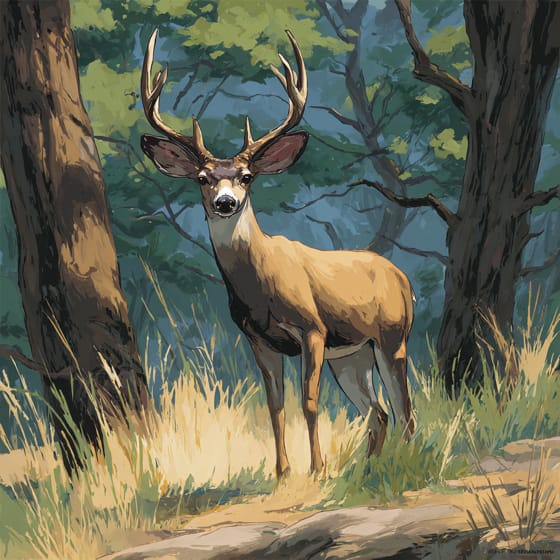
Odocoileus hemionus
browses on its leaves and young shoots

Sciurus griseus
rests and hides in its canopy
Aromatic plants produce and emit fragrant volatile organic compounds, often for defense or to attract pollinators.
Flowering plants are any plants that produce flowers as part of their reproductive cycle.
A shrub is a woody plant smaller than a tree, typically with multiple stems branching from or near the ground.
Evergreen plants retain their foliage throughout the year, never shedding all their leaves at once.

Fragrant flowers emit a pleasant aroma, often to attract pollinators or for defense.

Medicinal plants possess chemical compounds that can be used for therapeutic purposes to treat illnesses or maintain health.

Drought-tolerant plants can survive and flourish in conditions with limited water availability.

Describes plants that are particularly attractive and beneficial to a wide range of pollinating organisms.

Coastal habitats are dynamic environments located along the interface between land and sea, influenced by tides, waves, and saltwater.

Describes a species whose presence and role have a disproportionately large effect on its environment.
No aliases listed yet.
Danger
1/5 · Very low
Always look but don't touch plants unless an adult says it's okay.
The easiest way to identify laurel sumac is to use the Snappit nature identifier app.
300-500 cm
300-500 cm
0.3-0.5 cm
Late spring to summer
Yes
None
Perennial
Zoom in to split clusters and explore where this object has been snapped.

California, US
You might spot Peridot Sweat Bee and Western Fence Lizard.
View guide →

California, US
You might spot Sunburst Anemone, Ochre Sea Star, and Striped Shore Crab.
View guide →

California, US
You might spot Sunburst Anemone, Western Gull, and Giant Coreopsis.
View guide →

California, US
You might spot Western Fence Lizard, Duck, and Black Phoebe.
View guide →

California, US
You might spot Western Fence Lizard, Eastern Fox Squirrel, and Bee.
View guide →

California, US
You might spot Western Fence Lizard and California Buckwheat.
View guide →
Take the discovery with you
Snap it with Snappit to identify it, learn what makes it special, and add the discovery to your collection.








.jpg&width=800)


_001.jpg&width=800)



