.JPG&width=800)




leadplant
Amorpha canescens
Leadplant is a lovely shrub with soft, gray-green leaves and beautiful purple flowers. It grows in sunny places and helps attract butterflies to gardens.
Habitat: Grasslands
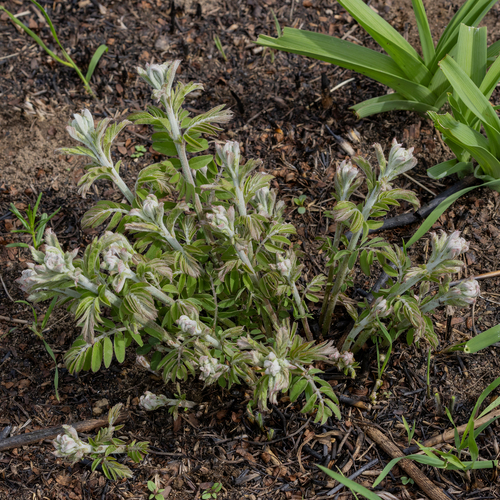
The leadplant is a bushy, upright perennial with distinctive silvery-green leaves, giving it a soft, fuzzy appearance. Its tall, slender flower spikes are densely packed with small, bright purple flowers, each featuring prominent orange anthers that make them stand out.
Category
PlantsRarity
Common
Danger
1/5 · Very low
Snaps
15
Even after a prairie fire, leadplant quickly regrows from its deep, hidden roots!
It has unusual flowers with only one petal, making it stand out from many other pea family plants.
Its leaves feel surprisingly soft, like velvet, due to tiny hairs covering their surfaces!
The 'lead' in its name comes from the unique, dull, grayish-green color of its foliage.
Leadplant can partner with tiny soil bacteria that help convert nitrogen from the air into plant food, enriching the soil for everyone.
Leadplant has an incredibly deep taproot that can reach water far underground, helping it survive long dry periods.
Leadplant can quickly resprout from its robust root system after prairie fires, making it a tough survivor.

Bombus impatiens
Collects nectar and pollen from its flowers.
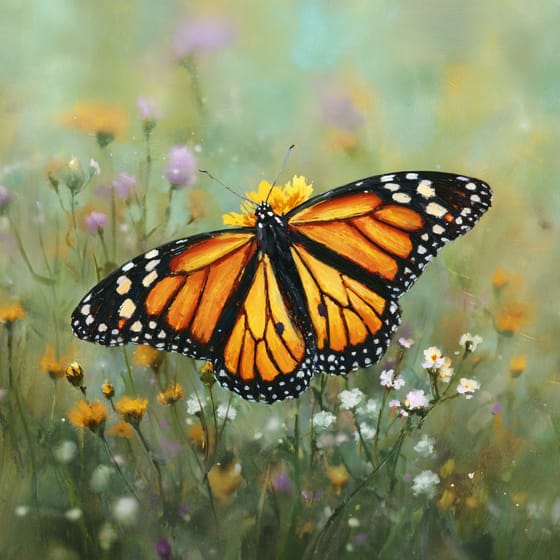
Danaus plexippus
Feeds on nectar, helping to spread pollen.

Chlosyne nycteis
Its larvae feed on the leaves and stems of leadplant.

Odocoileus virginianus
Browses on its leaves and tender shoots.
Deciduous plants periodically shed all their leaves, typically during autumn or dry seasons.
Flowering plants are any plants that produce flowers as part of their reproductive cycle.
Describes organisms capable of converting atmospheric nitrogen into compounds usable by plants.
A shrub is a woody plant smaller than a tree, typically with multiple stems branching from or near the ground.

Summer blooming plants produce their flowers during the summer season, often providing vibrant color when many other plants have finished.

Fragrant flowers emit a pleasant aroma, often to attract pollinators or for defense.

Grassland habitats are terrestrial biomes dominated by grasses and herbaceous plants, supporting a variety of grazing animals.

Describes plants that are particularly attractive and beneficial to a wide range of pollinating organisms.
No aliases listed yet.
Danger
1/5 · Very low
Always look but don't touch plants unless you know they are safe.
The easiest way to identify leadplant is to use the Snappit nature identifier app.
30-100 cm
30-90 cm
0.5-1 cm
Summer
No
None
Perennial
Zoom in to split clusters and explore where this object has been snapped.
May 18, 2026
International Crane FoundationPhoto attribution
(c) Dan Vickers, some rights reserved (CC BY)
License: CC BY 4.0 ↗
Image may be shown cropped inside the card frame.

Kansas, US
You might spot American Robin, Monarch, and Italian Wall Lizard.
View guide →

Missouri, US
You might spot Painted-Cup Paintbrush and Great Spangled Fritillary.
View guide →

Wisconsin, US
You might spot Sundial Lupine, Canadian Lousewort, and Cream Wild-Indigo.
View guide →

Minnesota, US
You might spot Rue Anemone, Bloodroot, and White-Tailed Deer.
View guide →

Wisconsin, US
You might spot Green Comet Milkweed, Wood Lily, and Flowering Spurge.
View guide →

Minnesota, US
You might spot Amethyst Shooting Star, Rue Anemone, and Bald Eagle.
View guide →
Take the discovery with you
Snap it with Snappit to identify it, learn what makes it special, and add the discovery to your collection.







.jpg&width=800)


_001.jpg&width=800)




