





Least Chipmunk
Neotamias minimus
The Least Chipmunk is a small, striped animal that loves to scurry around in the grass and trees. It has a cute little face and a fluffy tail, making it a fun sight to see in nature!
Habitat: Forests
The Least Chipmunk is the smallest North American chipmunk, featuring a reddish-brown body with five distinct dark stripes on its back separated by lighter cream-colored bands. It has pale stripes above and below its eyes, contrasting with its pointed snout.
Category
MammalsRarity
Common
Danger
1/5 · Very low
Snaps
5
A chipmunk's home can have many tunnels, secret rooms, and even a special toilet area!
Despite their name, they are excellent at finding food, even sniffing out buried fungi like truffles.
They can survive harsh winters by going into a deep sleep called torpor, waking up to eat stored food!
They make over 10 different calls, from alarm chirps to soft trills, to chat with other chipmunks.
Least Chipmunk has stretchy cheek pouches that help them carry lots of food at once back to their burrow.
Least Chipmunk can dig complex underground burrows very quickly to create safe homes and food storage.
Least Chipmunk can swiftly climb trees and shrubs to escape predators and forage for food like berries.
These tiny foragers eat a mix of plants and insects to fuel their busy days!
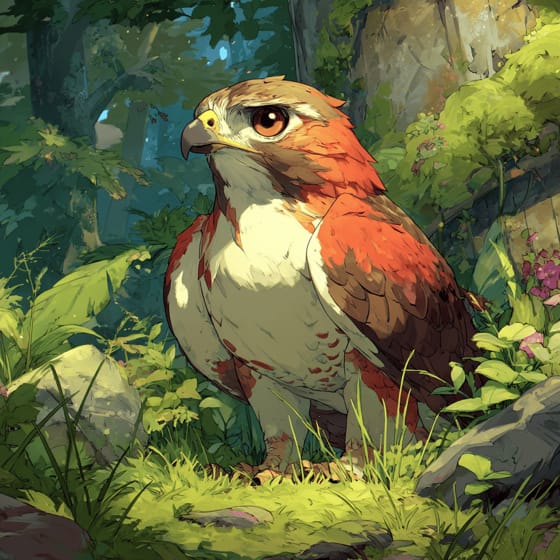
Buteo jamaicensis
A common raptor that hunts small mammals like chipmunks.

Mustela frenata
A swift predator that can pursue chipmunks into their burrows.

Pinus contorta
Relies on the seeds from this pine for a significant food source.

Vaccinium scoparium
Consumes the small, edible berries found in mountain habitats.
Furry describes animals possessing a dense covering of soft hair or fur.
Marked with parallel bands or lines of color.
Social animals live in organized groups, cooperating for survival benefits such as foraging, defense, and raising offspring.
This trait characterizes organisms whose diet consists entirely or primarily of plant material.

Forest habitats are terrestrial environments dominated by dense tree cover, supporting a high diversity of plant and animal life.

Diurnal animals are primarily active during daylight hours, typically resting or sleeping at night.

This trait identifies organisms that exhibit exceptional swiftness in movement for hunting, escape, or travel.
No aliases listed yet.
Danger
1/5 · Very low
Always watch chipmunks from a distance and don't try to catch them.
The easiest way to identify Least Chipmunk is to use the Snappit nature identifier app.
17-22 cm
0.025-0.06 kg
2-5 years
18 km/h
These tiny foragers eat a mix of plants and insects to fuel their busy days!
Forests
Foraging
Zoom in to split clusters and explore where this object has been snapped.

Colorado, US
You might spot Rocky Mountain Marsh-Marigold and American Bistort.
View guide →

South Dakota, US
You might spot Wood Duck, Tansy, and Mountain Goat.
View guide →

Colorado, US
You might spot Red Osier Dogwood and Creeping Mahonia.
View guide →

Colorado, US
You might spot Broad-Tailed Hummingbird.
View guide →
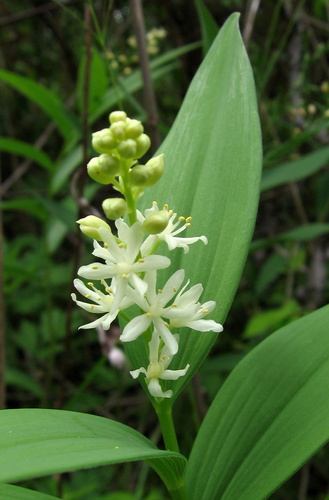
Michigan, US
You might spot Star-Flowered Lily-Of-The-Valley and Common Silverweed.
View guide →
.jpg)
South Dakota, US
You might spot Least Chipmunk and Rocky Mountains Ponderosa Pine.
View guide →
Take the discovery with you
Snap it with Snappit to identify it, learn what makes it special, and add the discovery to your collection.




.jpg&width=800)

.JPG&width=800)


.jpg&width=800)
