





Marsh Rabbit
Sylvilagus palustris
The Marsh Rabbit is a small, fluffy rabbit that loves to live in wet areas like marshes and swamps. They have big ears and a short tail, making them super cute and fun to watch!
Habitat: Wetlands
The Marsh Rabbit is a medium-sized rabbit with short, rounded ears and a dark, reddish-brown coat. Its coarse, water-repellent fur helps it stay dry, and unlike other rabbits, its tail is dark brown all over, not white underneath.
Category
MammalsRarity
Common
Danger
1/5 · Very low
Snaps
11
Marsh Rabbits can actually dive completely underwater to hide from danger!
They leave a distinct scent trail when traveling through their swampy home.
They often build their nests on small dry mounds of vegetation.
Unlike most rabbits, their tail is dark brown all over, not fluffy white.
Marsh Rabbits can swim powerfully underwater to escape predators or find food in their wetland home.
Marsh Rabbits have small, rounded ears that help them move easily through dense marsh plants without snagging.
Marsh Rabbits have coarse, dark fur that blends perfectly with muddy banks and dark water, making them hard to spot.
These plant-eaters munch on wetland grasses and aquatic plants found in their watery home!
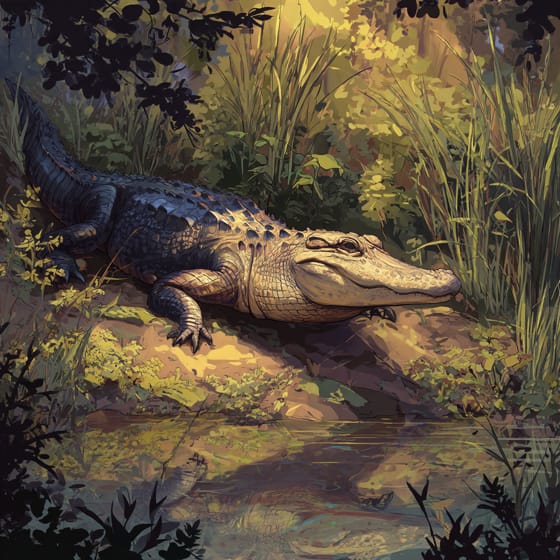
Alligator mississippiensis
A major predator in their wetland habitat.
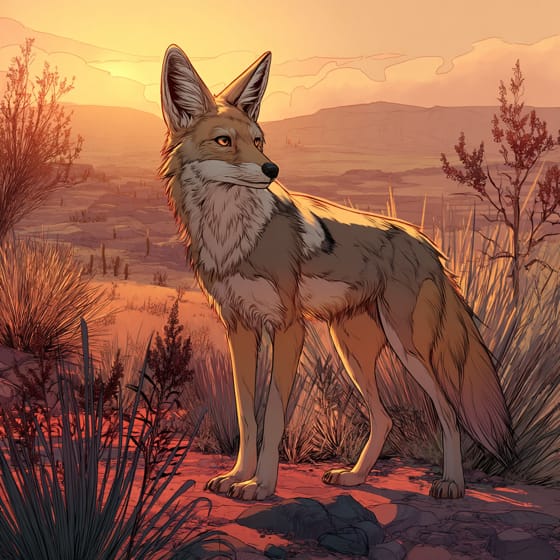
Canis latrans
Hunts rabbits and small animals near water.
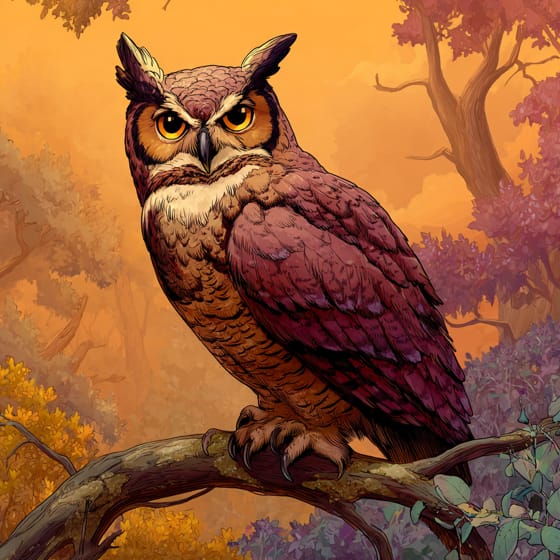
Bubo virginianus
Preys on them during twilight hours.
Typha latifolia
A common aquatic plant in their diet.
Juncus roemerianus
Feeds on this common marsh plant.
Furry describes animals possessing a dense covering of soft hair or fur.
Solitary animals live alone for most of their lives, only interacting with others for mating or parental care.
This trait characterizes organisms whose diet consists entirely or primarily of plant material.
This habitat trait identifies species found in wetlands, which are areas of land saturated with water, either permanently or seasonally, including marshes, swamps, and bogs.

Nocturnal animals are primarily active during the nighttime hours, typically resting or sleeping during the day.
No aliases listed yet.
Danger
1/5 · Very low
If you see a rabbit in the wild, watch it from a distance and don't try to touch it.
The easiest way to identify Marsh Rabbit is to use the Snappit nature identifier app.
43-45 cm
1.6-1.7 kg
1-4 years
29 km/h
These plant-eaters munch on wetland grasses and aquatic plants found in their watery home!
Wetlands
Foraging
Zoom in to split clusters and explore where this object has been snapped.

Florida, US
You might spot Brown Anole, White Ibis, and Anhinga.
View guide →

Florida, US
You might spot Peters's Rock Agama, Brown Anole, and American Alligator.
View guide →

South Carolina, US
You might spot Gulf Fritillary, Poey's Furrow Bee, and Anole.
View guide →

Florida, US
You might spot American Alligator, Great Blue Heron, and Anhinga.
View guide →

Florida, US
You might spot Baobab, African Elephant, and Giraffes.
View guide →
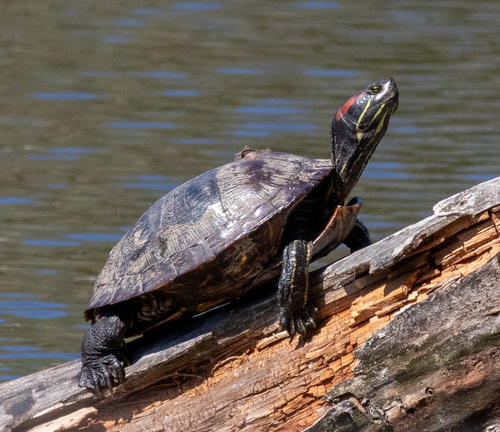
North Carolina, US
You might spot Pond Slider, Golden Silk Spider, and Gulf Fritillary.
View guide →
Take the discovery with you
Snap it with Snappit to identify it, learn what makes it special, and add the discovery to your collection.




.jpg&width=800)



.JPG&width=800)


.jpg&width=800)
