.jpg&width=800)





pigeonberry
Rivina humilis
Pigeonberry is a small plant with bright red berries that grow in clusters. It loves to grow in warm places and can often be found in gardens and along paths.
Habitat: Urban areas
The pigeonberry is a small, bushy perennial herb with slender stems and bright green, oval leaves. It produces tiny white to pinkish-white flowers that develop into clusters of shiny, translucent red berries, resembling miniature jewels against the green foliage.
Category
PlantsRarity
Common
Danger
2/5 · Low
Snaps
10
Even though it's pretty, its berry juice can stain clothes like magic, temporary ink!
Its tiny flowers are like delicate chandeliers, ready to become super red berries!
Pigeonberry is like a plant globetrotter, found in warm places all over the world!
Some people call it 'bloodberry' because its fruits are such an intense red color!
Pigeonberry has a robust root system that helps it find water and survive in dry conditions.
Its bright red berries attract birds, which eat the fruit and help spread the plant's seeds far and wide.
Pigeonberry grows quickly, allowing it to rapidly colonize new areas and thrive in different habitats.
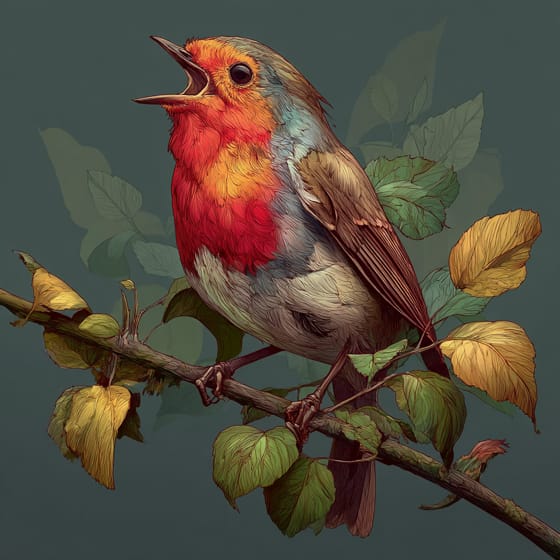
Turdus migratorius
eats its berries, spreading seeds
Apis mellifera
visits tiny flowers for nectar

Quercus virginiana
often grows in its dappled shade
Deciduous plants periodically shed all their leaves, typically during autumn or dry seasons.
Ornamental plants are cultivated primarily for their aesthetic appeal, enhancing landscapes and gardens with their attractive foliage, flowers, or form.
A shrub is a woody plant smaller than a tree, typically with multiple stems branching from or near the ground.
Fruit-bearing plants produce fruits, which are the mature ovaries of flowering plants containing seeds.

Edible plants are those parts of a plant that are considered safe for human consumption.

This habitat trait indicates species that can coexist with humans in urban and suburban environments, utilizing man-made structures and green spaces.
No aliases listed yet.
Danger
2/5 · Low
Do not eat the berries, as they can make you feel sick.
The easiest way to identify pigeonberry is to use the Snappit nature identifier app.
30-100 cm
30-60 cm
0.2-0.5 cm
Year-round
No
Mild
Perennial
Zoom in to split clusters and explore where this object has been snapped.

Florida, US
You might spot White Ibis, Green Iguana, and Black-Crowned Night Heron.
View guide →

US
You might spot Pond Slider, Black-Bellied Whistling-Duck, and Brown Anole.
View guide →

Texas, US
You might spot African Elephant, Reticulated Giraffe, and African Lion.
View guide →

Texas, US
You might spot African Lion, Giraffes, and Hippopotamus.
View guide →

Texas, US
You might spot Yellow-Crowned Night Heron, Duck, and Wood Duck.
View guide →

Florida, US
You might spot Julia Heliconian, Marlberry, and White Peacock.
View guide →
Take the discovery with you
Snap it with Snappit to identify it, learn what makes it special, and add the discovery to your collection.








.jpg&width=800)



_001.jpg&width=800)



