


Plains Hognose Snake
Heterodon nasicus
The Plains Hognose Snake is a fun and friendly snake that loves to dig in the sand. It has a special upturned nose that helps it burrow and find food. When scared, it can puff up and play dead to trick its enemies!
Habitat: Grasslands
The Plains Hognose Snake has a stout body, typically light brown, tan, or gray, with dark, rounded blotches down its back. Its most distinct feature is an upturned, shovel-like snout that aids in digging. Its underside is usually lighter, often speckled.
Category
ReptilesRarity
Common
Danger
1/5 · Very low
Snaps
5
Their scales are keeled, meaning they feel rough, not smooth!
They can burrow backwards into soft sand using strong muscles in seconds!
They expertly eat toxic toads that most other animals avoid!
When playing dead, they release a musky smell to convince predators!
Plains Hognose Snake can burrow quickly because of its specialized, upturned nose that acts like a tiny shovel.
Plains Hognose Snake can fool predators by rolling over and playing dead, making them seem less appealing.
Plains Hognose Snake can flatten its neck like a cobra, appearing bigger and more threatening.
Plains Hognose Snake can subdue toxic toads using mild, rear-fanged venom that aids digestion.
This snake mainly eats amphibians like toads and frogs, often digging them out of their hiding spots.
Solitary animals live alone for most of their lives, only interacting with others for mating or parental care.
Scavengers consume dead organic matter, helping to decompose carcasses and other waste in the ecosystem.
Burrowing animals dig tunnels and chambers in the ground, using these subterranean structures for shelter, hunting, or breeding.
Camouflaged describes organisms that possess coloring or patterns that allow them to blend into their environment.

Grassland habitats are terrestrial biomes dominated by grasses and herbaceous plants, supporting a variety of grazing animals.

This trait identifies organisms whose diet consists entirely or primarily of animal tissue.
No aliases listed yet.
Danger
1/5 · Very low
If you see a snake, it's best to watch from a distance and not touch it.
The easiest way to identify Plains Hognose Snake is to use the Snappit nature identifier app.
38-75 cm
0.05-0.2 kg
8-12 years
5 km/h
This snake mainly eats amphibians like toads and frogs, often digging them out of their hiding spots.
Grasslands
Foraging
Zoom in to split clusters and explore where this object has been snapped.

Iowa, US
You might spot Monarch and American White Pelican.
View guide →

Nebraska, US
You might spot Mule Deer, House Sparrow, and Eurasian Collared-Dove.
View guide →

Nebraska, US
You might spot Monarch, Black Swallowtail, and European Mantis.
View guide →

Texas, US
You might spot Field Bindweed and Purple Groundcherry.
View guide →

New Mexico, US
You might spot Ocotillo, Texas Mountain Laurel, and Agarita.
View guide →
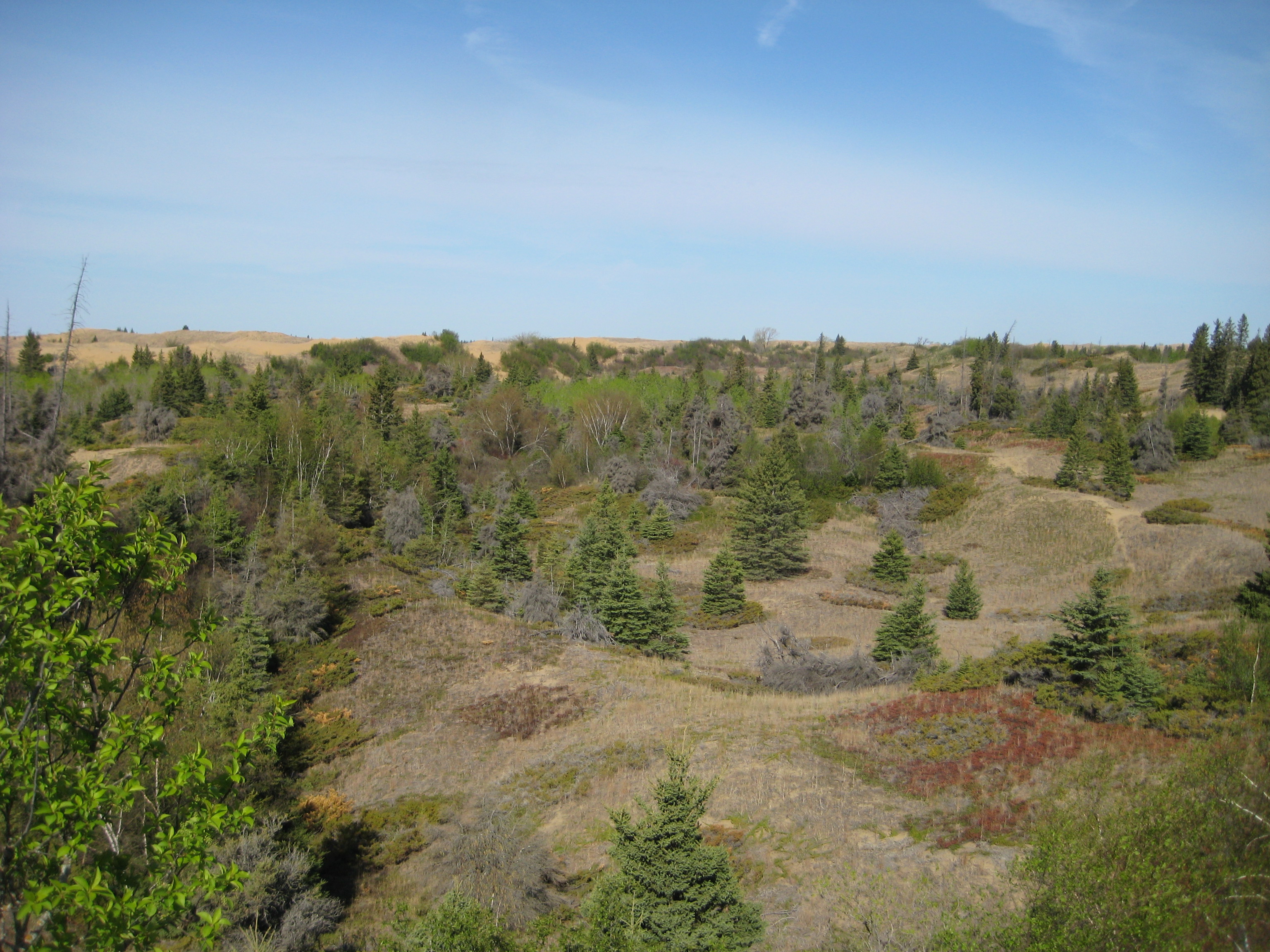
Manitoba, CA
You might spot Prairie Skink, Smooth Greensnake, and Admiral Butterfly.
View guide →
Take the discovery with you
Snap it with Snappit to identify it, learn what makes it special, and add the discovery to your collection.