





Rose-ringed Parakeet
Psittacula krameri
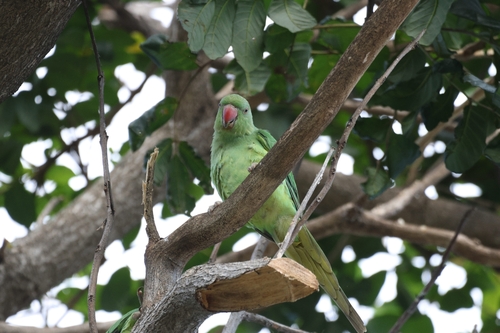
The Rose-ringed Parakeet is a colorful bird with bright green feathers and a lovely ring around its neck. These playful birds love to chatter and can even mimic sounds they hear!
Habitat: Urban areas
The Rose-ringed Parakeet has vibrant lime-green feathers and a very long, pointed tail. Males are distinct with a black chin stripe and a pretty rose-pink collar around their neck, setting them apart from females.
Category
BirdsRarity
Common
Danger
1/5 · Very low
Snaps
6
Parakeet chicks are born blind and featherless, needing lots of care from parents!
Their super long tail can make up almost half of their entire body length!
These adaptable birds are now found living wild in over 35 countries worldwide!
They often gather in groups of thousands to roost in trees as the sun goes down!
Rose-ringed Parakeet can perfectly mimic human words and other sounds because of their flexible vocal cords, helping them communicate with their flock.
Rose-ringed Parakeet has powerful wings that help them fly swiftly and perform incredible acrobatic dives through dense tree canopies.
Rose-ringed Parakeet can crack open tough seeds and nuts because of their strong, hooked red beak, accessing hidden tasty food.
These clever birds love to munch on a variety of fruits, seeds, nuts, and flower nectar.
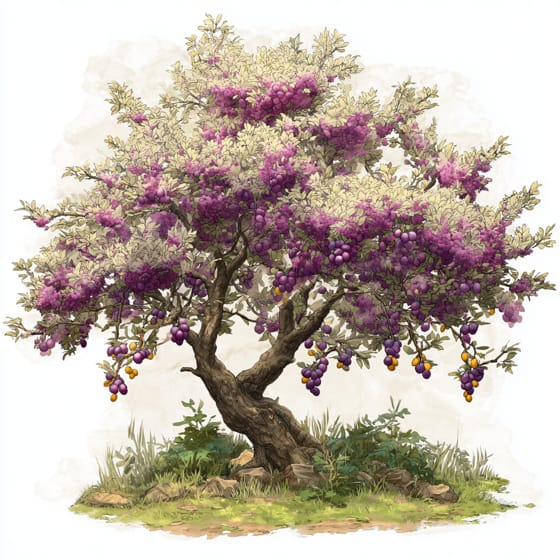
Prunus domestica
They feed on fruits, potentially damaging crops in some areas.
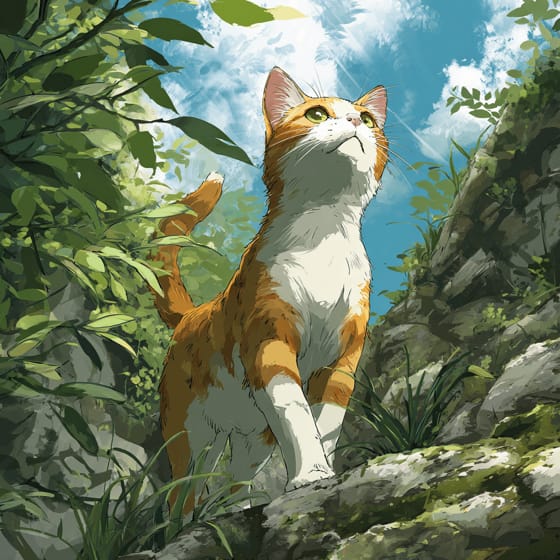
Felis catus
Cats are opportunistic predators of parakeets, especially fledglings.

Accipiter nisus
Sparrowhawks are natural aerial predators of adult parakeets.

Morus alba
They enjoy eating the sweet berries from mulberry trees.
Feathered describes animals, primarily birds, possessing a covering of feathers.
Social animals live in organized groups, cooperating for survival benefits such as foraging, defense, and raising offspring.
Colorful describes organisms or objects displaying a wide range of bright and distinct colors.
This trait characterizes organisms whose diet consists entirely or primarily of plant material.

This trait describes organisms that manipulate external objects to achieve a specific goal.

This trait characterizes organisms with an exceptionally long lifespan compared to others of their kind.

Diurnal animals are primarily active during daylight hours, typically resting or sleeping at night.

This habitat trait indicates species that can coexist with humans in urban and suburban environments, utilizing man-made structures and green spaces.
Danger
1/5 · Very low
If you see a parakeet, enjoy watching it but don't try to catch it. They are wild birds.
The easiest way to identify Rose-ringed Parakeet is to use the Snappit nature identifier app.
38-42 cm
42-48 cm
0.1-0.14 kg
15-30 years
60 km/h
These clever birds love to munch on a variety of fruits, seeds, nuts, and flower nectar.
Urban areas
Zoom in to split clusters and explore where this object has been snapped.
Jun 5, 2026
Liliuokalani Botanical GardenPhoto attribution
(c) Damien Wallace, some rights reserved (CC BY)
License: CC BY 4.0 ↗
Image may be shown cropped inside the card frame.

Hawaii, US
You might spot Brown Anole, Gold Dust Day Gecko, and Red-Crested Cardinal.
View guide →

Hawaii, US
You might spot Koster's Curse and White-Rumped Shama.
View guide →
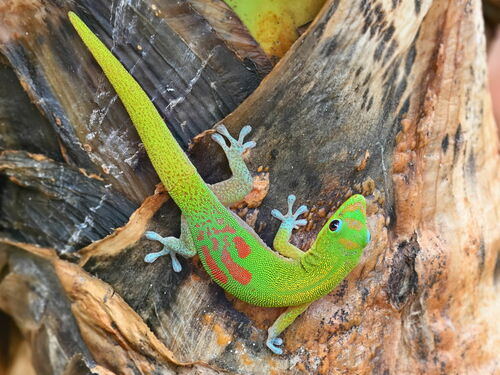
Hawaii, US
You might spot Gold Dust Day Gecko, Sea Turtle, and Brown Anole.
View guide →

Valencian Community, ES
You might spot African Lion, Giraffes, and African Elephant.
View guide →

Hawaii, US
You might spot Zebra Dove and Red-Crested Cardinal.
View guide →

Florida, US
You might spot Brown Anole, Brown Pelican, and Eastern Lubber Grasshopper.
View guide →
Take the discovery with you
Snap it with Snappit to identify it, learn what makes it special, and add the discovery to your collection.




.jpg&width=800)







