





Roseate Spoonbill
Platalea ajaja
The Roseate Spoonbill is a beautiful bird with bright pink feathers and a unique spoon-shaped bill. They love to wade in shallow waters to find food like fish and insects.
Habitat: Wetlands
The Roseate Spoonbill has striking bright pink plumage with white on its neck and head, and pale green legs. Its most unique feature is its large, gray, spatulate bill, shaped like a spoon.
Category
BirdsRarity
Common
Danger
1/5 · Very low
Snaps
14
Baby spoonbills are born with straight bills that only flatten as they grow!
Roseate Spoonbills are related to ibises, which have long, curved bills instead!
The spoonbill's unique bill is actually gray, not pink, even on the pinkest birds!
They often roost together in large groups in trees over water at night for safety.
Roseate Spoonbill can feel tiny movements in the water because its flat bill has sensitive nerve endings, helping it find hidden prey.
Roseate Spoonbill has long legs that allow it to wade in shallow waters, keeping its body dry while searching for food.
Roseate Spoonbill can feed in groups, sweeping their bills side-to-side together to stir up more food for everyone.
These pretty pink birds sweep their unique bills through shallow waters to catch small fish, shrimp, and insects.
Penaeus aztecus
A favorite food for spoonbills.

Gambusia holbrooki
Eats these small fish.
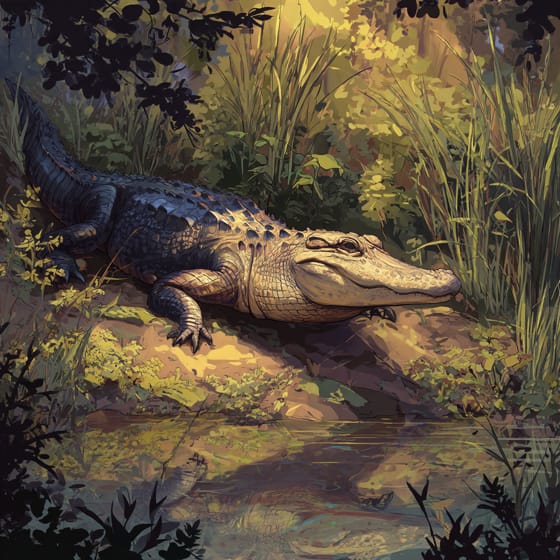
Alligator mississippiensis
Predator of eggs and chicks.

Egretta thula
Shares nesting sites and foraging areas.
Feathered describes animals, primarily birds, possessing a covering of feathers.
Social animals live in organized groups, cooperating for survival benefits such as foraging, defense, and raising offspring.
Colorful describes organisms or objects displaying a wide range of bright and distinct colors.
Filter feeders obtain nutrients by straining suspended food particles and small organisms from water.

Piscivorous organisms are animals that primarily subsist on a diet of fish.

This habitat trait identifies species found in wetlands, which are areas of land saturated with water, either permanently or seasonally, including marshes, swamps, and bogs.

Diurnal animals are primarily active during daylight hours, typically resting or sleeping at night.

Describes a species whose presence and role have a disproportionately large effect on its environment.

Migratory animals undertake seasonal movements from one region to another, typically in response to changes in climate or food availability.
Danger
1/5 · Very low
Always watch birds from a distance and be quiet so you don't scare them away.
The easiest way to identify Roseate Spoonbill is to use the Snappit nature identifier app.
71-86 cm
120-133 cm
1.2-1.8 kg
10-17 years
65 km/h
These pretty pink birds sweep their unique bills through shallow waters to catch small fish, shrimp, and insects.
Wetlands
Zoom in to split clusters and explore where this object has been snapped.

Georgia, US
You might spot Brown Anole, Anole, and Gulf Fritillary.
View guide →

South Carolina, US
You might spot American Alligator, Great Blue Heron, and Anhinga.
View guide →

Florida, US
You might spot Brown Anole, Great Egret, and Snowy Egret.
View guide →

Florida, US
You might spot Giraffes, Rhinoceroses, and Zebra.
View guide →

Florida, US
You might spot Baobab, African Elephant, and Giraffes.
View guide →

Florida, US
You might spot Sand Tiger Shark, Octopus, and North American River Otter.
View guide →
Take the discovery with you
Snap it with Snappit to identify it, learn what makes it special, and add the discovery to your collection.




.jpg&width=800)







