





rough cocklebur
Xanthium strumarium
The rough cocklebur is a plant with big, spiky seed pods. It grows in sunny places and can be found in fields and along roadsides. Its unique look makes it easy to spot!
Habitat: Fields and roadsides
The rough cocklebur is a sturdy plant with thick, reddish-green stems and broad, heart-shaped leaves that feel rough to the touch. Its most striking feature is the numerous oval-shaped burrs, covered in stiff, hooked spines, which mature from green to brown.
Category
PlantsRarity
Common
Danger
2/5 · Low
Snaps
2
It is one of the top causes of hay fever due to its abundant wind-blown pollen!
Its buried seeds can survive for over 10 years, just waiting for a chance to grow!
The cocklebur's amazing hooked burrs inspired the invention of super-sticky Velcro!
This plant is often one of the first to grow in disturbed soil, like a pioneer!
Rough cocklebur has tough, spiky burrs that cling to fur or clothes, helping its seeds travel far and wide to new growing spots.
Rough cocklebur can grow in poor soils and disturbed areas, quickly establishing itself where other plants struggle.
The rough cocklebur produces toxic compounds, especially in its young plants, to deter hungry animals from eating it.

Bos taurus
Young seedlings are highly toxic to grazing livestock.
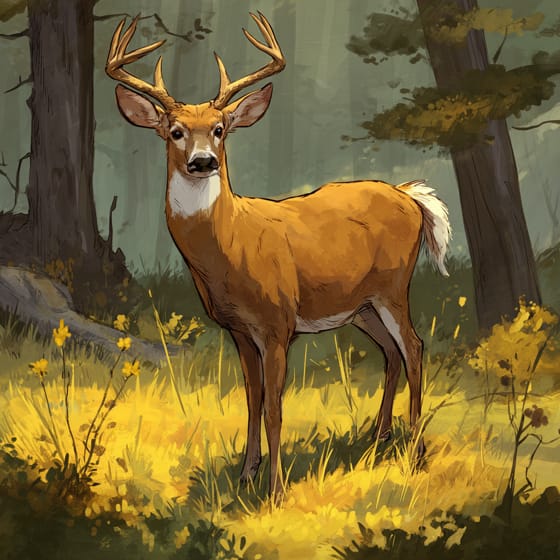
Odocoileus virginianus
Deer help spread seeds by carrying burrs on their fur.
Phytomyza xanthii
Its larvae feed by tunneling inside the leaves of the plant.
Flowering plants are any plants that produce flowers as part of their reproductive cycle.
Edible plants are those parts of a plant that are considered safe for human consumption.
Grassland habitats are terrestrial biomes dominated by grasses and herbaceous plants, supporting a variety of grazing animals.
Describes plants that are particularly attractive and beneficial to a wide range of pollinating organisms.

Rapid growing plants exhibit accelerated growth rates, quickly increasing in size and biomass within a short period.

Possessing sharp, pointed projections or spines on the body or surface.

Invasive species are non-native organisms that cause harm to the environment, economy, or human health.
No aliases listed yet.
Danger
2/5 · Low
Be careful not to touch the spiky seed pods, as they can be sharp.
The easiest way to identify rough cocklebur is to use the Snappit nature identifier app.
30-150 cm
30-90 cm
0.5-1 cm
Late summer to fall
No
High
Annual
Zoom in to split clusters and explore where this object has been snapped.

Nebraska, US
You might spot Lark Sparrow, Rock Wren, and Scarlet Globemallow.
View guide →

Illinois, US
You might spot Common Milkweed, Great Blue Heron, and Canada Goose.
View guide →

California, US
You might spot Sonoma Sage, White Globe Lily, and Mute Swan.
View guide →
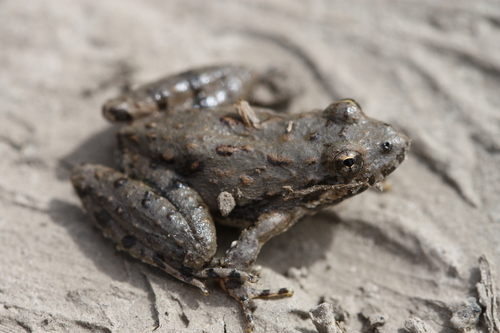
Louisiana, US
You might spot Blanchard's Cricket Frog and Indian Heliotrope.
View guide →

Illinois, US
You might spot Canada Goose, Ring-Billed Gull, and Red-Winged Blackbird.
View guide →
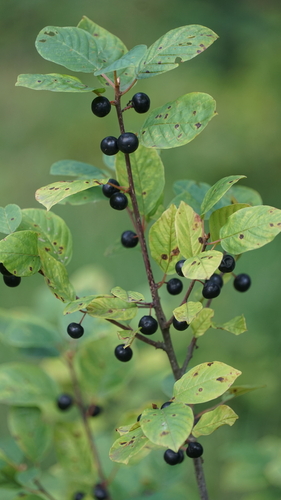
Michigan, US
You might spot Alder Buckthorn, Bulblet Fern, and Western Poison Ivy.
View guide →
Take the discovery with you
Snap it with Snappit to identify it, learn what makes it special, and add the discovery to your collection.








.jpg&width=800)


_001.jpg&width=800)



