





Salt Marsh Moth
Estigmene acrea
The Salt Marsh Moth is a beautiful insect with soft, fuzzy wings. It loves to fly around in warm weather and can often be found near salt marshes, where it lays its eggs.
Habitat: Coastal areas
The Salt Marsh Moth has fuzzy, white forewings often spotted with black, and bright orange-yellow hindwings that also feature black spots. Its body is yellow or orange with black markings, making it stand out from many plain white moths.
Category
InsectsRarity
Common
Danger
1/5 · Very low
Snaps
12
Adult moths don't eat at all; they live off energy stored as caterpillars!
Caterpillars grow by shedding their skin many times, like changing outfits!
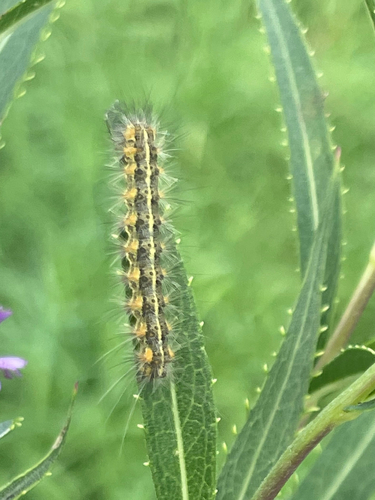
Its caterpillar is called a 'Woolly Bear' and can survive cold by freezing!
Some caterpillars can munch through hundreds of leaves in their lifetime!
Salt Marsh Moth caterpillars are covered in stiff hairs that help protect them from predators who might try to eat them.
Salt Marsh Moth caterpillars can eat poisonous plants and store toxins, making them unappetizing to birds and other predators.
Adult Salt Marsh Moths have bright hindwings that they flash to startle predators, giving them a chance to escape quickly.
Caterpillars are plant-eaters, munching on many kinds of leaves, while adult moths do not eat.
Age differences: Caterpillars eat many plants, but adult moths do not feed, relying on stored energy.
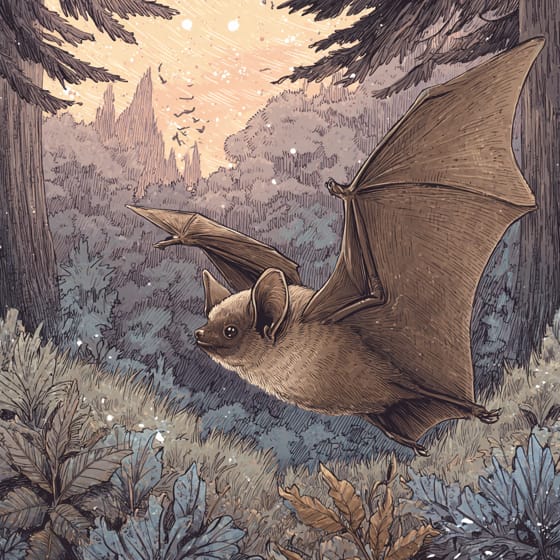
Myotis lucifugus
Bats hunt adult moths at night using echolocation.
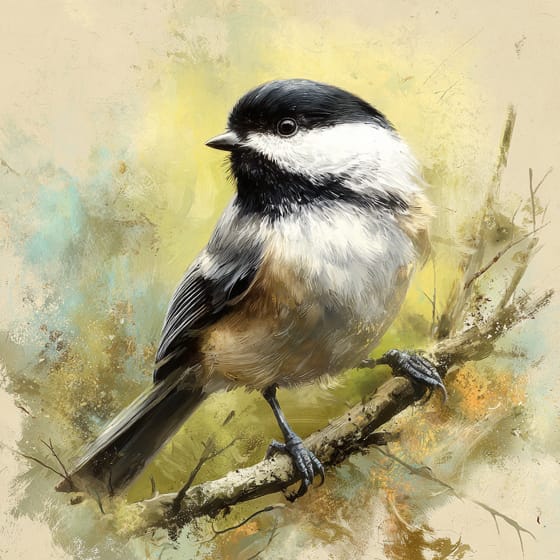
Poecile atricapillus
Birds often snatch caterpillars and adult moths for a meal.

Taraxacum officinale
Caterpillars munch on leaves of dandelions and other common weeds.
Exorista larvarum
Tachinid flies lay eggs on caterpillars, which are then eaten by the fly larvae.
Furry describes animals possessing a dense covering of soft hair or fur.
Solitary animals live alone for most of their lives, only interacting with others for mating or parental care.
This trait characterizes organisms whose diet consists entirely or primarily of plant material.
Coastal habitats are dynamic environments located along the interface between land and sea, influenced by tides, waves, and saltwater.

Nocturnal animals are primarily active during the nighttime hours, typically resting or sleeping during the day.

Describes organisms that transfer pollen, enabling the fertilization and reproduction of plants.
No aliases listed yet.
Danger
1/5 · Very low
Moths are generally safe, but it's best to look and not touch them.
The easiest way to identify Salt Marsh Moth is to use the Snappit nature identifier app.
40-60 mm
15-25 mm
5-10 days
15 km/h
Caterpillars are plant-eaters, munching on many kinds of leaves, while adult moths do not eat.
Coastal areas
Foraging
Zoom in to split clusters and explore where this object has been snapped.
Aug 19, 2025
High Trestle TrailPhoto attribution
no rights reserved
License: CC0 1.0 ↗
Image may be shown cropped inside the card frame.

California, US
You might spot Largemouth Bass and Birdcage Evening Primrose.
View guide →

Illinois, US
You might spot Viceroy, Common Wood-Nymph, and Acadian Hairstreak.
View guide →

Iowa, US
You might spot Common Milkweed, Amur Honeysuckle, and Canada Anemone.
View guide →

Illinois, US
You might spot Cliff Swallow, Baldcypress, and Indian Heliotrope.
View guide →
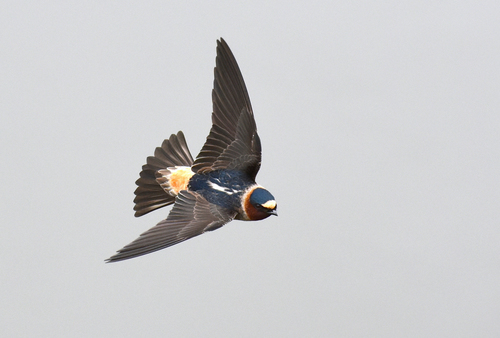
Illinois, US
You might spot Cliff Swallow, Baldcypress, and Indian Heliotrope.
View guide →

Indiana, US
You might spot Duck, Asian Lady Beetle, and Eastern Cottontail.
View guide →
Take the discovery with you
Snap it with Snappit to identify it, learn what makes it special, and add the discovery to your collection.







.jpg&width=800)




