
American Bison
Experience Nebraska's wild side at the Lee G.
Experience Nebraska's wild side at the Lee G. Simmons Wildlife Safari Park, a vast 440-acre drive-through adventure affiliated with Omaha's Henry Doorly Zoo. Consistently ranked among the best safari parks in the nation, it provides a unique opportunity to witness native North American animals roaming freely across prairies, wetlands, and wooded areas. The park aims to offer a glimpse into what Nebraska looked like centuries ago when pioneers crossed the Great Plains, featuring diverse habitats that make for a truly engaging and educational visit.
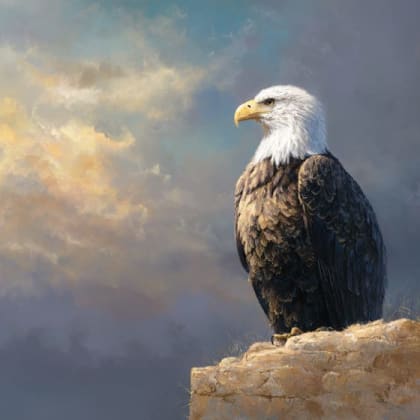
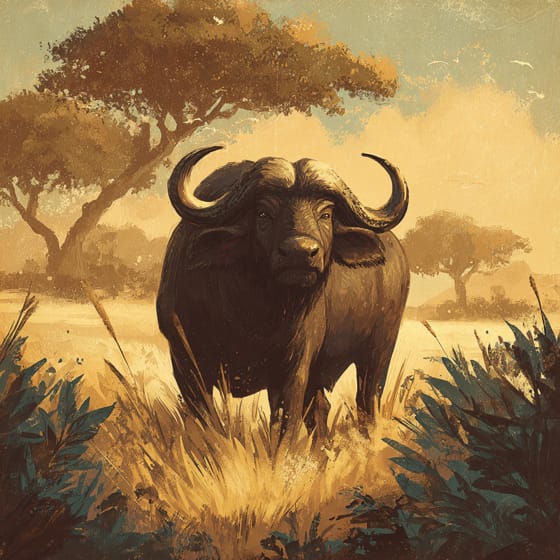
The park's four-mile driving loop brings visitors face-to-face with magnificent creatures like herds of American Bison, graceful Elk, and agile White-tailed Deer. Beyond the vehicle, visitors can explore walking trails leading to captivating exhibits such as the Wolf Canyon, where Grey Wolves and American Black Bears can be observed, and the impressive Eagle Aviary, home to Bald Eagles. Smaller yet equally fascinating inhabitants like Prairie Dogs and various waterfowl, including Sandhill Cranes and American White Pelicans, also populate the park's diverse landscapes.
A visit to Lee G. Simmons Wildlife Safari Park is memorable for its authentic feel and the intimate connection it fosters with nature. It’s an ideal destination for those seeking adventure, education, and stunning photographic opportunities, allowing guests to witness wildlife in spacious, naturalistic settings. The blend of a self-guided driving tour with accessible walking trails, coupled with seasonal exhibits like the Jurassic Adventure, ensures an engaging experience for all ages. Unlock an interactive field guide for this spot: get the Snappit app to identify nature on the go.
The Lee G. Simmons Wildlife Safari Park opened its gates to the public in June 1998, though its origins trace back to the mid-1990s. Initially conceived as a dedicated conservation and breeding space, separate from Omaha's Henry Doorly Zoo, it was not originally intended for public access. The park's creation was spearheaded by a call between Bill Grewcock, a long-time benefactor, and Dr. Lee G. Simmons, then director of the Omaha Zoo. Discussions eventually led to the realization that the 200-acre plot of farmland in Ashland, Nebraska, could serve as an enjoyable drive-through facility showcasing native North American animals not typically suited for a traditional zoo environment. Donors played a crucial role in funding the extensive fencing and constructing the roads using an innovative method with compacted mud rock, allowing the park to expand to its current 440 acres. Today, the park continues its dual mission of public education and vital conservation efforts, including world-class breeding facilities for cheetahs and tigers.
Enjoy the self-guided driving safari, pull over at designated areas to view animals more closely, and stretch your legs on hiking trails. Visit the visitor center, which includes concessions and a gift shop. Look for animal experiences and educational talks offered throughout the day.
The park operates seasonally, generally from early spring (late March/early April) through late autumn (October). The seasonal Jurassic Adventure exhibit runs from approximately May through October. Weather can influence animal activity; animals might be more active in cooler temperatures.
The park is generally accessible. While the drive-through accommodates any size vehicle, some parts of the hiking trails, particularly in areas like Wolf Canyon, may have rough terrain unsuitable for wheelchairs or strollers.
The main attraction is the four-mile drive-through safari showcasing vast habitats like Bison Plains, Elk Meadows, Deer Woods, Pelican Wetlands, and Crane Meadow. Don't miss the walking trails to the Wolf Canyon for Grey Wolves and American Black Bears, the Eagle Aviary for Bald Eagles, and the Prairie Dog Town near the visitor center. Seasonal attractions such as the Jurassic Adventure, featuring animatronic dinosaurs, are also a major draw.
Each card links to a full Explore page with photos, traits, and fun facts.
Start with the big picture, then zoom in to explore individual wildlife observations around this place.
Arrive early or late
Animals tend to be most active during the cooler parts of the day, such as early mornings or late afternoons. Visiting on weekday mornings can also help avoid larger crowds.
Drive slowly and be observant
The speed limit in the park is often low (around 7 mph) to allow for optimal viewing. Keep your eyes peeled, as animals can be well-camouflaged in their large habitats.
Bring essentials
Pack water, snacks, sunscreen, and bug spray, especially if you plan to utilize the hiking trails. A good camera or smartphone is a must for capturing memorable wildlife photos.
Explore on foot
Don't limit your visit to just driving. Park your car at designated areas to hike trails like the one to Wolf Canyon and the Eagle Aviary for closer, unique viewing opportunities.
Check for seasonal attractions
The park frequently hosts special seasonal exhibits like the Jurassic Adventure or Ice Age Adventure, which can add an extra layer of excitement to your visit. Check their website before you go.
Visit Prairie Dog Town first
Located near the visitor center, Prairie Dog Town is a lively spot where you can often see these charismatic rodents before even starting your drive-through adventure.

Michigan, US
You might spot African Lion, Komodo Dragon, and Brown Bear.
View guide →
.jpg)
Municipal District of Cobh, IE
You might spot Ring-Tailed Lemur, Giraffes, and Cheetahs.
View guide →

Nouvelle-Aquitaine, FR
You might spot Greater Flamingo, Giraffes, and Red Panda.
View guide →

Texas, US
You might spot Giraffes, African Lion, and Eastern Black Rhinoceros.
View guide →
Take the discovery with you
Identify the wildlife you spot, learn as you go, and keep a collection of the adventure.