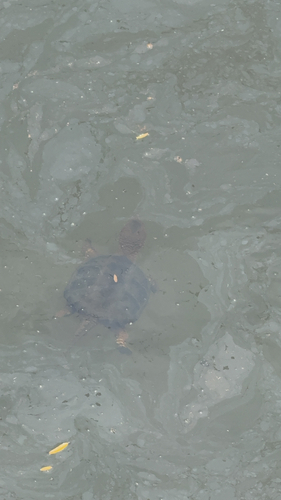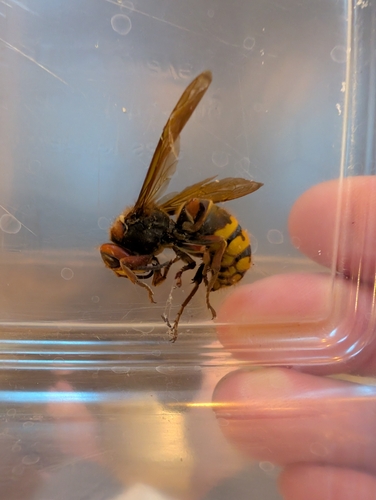




Duck

The Colonial Annapolis Historic District offers a captivating journey into America's past.
The Colonial Annapolis Historic District offers a captivating journey into America's past. This designated National Historic Landmark District, nestled on the Chesapeake Bay, is a "Museum Without Walls," preserving the essence of 18th-century America with its unique Baroque street plan and over 120 original colonial buildings. Visitors can wander through cobblestone streets, marvel at Georgian architecture, and immerse themselves in the stories of a city that once served as the nation's capital.
Key highlights include the iconic Maryland State House, the oldest state capitol still in continuous legislative use, where George Washington famously resigned his commission. Explore the opulent William Paca House & Garden, a beautifully restored Georgian mansion and its two-acre pleasure garden, or admire the architectural grandeur of the Hammond-Harwood House. Stroll down Pinkney Street to capture charming historic homes or experience the lively waterfront scene at City Dock, also known as Ego Alley, teeming with boats and vibrant activity.
Visiting Colonial Annapolis is an unforgettable experience, combining rich historical significance with modern charm. From significant moments in American history to picturesque alleyways and bustling Main Street shops, the district invites exploration and discovery. Whether you're a history buff, an architecture enthusiast, or simply seeking a charming getaway, Annapolis provides a unique blend of cultural heritage and scenic beauty that resonates long after your visit. Be ready to snap and learn! Get the Snappit app to identify any nature species you find here.
The origins of the Colonial Annapolis Historic District date back to 1695 when Governor Francis Nicholson designed the town with a distinctive modified Baroque plan, setting it apart from the typical American grid pattern. This ambitious layout featured two prominent circular rotaries, one for the State House and another for St. Anne's Church, with radial streets extending outwards. Annapolis became the capital of Maryland, succeeding St. Mary's City. Between 1783 and 1784, Annapolis briefly held the esteemed title of the United States' capital. During this pivotal period, the Continental Congress convened in the Maryland State House to ratify the Treaty of Paris, officially ending the Revolutionary War, and it was here that General George Washington resigned his commission as Commander-in-Chief of the Continental Army. Recognising its immense historical and architectural value, the Colonial Annapolis Historic District was designated a National Historic Landmark District in 1965, a testament to its remarkably preserved 18th-century structures.
Take a guided walking tour, often led by colonial-attired guides, to gain in-depth historical context. Visit museums like the Museum of Historic Annapolis and Hogshead Trades Museum. Shop and dine along Main Street and West Street. Enjoy harbor cruises to see the city from the water.
Spring: Ideal for outdoor activities and festivals.
Summer: Popular for sailing events and waterfront activities, but prepare for warmth and crowds.
Fall: Enjoy crisp air and beautiful autumn colors, often with fewer tourists.
Winter: Experience festive decorations, holiday events like Midnight Madness shopping, and the Lights on the Bay.
The Museum of Historic Annapolis is fully accessible with an elevator and accessible restrooms. The William Paca House & Garden has a ramp for its terrace level and ground floor, with accessible restrooms, though upper floors of the house require stairs. Pathways in the garden may be loose pea gravel. Historic Annapolis provides KultureCity Sensory Bags for guests with sensory needs. Public parking garages offer accessible spaces.
Explore this significant building where American history was made.
Tour the restored Georgian mansion and its beautiful two-acre colonial garden.
Admire this masterpiece of Georgian architecture.
Experience the bustling waterfront, watch boats, and enjoy harbor views.
Each card links to a full Explore page with photos, traits, and fun facts.
Start with the big picture, then zoom in to explore individual wildlife observations around this place.
Wear comfortable walking shoes
** Many streets are cobblestone, and you'll be doing a lot of walking.
Consider a guided tour
A walking tour with a knowledgeable guide (some in colonial attire) can provide invaluable historical insights.
Bring a valid ID
If you plan to visit the U.S. Naval Academy, a U.S.-issued Real ID or passport is required for entry.
Utilize parking garages
On-street parking is limited and often metered; parking garages are a better option for longer visits.
Visit early
Arriving in the morning can help you avoid larger crowds, especially during peak season, and enjoy cooler temperatures.
Explore Main Street and City Dock
These areas offer unique shops, diverse dining options, and excellent opportunities for waterfront views and people-watching.
Jun 6, 2026
Photo attribution
(c) zaneotic, some rights reserved (CC BY)
License: CC BY 4.0 ↗
Image may be shown cropped inside the card frame.
May 31, 2026
Photo attribution
(c) Lee Hoggard, some rights reserved (CC BY)
License: CC BY 4.0 ↗
Image may be shown cropped inside the card frame.
Jun 6, 2026
Jun 6, 2026
Jun 4, 2026

Maryland, US
You might spot White-Tailed Deer and Eastern Gray Squirrel.
View guide →

District of Columbia, US
You might spot Eastern Gray Squirrel, Duck, and House Sparrow.
View guide →

Illinois, US
You might spot American Robin, Canada Goose, and House Sparrow.
View guide →

Virginia, US
You might spot Spotted Lanternfly and Northern Cardinal.
View guide →
Take the discovery with you
Identify the wildlife you spot, learn as you go, and keep a collection of the adventure.