





star chickweed
Stellaria pubera
Star chickweed is a lovely little plant with star-shaped white flowers. It grows close to the ground and can often be found in gardens and forests, making it a cheerful sight in springtime.
Habitat: Forests
The star chickweed has delicate bright green leaves and stems covered in fine hairs. Its small, white, star-shaped flowers appear in clusters, each with ten deeply divided petals, making them look like five petals.
Category
PlantsRarity
Common
Danger
1/5 · Very low
Snaps
5
Ancient people used chickweed in soups and salads as a healthy green!
Did you know its leaves can stay green even under snow?
Its tiny seeds can stay alive in the soil for many, many years, waiting to grow!
Look closely: each flower has five petals, but they're so deeply split they look like ten!
Star chickweed can quickly form dense mats, helping it cover ground and outcompete other plants for sunlight.
Star chickweed has flowers that open very early in spring, giving it a head start to attract the first active pollinators.
Star chickweed can burst its seed pods, flinging tiny seeds away to spread its family far and wide!
Star chickweed has tender leaves that are a tasty snack for many animals, making it a valuable food source.
Apis mellifera
gathers nectar and pollen from its blooms.
Syrphus ribesii
visits flowers, helping them make seeds.

Odocoileus virginianus
browses on its tender leaves and stems.
.JPG&width=800)
Sylvilagus floridanus
relishes its soft leaves and stems.
Flowering plants are any plants that produce flowers as part of their reproductive cycle.
Shade tolerant plants are adapted to grow and thrive in areas with low light levels, requiring less direct sunlight.
Spring blooming plants produce their flowers during the spring season, often signifying the end of winter and the start of new growth.
Edible plants are those parts of a plant that are considered safe for human consumption.

Describes plants that are particularly attractive and beneficial to a wide range of pollinating organisms.

Rapid growing plants exhibit accelerated growth rates, quickly increasing in size and biomass within a short period.

Forest habitats are terrestrial environments dominated by dense tree cover, supporting a high diversity of plant and animal life.
No aliases listed yet.
Danger
1/5 · Very low
Always look at plants from a distance and ask an adult before touching or picking them.
The easiest way to identify star chickweed is to use the Snappit nature identifier app.
10-30 cm
30-60 cm
0.5-1 cm
Spring to early summer
Yes
None
Perennial
Zoom in to split clusters and explore where this object has been snapped.

West Virginia, US
You might spot Great Rhododendron and Mountain Laurel.
View guide →
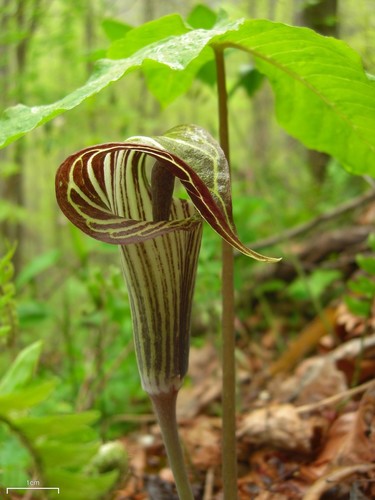
Kentucky, US
You might spot Jack-In-The-Pulpit and Prairie Trillium.
View guide →

West Virginia, US
You might spot Virginia Bluebells, Bloodroot, and Maidenhair Spleenwort.
View guide →

Indiana, US
You might spot Panthera Pardus Orientalis and Reticulated Giraffe.
View guide →

North Carolina, US
You might spot Galax, Mountain Laurel, and Downy Rattlesnake Plantain.
View guide →

Kentucky, US
You might spot Large White Trillium and Sharp-Lobed Hepatica.
View guide →
Take the discovery with you
Snap it with Snappit to identify it, learn what makes it special, and add the discovery to your collection.







.jpg&width=800)



_001.jpg&width=800)


