.jpg&width=800)





Tropical sage
Salvia coccinea
Tropical sage is a bright and colorful flower that loves warm places. It attracts butterflies and hummingbirds, making gardens look lively and fun!
Habitat: Urban areas
The Tropical sage has slender stems adorned with vibrant, tubular red flowers, though sometimes pink or white varieties exist. Its distinctive flower spikes stand tall, making it an eye-catching plant in any setting.
Category
PlantsRarity
Common
Danger
1/5 · Very low
Snaps
6
It can grow super fast, sometimes blooming just weeks after sprouting from seed!
Its tiny seeds can scatter far and wide, starting new plants in unexpected places!
Some people call it Scarlet Sage because of its fiery, brilliant red color!
The name 'Salvia' comes from Latin, meaning 'to heal,' hinting at its ancient uses!
Tropical sage has bright, tubular flowers that perfectly fit hummingbirds' beaks for easy nectar access.
Tropical sage can withstand dry spells, keeping its vibrant blooms alive even when water is scarce.

Archilochus colubris
sips nectar while moving pollen.
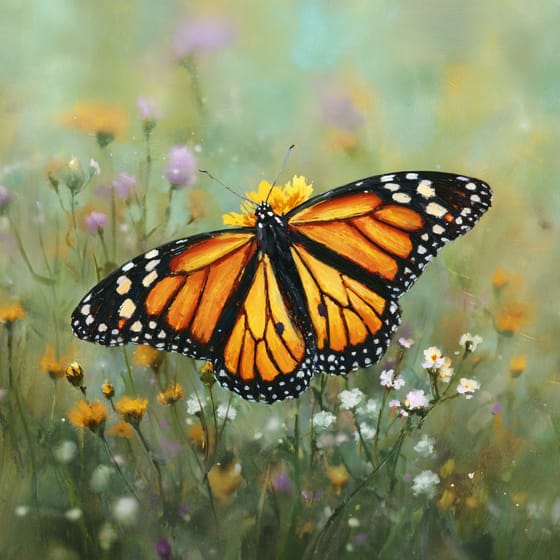
Danaus plexippus
visits flowers for sweet nectar.
Apis mellifera
collects pollen and nectar.

Odocoileus virginianus
may browse on its leaves and stems.
Aromatic plants produce and emit fragrant volatile organic compounds, often for defense or to attract pollinators.
Flowering plants are any plants that produce flowers as part of their reproductive cycle.
A shrub is a woody plant smaller than a tree, typically with multiple stems branching from or near the ground.
Summer blooming plants produce their flowers during the summer season, often providing vibrant color when many other plants have finished.

Fragrant flowers emit a pleasant aroma, often to attract pollinators or for defense.

Colorful describes organisms or objects displaying a wide range of bright and distinct colors.

Describes plants that are particularly attractive and beneficial to a wide range of pollinating organisms.

This habitat trait indicates species that can coexist with humans in urban and suburban environments, utilizing man-made structures and green spaces.
No aliases listed yet.
Danger
1/5 · Very low
Always check with an adult before touching or picking flowers.
The easiest way to identify Tropical sage is to use the Snappit nature identifier app.
60-120 cm
30-60 cm
2-3 cm
Summer to fall
No
None
Perennial
Zoom in to split clusters and explore where this object has been snapped.

Louisiana, US
You might spot Red-Shouldered Hawk, Green Treefrog, and Brown Anole.
View guide →

Texas, US
You might spot Brown Anole, Japanese Climbing Fern, and Chinese Tallow.
View guide →
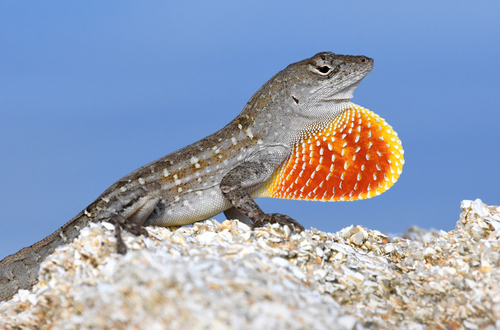
Texas, US
You might spot Brown Anole, Eastern Gray Squirrel, and Bee.
View guide →
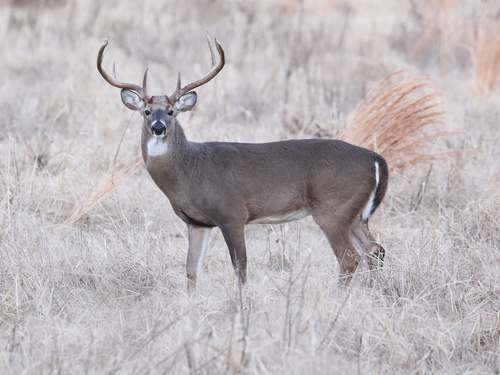
Florida, US
You might spot White-Tailed Deer, American Alligator, and Garberia.
View guide →

Texas, US
You might spot Monarch, Queen, and Fiery Skipper.
View guide →
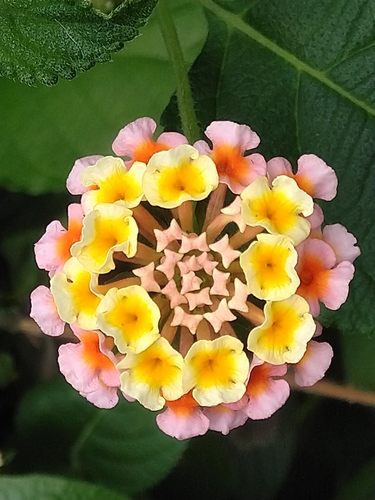
Florida, US
You might spot Lantanas, Water Pennyworts, and Common Purslane.
View guide →
Take the discovery with you
Snap it with Snappit to identify it, learn what makes it special, and add the discovery to your collection.








.jpg&width=800)


_001.jpg&width=800)




