





Uinta Chipmunk
neotamias umbrinus
The Uinta Chipmunk is a small, energetic creature that loves to scurry around in the forests of the western United States. With its cute striped back and tiny paws, it gathers nuts and seeds to store for winter!
Habitat: Forests and mountainous regions in the western United States.
The Uinta Chipmunk has a greyish-brown body with five prominent dark stripes and two lighter stripes down its back, contrasting with its paler belly. It also features three distinct dark and two white stripes on its face, making it easily distinguishable from other small rodents.
Category
MammalsRarity
Common
Danger
0/5 · No known danger
Snaps
11
Their long bushy tails help them balance perfectly while racing up steep trees.
These little chipmunks can live high in the mountains, even above the treeline!
They communicate with sharp alarm calls to warn others of danger from above.
Uinta Chipmunks can run at speeds up to 25 kilometers per hour when startled!
Uinta Chipmunk has expandable cheek pouches that help them carry lots of seeds back to their burrow for later meals.
Uinta Chipmunk can quickly scramble up rocks and trees, helping them escape predators and find high-up food sources.
Uinta Chipmunk can hibernate during cold winters, saving energy by lowering its body temperature and heart rate.
Uinta Chipmunk possesses an incredible memory that helps it locate hundreds of buried food caches months later.
Uinta Chipmunks enjoy a varied diet of seeds, nuts, fruits, and small insects.
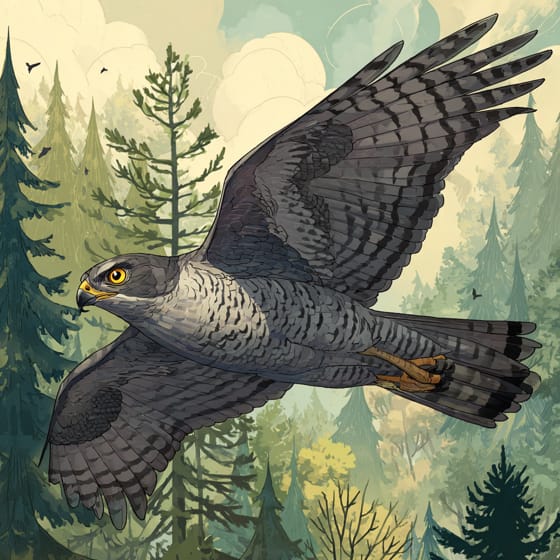
Accipiter gentilis
Preys on small mammals in forests.
Mustela erminea
Hunts small rodents and birds.
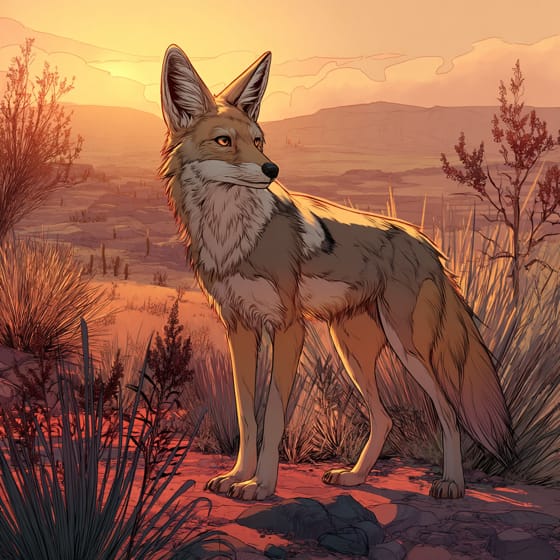
Canis latrans
Hunts small prey in mountain habitats.
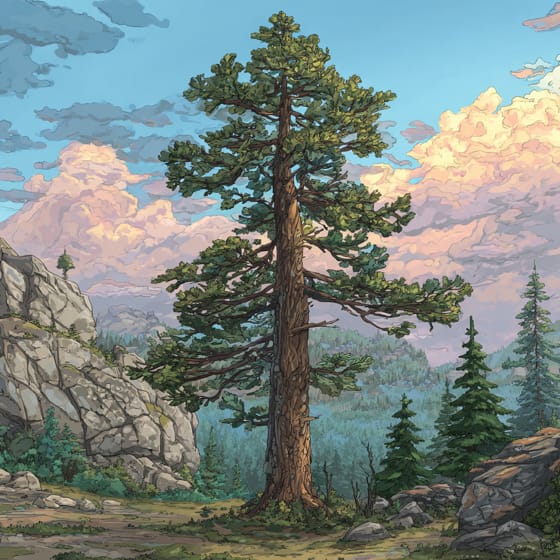
Pinus contorta
Provides nutritious seeds for consumption.

Juniperus communis
Provides nutritious berries for consumption.
Furry describes animals possessing a dense covering of soft hair or fur.
Solitary animals live alone for most of their lives, only interacting with others for mating or parental care.
This trait characterizes organisms whose diet consists entirely or primarily of plant material.
Forest habitats are terrestrial environments dominated by dense tree cover, supporting a high diversity of plant and animal life.

Diurnal animals are primarily active during daylight hours, typically resting or sleeping at night.
Danger
0/5 · No known danger
No special safety notes yet.
The easiest way to identify Uinta Chipmunk is to use the Snappit nature identifier app.
18-24 cm
0.05-0.08 kg
2-5 years
25 km/h
Uinta Chipmunks enjoy a varied diet of seeds, nuts, fruits, and small insects.
Forests and mountainous regions in the western United States.
Foraging
Zoom in to split clusters and explore where this object has been snapped.

Utah, US
You might spot Common Golden-Mantled Ground Squirrel and Steller's Jay.
View guide →

Utah, US
You might spot Common Golden-Mantled Ground Squirrel and Steller's Jay.
View guide →

Arizona, US
You might spot Gambel Oak and Greater Short-Horned Lizard.
View guide →

Utah, US
You might spot Common Golden-Mantled Ground Squirrel and Steller's Jay.
View guide →

Utah, US
You might spot Rock Squirrel, Mule Deer, and Plateau Fence Lizard.
View guide →
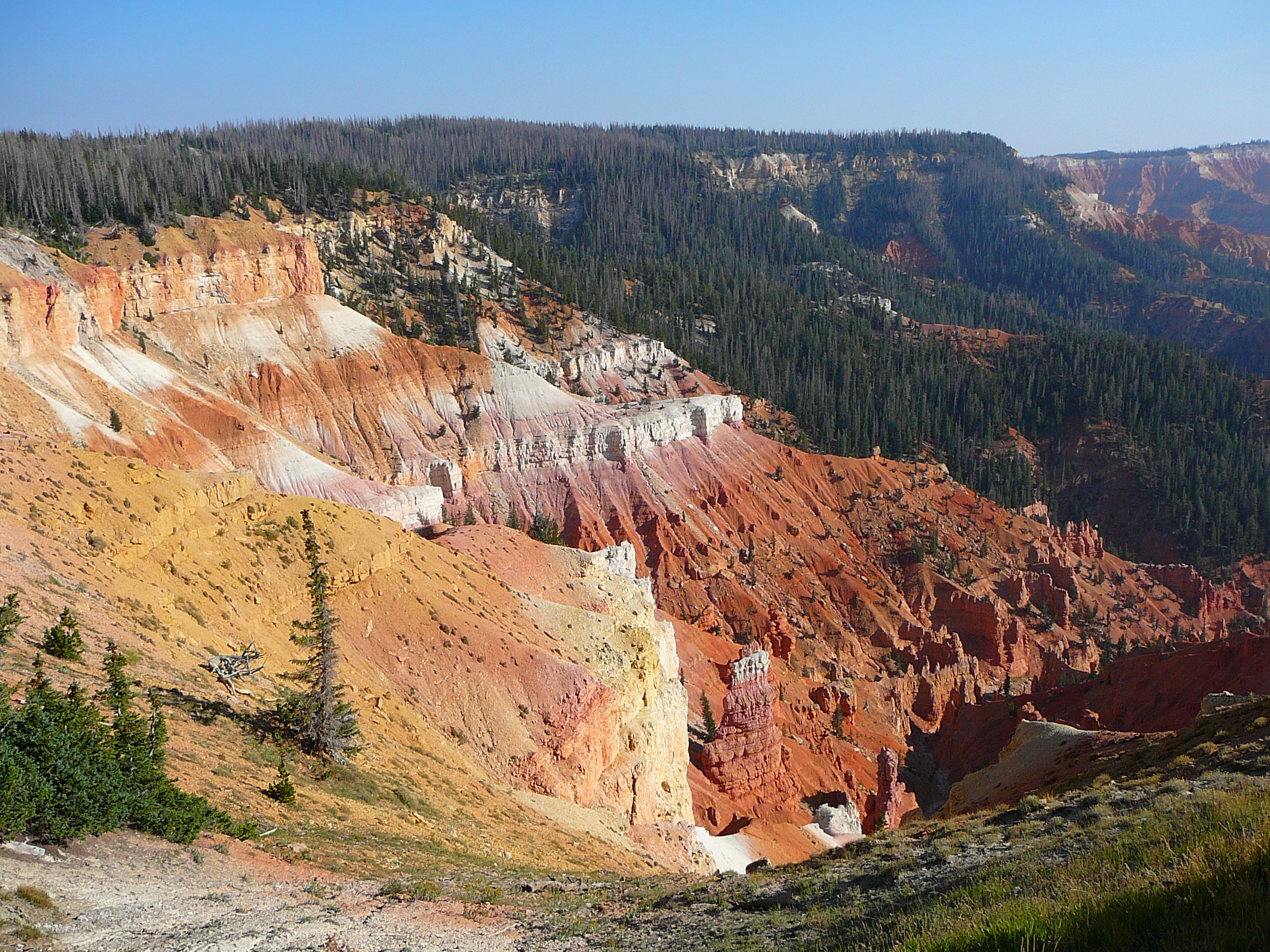
Utah, US
You might spot Great Basin Bristlecone Pine and Blue Columbine.
View guide →
Take the discovery with you
Snap it with Snappit to identify it, learn what makes it special, and add the discovery to your collection.




.jpg&width=800)

.JPG&width=800)


.jpg&width=800)
