




Virginia pine
Pinus virginiana
The Virginia pine is a tall tree with long, soft needles that grow in pairs. It has a rough, scaly bark and produces small, woody cones. This tree is great for providing homes for birds and other animals!
Habitat: Forests
The Virginia pine is a medium-sized evergreen conifer with short, twisted, dark green needles growing in bundles of two. Its bark is reddish-brown and scaly, often forming small, irregular plates. It often has a unique, somewhat scrubby or open crown shape.
Category
PlantsRarity
Common
Danger
1/5 · Very low
Snaps
2
Its small cones often stay on the tree for many years, like tiny decorations!
Its wood makes a loud crackling fire, a favorite for cozy winter campfires!
Squirrels and birds love to munch on the seeds hidden inside its prickly cones.
The resin, or sap, of the Virginia pine can act like a sticky natural bandage!
Virginia pine can grow where other trees can't by thriving in poor, dry soil that most plants avoid.
Virginia pine has tough, flexible branches that help it bend instead of break during strong winds and storms.
Virginia pine has a strong root system that helps it anchor firmly and find water even on steep slopes.
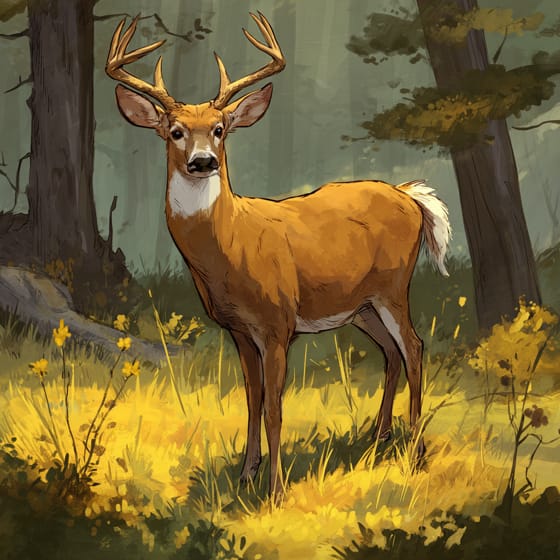
Odocoileus virginianus
browse young saplings
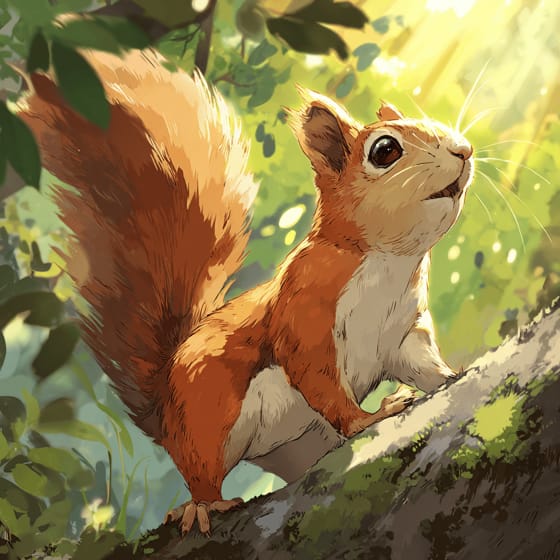
Sciurus carolinensis
consumes seeds from cones
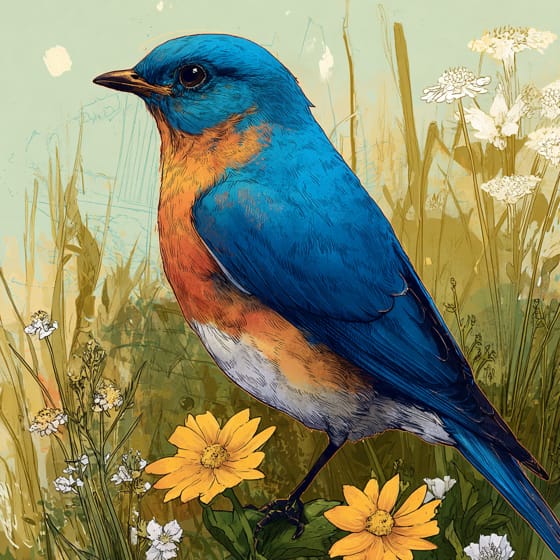
Sialia sialis
builds nests in its branches
Suillus americanus
forms beneficial root connection
Broadleaf trees are angiosperms characterized by flat, wide leaves that are typically shed annually in temperate climates.
Coniferous plants are typically evergreen, bearing needles or scales and reproductive cones.
Evergreen plants retain their foliage throughout the year, never shedding all their leaves at once.
Describes plants that are particularly attractive and beneficial to a wide range of pollinating organisms.
Timber refers to wood that has been prepared for use in building and carpentry.

Forest habitats are terrestrial environments dominated by dense tree cover, supporting a high diversity of plant and animal life.

This trait characterizes organisms with an exceptionally long lifespan compared to others of their kind.

Describes a species whose presence and role have a disproportionately large effect on its environment.
No aliases listed yet.
Danger
1/5 · Very low
Stay away from the sharp cones and branches when exploring around the tree.
The easiest way to identify Virginia pine is to use the Snappit nature identifier app.
600-1800 cm
300-600 cm
Spring
No
None
Perennial
Wind
Zoom in to split clusters and explore where this object has been snapped.
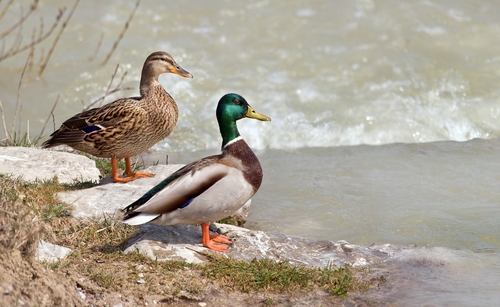
Maryland, US
You might spot Duck, American Toad, and Eastern Bluebird.
View guide →

Virginia, US
You might spot Duck, Eastern Gray Squirrel, and Painted Turtle.
View guide →

West Virginia, US
You might spot Great Rhododendron, Mountain Laurel, and Ghost Pipe.
View guide →
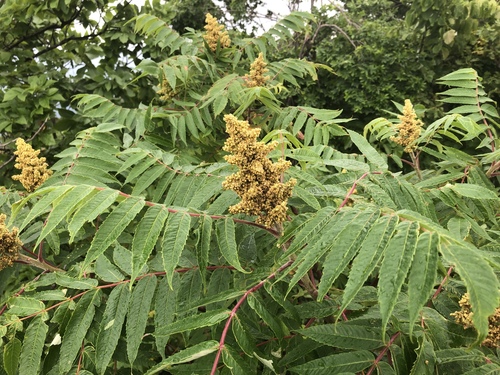
Pennsylvania, US
You might spot Staghorn Sumac, Spotted Lanternfly, and Butterfly Bush.
View guide →

Maryland, US
You might spot Large Field Chickweed, Lyreleaf Rockcress, and Azure Bluet.
View guide →
Take the discovery with you
Snap it with Snappit to identify it, learn what makes it special, and add the discovery to your collection.








.jpg&width=800)


_001.jpg&width=800)


