





Western Tiger Beetle
Cicindela oregona
The Western Tiger Beetle is a shiny, fast bug with beautiful green and blue colors. They love to run around in sunny places and are great at catching their food!
Habitat: Sandy areas
The Western Tiger Beetle is a slender insect with a metallic body that gleams green, bronze, or coppery. It often has distinctive cream or yellow markings on its wing covers. Its large, bulging eyes and prominent, sickle-shaped mandibles set it apart.
Category
InsectsRarity
Common
Danger
1/5 · Very low
Snaps
1
Its larvae are fierce ambush predators, digging burrows to surprise passing prey.
They are part of a group with over 2,600 species, found nearly worldwide!
This beetle sometimes pauses while running because its brain can't keep up with its leg speed!
Tiger beetles are considered bioindicators, meaning their presence can show a habitat's health.
Western Tiger Beetle can run incredibly fast, reaching up to 9 km/h, because of powerful legs that help them chase down quick prey.
Western Tiger Beetle has large, bulging compound eyes that help them spot tiny moving insects from a distance.
Western Tiger Beetle has strong, sharp mandibles that help them quickly capture and crush their insect prey.
These speedy hunters are insectivores, mostly eating small bugs they catch with their powerful jaws.
Age differences: Larvae are ambush predators from burrows; adults are free-ranging pursuit hunters.

Drosophila melanogaster
Adult beetles actively pursue.
Formica fusca
Common prey item for adults.
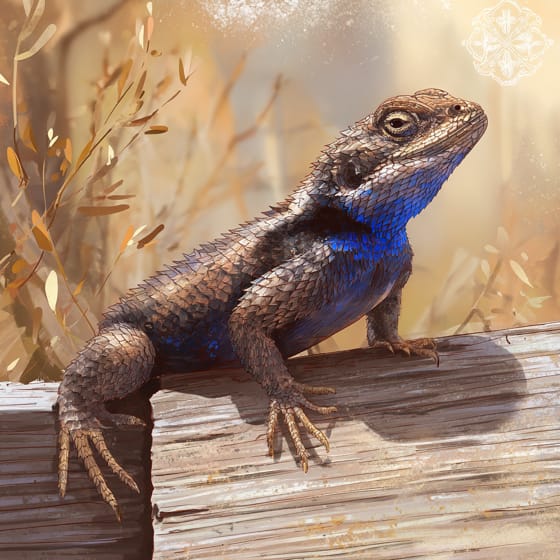
Sceloporus occidentalis
A common predator in its range.

Turdus migratorius
Birds can snatch these beetles.
Colorful describes organisms or objects displaying a wide range of bright and distinct colors.
This trait identifies organisms whose diet primarily consists of insects and other small invertebrates.
This trait identifies organisms whose diet consists entirely or primarily of animal tissue.
Diurnal animals are primarily active during daylight hours, typically resting or sleeping at night.

This trait identifies organisms that exhibit exceptional swiftness in movement for hunting, escape, or travel.
No aliases listed yet.
Danger
1/5 · Very low
Be careful not to touch insects, as they can be delicate.
The easiest way to identify Western Tiger Beetle is to use the Snappit nature identifier app.
25-32 mm
12-16 mm
60-120 days
20 km/h
These speedy hunters are insectivores, mostly eating small bugs they catch with their powerful jaws.
Sandy areas
Pursuit
Zoom in to split clusters and explore where this object has been snapped.

Montana, US
You might spot Western Ponderosa Pine and Great Horned Owl.
View guide →

Washington, US
You might spot Ring-Billed Gull, Canada Goose, and Northern Saw-Whet Owl.
View guide →
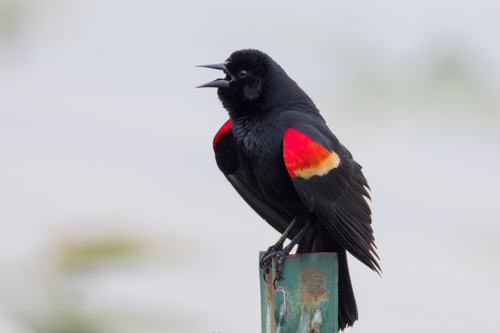
British Columbia, CA
You might spot Red-Winged Blackbird, Tree Swallow, and Great Blue Heron.
View guide →
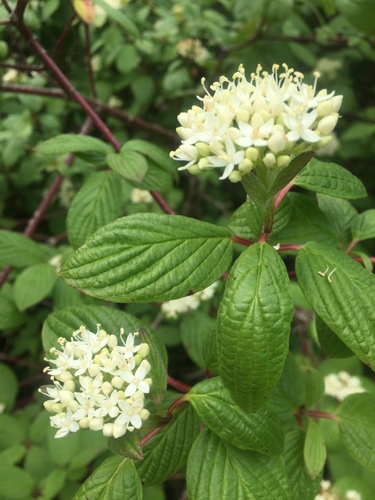
British Columbia, CA
You might spot Red Osier Dogwood, Lodgepole Pine, and Common Juniper.
View guide →
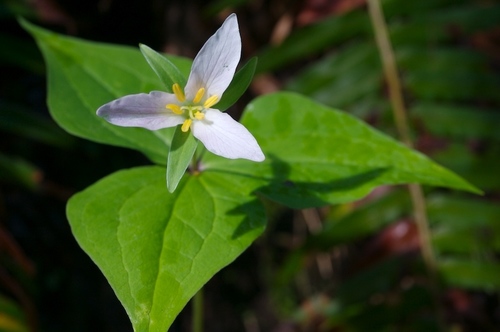
British Columbia, CA
You might spot Pacific Trillium, Vanilla Leaf, and Japanese Knotweed.
View guide →

British Columbia, CA
You might spot Painted Turtle and Antelope Bitterbrush.
View guide →
Take the discovery with you
Snap it with Snappit to identify it, learn what makes it special, and add the discovery to your collection.








.jpg&width=800)



