





White-tailed Kite
Elanus leucurus
The White-tailed Kite is a beautiful bird with striking white feathers and a long tail. It loves to soar high in the sky and can be seen hovering over fields looking for food.
Habitat: Grasslands
The White-tailed Kite is a sleek, medium-sized raptor with striking white undersides and a pale grey back. It features distinctive bright red eyes and black patches on its shoulder and wingtips. Its long, pointed wings and pure white tail are notable, giving it its name.
Category
BirdsRarity
Common
Danger
1/5 · Very low
Snaps
7
Female kites often build their nests high in tall trees using sticks and twigs.
Kites are one of the few raptors that often hunt by hovering motionless in the air.
Their sharp talons act like grappling hooks, helping them snatch prey with ease!
They can twist their tail like a rudder to steer precisely while hunting!
White-tailed Kites can hover almost perfectly still in the air because of specialized wing and tail structure that helps them spot prey from above.
White-tailed Kites have special feather adaptations that help them fly almost silently, allowing them to surprise unsuspecting prey.
White-tailed Kites possess exceptional vision that helps them spot tiny rodents moving in tall grass from high in the sky.
These skilled hunters primarily eat small mammals like voles and mice.
Feathered describes animals, primarily birds, possessing a covering of feathers.
Aerial creatures spend a significant portion of their lives airborne, utilizing flight for various activities such as hunting, migration, or nesting.
Grassland habitats are terrestrial biomes dominated by grasses and herbaceous plants, supporting a variety of grazing animals.
An ambush predator hunts by patiently waiting and concealing itself, then launching a sudden attack when unsuspecting prey comes within range.

This trait identifies organisms whose diet consists entirely or primarily of animal tissue.

Diurnal animals are primarily active during daylight hours, typically resting or sleeping at night.

This trait identifies organisms that exhibit exceptional swiftness in movement for hunting, escape, or travel.
No aliases listed yet.
Danger
1/5 · Very low
Always watch birds from a distance and do not try to touch or catch them.
The easiest way to identify White-tailed Kite is to use the Snappit nature identifier app.
35-43 cm
88-102 cm
0.25-0.38 kg
5-10 years
55 km/h
These skilled hunters primarily eat small mammals like voles and mice.
Grasslands
Zoom in to split clusters and explore where this object has been snapped.

California, US
You might spot Acorn Woodpecker and Western Fence Lizard.
View guide →

California, US
You might spot Northern Harrier and Black-Tailed Jackrabbit.
View guide →

California, US
You might spot Western Fence Lizard, Duck, and Canada Goose.
View guide →

California, US
You might spot Western Fence Lizard and Bee.
View guide →

California, US
You might spot Dark-Eyed Junco, Western Fence Lizard, and Monarch.
View guide →
California, US
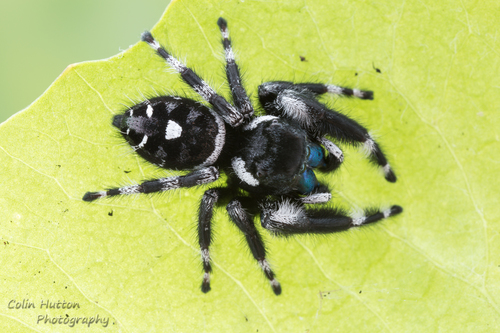
You might spot Bold Jumping Spider and Marbled Cellar Spider.
View guide →
Take the discovery with you
Snap it with Snappit to identify it, learn what makes it special, and add the discovery to your collection.




.jpg&width=800)

.jpg&width=800)







