





Whiteleaf Manzanita
Arctostaphylos viscida
The Whiteleaf Manzanita is a special shrub with shiny, white leaves. It grows in sunny places and has beautiful pink flowers that attract bees and butterflies!
Habitat: Mountain regions
The Whiteleaf Manzanita is a shrub with smooth, reddish-brown bark that often peels. Its distinctive leaves are pale green to yellowish-green, oval, and often feel sticky. Small, urn-shaped flowers bloom in clusters, typically white or light pink, contrasting with the pale foliage.
Category
PlantsRarity
Common
Danger
1/5 · Very low
Snaps
3
Its smooth, red bark feels surprisingly cool to the touch, even on a hot, sunny day!
Its unique urn-shaped flowers rely on 'buzz pollination' by bees to release their pollen!
Native peoples once ground manzanita berries into flour or brewed them into a tangy cider.
The wood of very old manzanitas is so incredibly dense that it will actually sink in water!
Whiteleaf Manzanita can regrow from a special underground burl after devastating wildfires, helping it survive and thrive.
Whiteleaf Manzanita has sticky leaves that can trap small insects and deter plant-eating animals, protecting itself from harm.
Whiteleaf Manzanita has tough, leathery leaves often covered in fine hairs to reduce water loss in dry, sunny environments.
Apis mellifera
Gathers nectar and pollen from its winter flowers.

Bombus vosnesenskii
Performs 'buzz pollination' on the unique flowers.
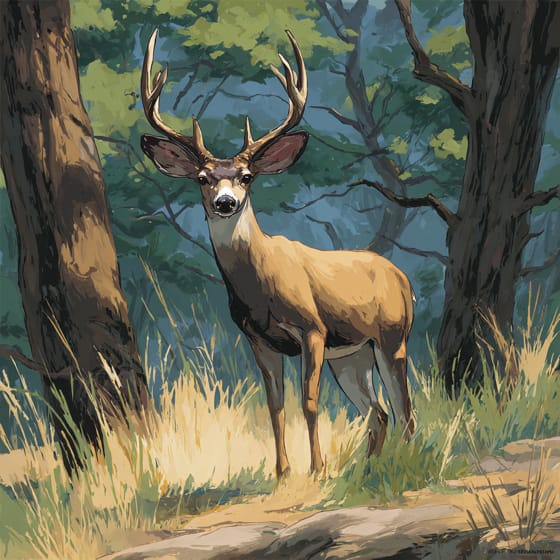
Odocoileus hemionus
Browses on its leaves and twigs, especially in winter.
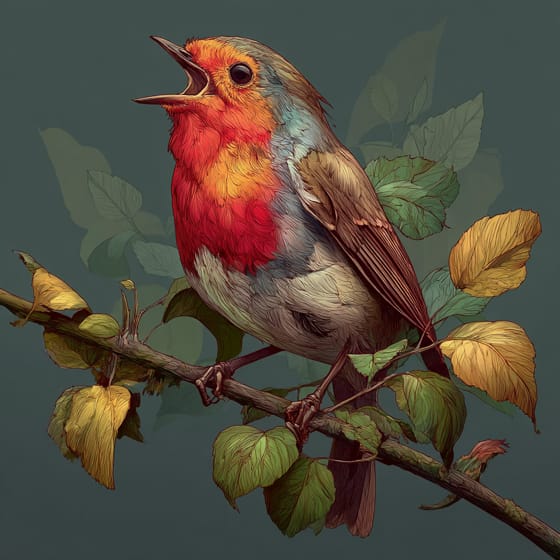
Turdus migratorius
Eats the small, red, berry-like fruits when ripe.
Flowering plants are any plants that produce flowers as part of their reproductive cycle.
Ornamental plants are cultivated primarily for their aesthetic appeal, enhancing landscapes and gardens with their attractive foliage, flowers, or form.
A shrub is a woody plant smaller than a tree, typically with multiple stems branching from or near the ground.
Spring blooming plants produce their flowers during the spring season, often signifying the end of winter and the start of new growth.

Evergreen plants retain their foliage throughout the year, never shedding all their leaves at once.

Drought-tolerant plants can survive and flourish in conditions with limited water availability.

Describes plants that are particularly attractive and beneficial to a wide range of pollinating organisms.

This habitat trait identifies species found in mountainous regions, characterized by high elevation, steep slopes, and varying climate zones.

This trait characterizes organisms with an exceptionally long lifespan compared to others of their kind.
No aliases listed yet.
Danger
1/5 · Very low
Be careful not to touch the sticky leaves too much; they are meant to help the plant.
The easiest way to identify Whiteleaf Manzanita is to use the Snappit nature identifier app.
100-400 cm
100-300 cm
0.5-0.7 cm
Winter to early spring
Yes
None
Perennial
Zoom in to split clusters and explore where this object has been snapped.

California, US
You might spot Sequoia, California Newt, and Pacific Dogwood.
View guide →

California, US
You might spot Gray Pine, Gambel Oak, and Caterpillar Scorpionweed.
View guide →

California, US
You might spot Yellow Star-Tulip and Mountain Misery.
View guide →

California, US
You might spot Black Bear, Western Fence Lizard, and Woodland Pinedrops.
View guide →

California, US
You might spot California Ground Squirrel and Western Fence Lizard.
View guide →
.JPG)
California, US
You might spot Cardinal Catchfly and Broad-Leaved Stonecrop.
View guide →
Take the discovery with you
Snap it with Snappit to identify it, learn what makes it special, and add the discovery to your collection.








.jpg&width=800)



_001.jpg&width=800)


