





Wholeleaf Paintbrush
Castilleja integra
The Wholeleaf Paintbrush is a bright and colorful flower that loves to grow in sunny places. Its unique shape and vibrant colors make it a favorite among butterflies and bees!
Habitat: Grasslands
The Wholeleaf Paintbrush has vibrant, paintbrush-like clusters of bright red, orange, or yellow bracts, which are modified leaves, atop upright stems. Its true flowers are small and hidden amongst these showy bracts, and its leaves are typically undivided.
Category
PlantsRarity
Common
Danger
1/5 · Very low
Snaps
11
Hummingbirds find its fiery red tops irresistible for nectar!
It gets its name from its undivided, 'whole' leaves!
Its true flowers are tiny, hidden under colorful leaf-like bracts.
This plant can 'borrow' food from other plants using its roots.
Wholeleaf Paintbrush has special roots that can connect to other plants, stealing water and nutrients to help it grow stronger.
Wholeleaf Paintbrush uses brightly colored bracts, not petals, to attract hummingbirds and other pollinators from afar.
Wholeleaf Paintbrush thrives in dry, rocky soils where many plants struggle, thanks to its adapted roots.
Flowering plants are any plants that produce flowers as part of their reproductive cycle.
Summer blooming plants produce their flowers during the summer season, often providing vibrant color when many other plants have finished.
Fragrant flowers emit a pleasant aroma, often to attract pollinators or for defense.
Drought-tolerant plants can survive and flourish in conditions with limited water availability.

Colorful describes organisms or objects displaying a wide range of bright and distinct colors.

Grassland habitats are terrestrial biomes dominated by grasses and herbaceous plants, supporting a variety of grazing animals.

Describes plants that are particularly attractive and beneficial to a wide range of pollinating organisms.

Describes a species whose presence and role have a disproportionately large effect on its environment.
No aliases listed yet.
Danger
1/5 · Very low
Do not pick the flowers; they are important for the bees and butterflies!
The easiest way to identify Wholeleaf Paintbrush is to use the Snappit nature identifier app.
10-50 cm
10-30 cm
1-2 cm
Spring to late summer
No
Mild
Perennial
Zoom in to split clusters and explore where this object has been snapped.

Texas, US
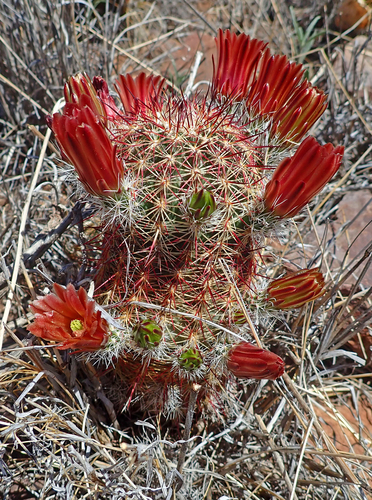
You might spot Texas Hedgehog Cactus, Ornate Tree Lizard, and Cactus Wren.
View guide →
Texas, US
You might spot Texas Hedgehog Cactus, Cactus Wren, and Ornate Tree Lizard.
View guide →

Colorado, US
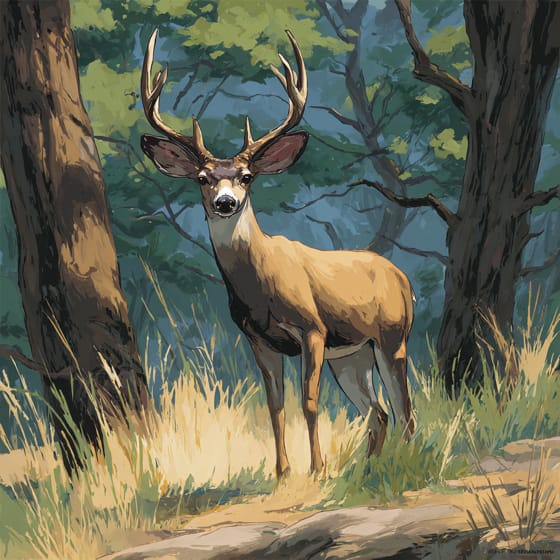
You might spot Mule Deer, Woodhouse's Scrub-Jay, and Black-Billed Magpie.
View guide →

Arizona, US
You might spot Dark-Eyed Junco and Plateau Fence Lizard.
View guide →

Colorado, US
You might spot Mountain Ball Cactus and Scarlet Gilia.
View guide →

Arizona, US
You might spot Fernbush, Mat Rock Spiraea, and Baker Kingcup Cactus.
View guide →
Take the discovery with you
Snap it with Snappit to identify it, learn what makes it special, and add the discovery to your collection.





.jpg&width=800)




.jpg&width=800)


_001.jpg&width=800)




