Yellow Bullhead
ameiurus natalis
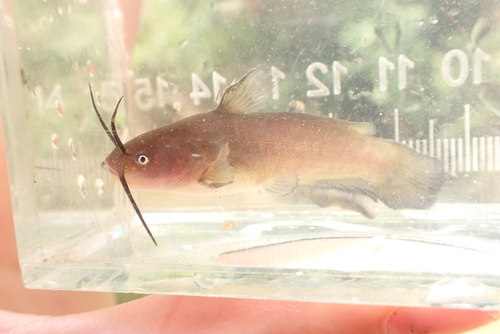
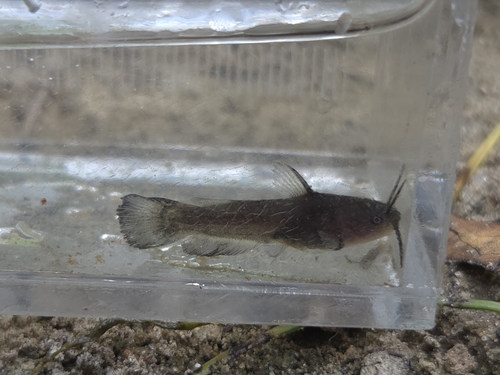
The Yellow Bullhead is a cute fish with a flat head and whiskers! It loves to swim around in rivers and ponds, making it a fun sight to see.
Habitat: Freshwater rivers, lakes, and ponds across North America.
The Yellow Bullhead has a smooth, scaleless body that ranges from yellowish to dark olive-brown, often with mottling. It has distinctive white or yellow barbels, like whiskers, around its mouth and a rounded tail fin, differentiating it from other catfish with forked tails.
Category
FishRarity
Common
Danger
1/5 · Very low
Snaps
6
Believe it or not, these fish have taste buds all over their body, not just in their mouth!
Female Yellow Bullheads guard their eggs and babies fiercely in their hidden, shallow nests.
Their mottled colors help them become masters of disguise, blending perfectly with the muddy bottom.
Yellow Bullheads can make a grunting or croaking sound by rubbing their fin bones together!
Yellow Bullhead can find food in dark, muddy waters because of its sensitive barbels that detect chemicals from prey.
Yellow Bullhead has sharp spines on its pectoral and dorsal fins that help it defend against predators.
Yellow Bullhead can survive in waters with low oxygen and high temperatures because of its durable skin and gills.
An omnivore, it dines on insects, small fish, plants, and decaying matter found on the bottom.
Age differences: Younger fish eat more insects; adults add small fish and plants to their diet.
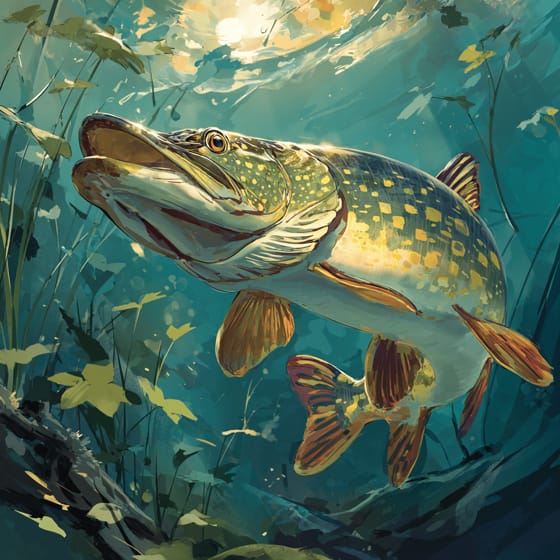
Esox lucius
One of its top fish predators in shared habitats.
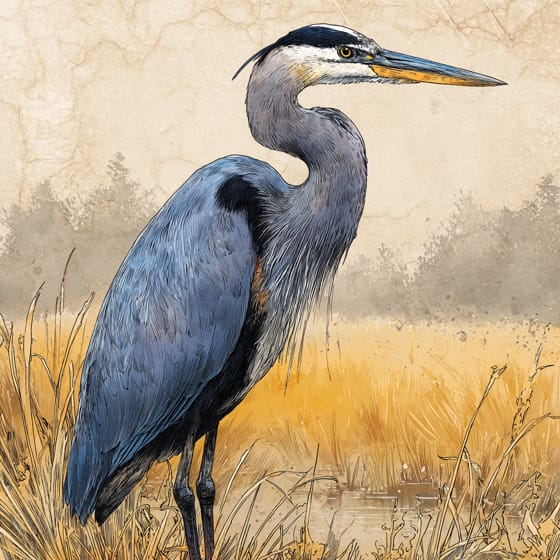
Ardea herodias
These birds often prey on bullheads in shallow waters.
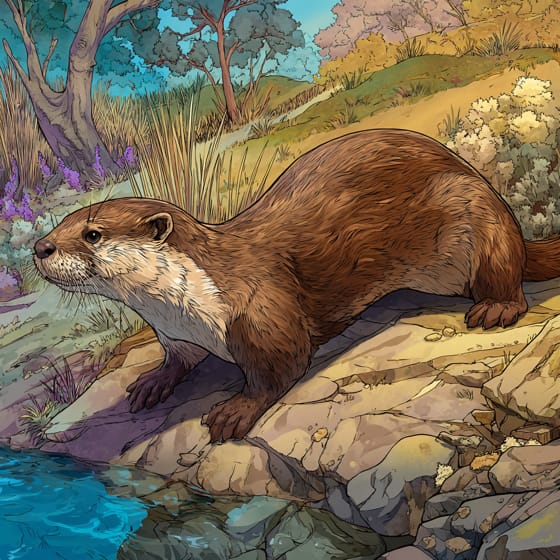
Lutra canadensis
Otters are skilled hunters that target bottom-dwelling fish.
Procambarus clarkii
Bullheads prey on crayfish, a common food source.
Solitary animals live alone for most of their lives, only interacting with others for mating or parental care.
Colorful describes organisms or objects displaying a wide range of bright and distinct colors.
This trait identifies organisms whose diet consists entirely or primarily of animal tissue.
Freshwater habitats include non-saline aquatic environments such as rivers, lakes, ponds, and wetlands, vital for numerous species.

Aquatic habitats encompass environments where organisms live predominantly in water, including oceans, rivers, lakes, and wetlands.
Danger
1/5 · Very low
No special safety notes yet.
The easiest way to identify Yellow Bullhead is to use the Snappit nature identifier app.
15-38 cm
0.1-1.5 kg
5-10 years
An omnivore, it dines on insects, small fish, plants, and decaying matter found on the bottom.
8 km/h
Freshwater rivers, lakes, and ponds across North America.
Foraging
Zoom in to split clusters and explore where this object has been snapped.
Aug 3, 2025
Shimek State ForestPhoto attribution
(c) -Rorey-, some rights reserved (CC BY)
License: CC BY 4.0 ↗
Image may be shown cropped inside the card frame.
Jul 9, 2025
Shimek State ForestPhoto attribution
(c) -Rorey-, some rights reserved (CC BY)
License: CC BY 4.0 ↗
Image may be shown cropped inside the card frame.

New Mexico, US
You might spot Duck, Greater Roadrunner, and American Robin.
View guide →

New Mexico, US
You might spot Wood Duck, Duck, and Canada Goose.
View guide →
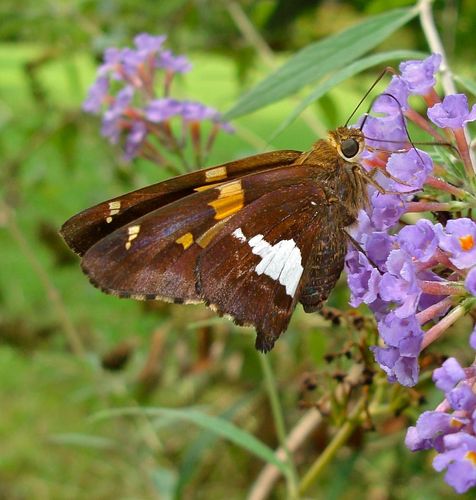
Iowa, US
You might spot Silver-Spotted Skipper, Question Mark, and Banded Pennant.
View guide →

New Mexico, US
You might spot Sand Tiger Shark and Zebra Shark.
View guide →

Alabama, US
You might spot Dwarf Palmetto and Sensitive Fern.
View guide →

Michigan, US
You might spot Duck, White-Tailed Deer, and Garter Snake.
View guide →
Take the discovery with you
Snap it with Snappit to identify it, learn what makes it special, and add the discovery to your collection.