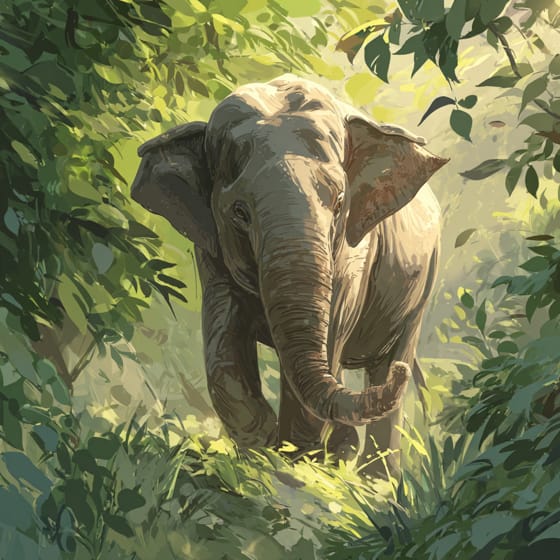
Asian Elephant
Nestled within Denver's sprawling City Park, the Denver Zoo invites visitors on an unforgettable journey across its 80-acre campus, where the wonders of the wild come alive.
Nestled within Denver's sprawling City Park, the Denver Zoo invites visitors on an unforgettable journey across its 80-acre campus, where the wonders of the wild come alive. Home to over 3,000 animals representing more than 450 species, this pioneering zoological garden offers an immersive experience designed to connect guests with nature and inspire a passion for conservation. Forget traditional cages; the Denver Zoo is renowned for its innovative, naturalistic habitats, including the historic Bear Mountain, a groundbreaking design from 1918 that was among the first in the United States to forgo bars for more open, naturalistic enclosures. A visit to the Denver Zoo is a vibrant exploration, with pathways leading through diverse ecosystems.
Wander through the lush, indoor rainforest of Tropical Discovery, where nearly half of the zoo's animal population resides, including exotic fish, amphibians, reptiles, and invertebrates like Komodo dragons and capybaras. Experience the vast plains of Predator Ridge, an expansive habitat that rotates African lions, spotted hyenas, and African wild dogs, providing dynamic viewing opportunities. Don't miss the Toyota Elephant Passage, one of North America's largest and most extensive elephant habitats, spanning ten acres and home to Asian elephants, greater one-horned rhinos, and Malayan tapirs. Beyond simply observing, the Denver Zoo encourages active engagement.
Visitors can watch daily animal demonstrations, allowing for deeper insights into animal behaviors and care routines. Seasonal highlights like Stingray Cove offer an interactive chance to touch and feed cownose rays and bamboo sharks in a shallow, open-air pool. Whether it's the playful antics of the primates in Primate Panorama or the free-roaming peacocks strutting across the grounds, the Denver Zoo promises a captivating and educational adventure for all ages, fostering a profound appreciation for wildlife and the importance of global conservation efforts. Be ready to snap and learn! Get the Snappit app to identify any nature species you find here.
The Denver Zoo's origins trace back to a humble beginning in 1896, when an orphaned American black bear cub named Billy Bryan became its very first resident, gifted to Mayor Thomas S. McMurray. This initial donation marked the start of what would become a significant zoological institution. Just over two decades later, in 1918, the zoo made history with the construction of Bear Mountain, pioneering the concept of naturalistic, barless habitats in the United States, a radical departure from the caged displays common at the time. This innovative design, utilizing hidden moats, significantly influenced zoo architecture and philosophy worldwide. Throughout the years, the Denver Zoo continued to evolve. The Denver Zoological Foundation took over management and fundraising after World War II, shifting the zoo's focus towards education and conservation. Notable additions included Monkey Island in 1937, the zoo's first elephant, Cookie, in the 1950s, and the opening of major exhibits like Tropical Discovery in 1993 and Predator Ridge in 2004. In 2012, the Toyota Elephant Passage, a 10-acre habitat, further solidified the zoo's commitment to modern, spacious enclosures. Today, the zoo is a non-profit organization, accredited by the Association of Zoos and Aquariums (AZA), and is recognized for its dedication to sustainability and global conservation projects.
Explore diverse animal habitats, attend daily animal demonstrations and keeper talks, ride the Conservation Carousel, or experience Gorilla Trek VR. Don't forget to look for free-roaming peacocks!
Summer: Animals are most active during early mornings and late afternoons. The zoo might open early on hot days to allow for cooler visits. Stay hydrated and utilize shaded areas. Winter: Offers a quieter experience, and cold-weather animals may be more active. The indoor Tropical Discovery is a great place to warm up. The zoo hosts "Zoo Lights" during the holiday season, transforming into a festive light display. Fall & Spring: Generally pleasant weather, ideal for walking and viewing animals outdoors.
The Denver Zoo is very wheelchair friendly with mostly flat, paved pathways throughout the park. Accessible parking is available in the garage and surface lots. Wheelchairs and electric convenience scooters are available for rent (reservations recommended). Many attractions, including the Conservation Carousel, Gorilla Trek, Denver Zoo Railroad, Stingray Cove, and Lorikeet Adventure, are wheelchair accessible. All-gender and family restrooms are available, and sensory kits with ear defenders and fidget tools can be checked out at the concierge booth. The zoo is a Certified Autism Center, with staff trained to recognize sensory needs.
A vast, multi-species habitat featuring Asian elephants, greater one-horned rhinos, and Malayan tapirs.
Observe African lions, spotted hyenas, and African wild dogs in naturalistic settings.
Home to gorillas, orangutans, and other primates, offering both indoor and outdoor viewing areas.
An indoor rainforest housing a diverse collection of fish, amphibians, reptiles, and invertebrates like Komodo dragons.
Each card links to a full Explore page with photos, traits, and fun facts.
Start with the big picture, then zoom in to explore individual wildlife observations around this place.
Arrive Early
Beat the crowds and catch animals at their most active by arriving shortly after opening.
Download the App
The Denver Zoo mobile app offers a GPS-enabled map and real-time schedules for demonstrations and feedings, helping you navigate and plan your day.
Bring Reusable Water Bottles
Stay hydrated at the numerous free refilling stations throughout the park.
Pack a Picnic
Save money and enjoy a meal in one of the zoo's scenic picnic areas; outside food is permitted.
Check Daily Schedule
Consult the daily schedule upon arrival or on the app to plan your visit around exciting animal demonstrations and keeper talks.
Consider Off-Peak Times
For a quieter experience, visit on a weekday, especially outside of summer and major holidays.
Mar 3, 2026
Mar 3, 2026
Mar 2, 2026
Feb 27, 2026
Feb 27, 2026

Michigan, US
You might spot African Lion, Komodo Dragon, and Brown Bear.
View guide →
.jpg)
Municipal District of Cobh, IE
You might spot Ring-Tailed Lemur, Giraffes, and Cheetahs.
View guide →

Nouvelle-Aquitaine, FR
You might spot Greater Flamingo, Giraffes, and Red Panda.
View guide →

Texas, US
You might spot Giraffes, African Lion, and Eastern Black Rhinoceros.
View guide →
Take the discovery with you
Identify the wildlife you spot, learn as you go, and keep a collection of the adventure.