





Vulture

Hawk Mountain Sanctuary is the world's first refuge for birds of prey, offering breathtaking raptor viewing experiences.
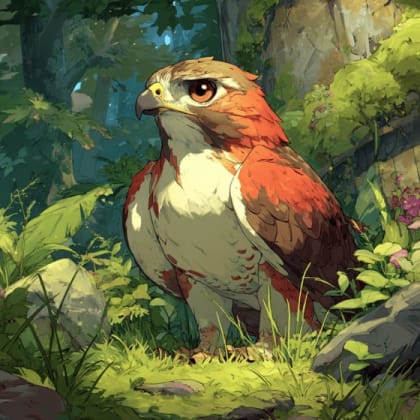
Hawk Mountain Sanctuary is the world's first refuge for birds of prey, offering breathtaking raptor viewing experiences. Nestled along the Appalachian flyway in eastern Pennsylvania, this 2,600-acre natural area provides critical habitat and a prime location for observing thousands of migrating hawks, eagles, and falcons each year. It serves as a living laboratory for conservation, research, and education, drawing nature enthusiasts and birdwatchers from across the globe.
Visitors can immerse themselves in the stunning natural beauty of Hawk Mountain through its extensive 8-mile trail system, leading to iconic overlooks like the panoramic North Lookout and the accessible South Lookout. Beyond the awe-inspiring raptor spectacle, the sanctuary also features a lush Native Plant Garden, a welcoming Visitor Center with exhibits, and opportunities to see diverse wildlife such as Monarch Butterflies in summer, and various resident birds like the Pileated Woodpecker and owls. The "Raptors Up Close!" program offers a unique chance to meet live hawks and owls, deepening understanding and appreciation for these magnificent creatures.
Hawk Mountain Sanctuary is more than just a scenic park; it's a historic landmark of the American conservation movement, continually working to protect raptors and their habitats worldwide. Its commitment to public education and accessible trails ensures that all visitors can connect with nature and witness the incredible annual migrations, making for an unforgettable and inspiring experience. Enhance your adventure: download the Snappit app to identify the local species you encounter.
The dramatic history of Hawk Mountain Sanctuary began in the Great Depression when the area was a notorious site for the mass shooting of migrating hawks for sport and bounties. In 1933, images of the slain raptors reached New York conservation activist Rosalie Edge, who was horrified by the practice. In a pivotal move in 1934, Edge leased 1,400 acres of the mountain, hired wardens Maurice and Irma Broun to stop the shooting, and within a year, opened the property to the public as a place to appreciate these birds rather than destroy them. The Hawk Mountain Sanctuary Association was officially incorporated as a non-profit organization in Pennsylvania in 1938, with Edge purchasing and deeding the land to the association in perpetuity. This bold act marked the establishment of the world's first refuge specifically for birds of prey. The sanctuary has since grown to 2,600 acres and continues its mission of raptor conservation, research, and education, earning recognition as a National Natural Landmark in 1965 and being listed on the National Register of Historic Places in 2022.
Hawkwatching: Observe migrating raptors from the lookouts. Staff and volunteers often identify and count birds.
* **Hiking: ** Explore the 8+ miles of trails, ranging from easy to difficult, including the rocky Lookout Trail and the challenging River of Rocks Trail.
* **Education: ** Visit the Visitor Center, learn about raptors via RaptorPedia, and attend weekend educational programs.
* **Photography: ** Capture stunning landscapes, diverse bird species, and other wildlife.
Winter: Lowest visitation, offering peace and solitude. Trails are not winter-maintained, so exercise caution and consider cleats after ice.
Spring: Cool, comfortable hiking weather. Look for returning songbirds, small mammals, and enjoy changing blooms in the Native Plant Garden. The Spring Hawk Count runs from April 1 to May 15.
Summer: Enjoy cooler mountaintop temperatures for hiking. Peak season for butterfly diversity (up to 40 species). Look for newts, frogs, and painted turtles in the pond, and hummingbirds at feeder stations near the Visitor Center.
Autumn: The most popular season. Witness the impressive migration of up to 16 species of raptors, including Bald Eagles, Broad-winged Hawks, American Kestrels, and Golden Eagles. Bring binoculars!
The **Silhouette Trail** is an ADA-compliant, wheelchair-accessible route (900 feet long with a gentle grade and crushed stone surface) leading to the South Lookout.
* An **all-terrain wheelchair** is available for free loan at the Visitor Center.
* The Visitor Center's main floor, restrooms, and accessible parking are ADA compliant.
* The Native Habitat Garden has an accessible brick walkway.
* Bench seating with assist bars is provided along accessible routes.
* Most other trails are rocky and ungraded, making them challenging for those with mobility limitations.
Offers a 200-degree panoramic view extending up to 70 miles, providing an exceptional vantage point for hawkwatching.
An accessible overlook with scenic views, reached via the gentle Silhouette Trail.
Features a shop, gift shop, and the "Wings of Wonder" gallery.
A deer-fenced habitat garden showcasing local flora, attracting butterflies and hummingbirds.
Each card links to a full Explore page with photos, traits, and fun facts.
Start with the big picture, then zoom in to explore individual wildlife observations around this place.
Bring binoculars
** Especially during the autumn migration, binoculars are essential for spotting and identifying raptors soaring overhead. You can also rent them at the Visitor Center.
Wear sturdy footwear
Most trails, apart from the accessible route to South Lookout, are rocky and uneven. Good hiking boots or sturdy shoes with strong tread are highly recommended.
Pack water and snacks
Hawk Mountain is a "carry-in, carry-out" facility with no trash cans, so be prepared to take all your waste with you. Bringing enough water is crucial, especially on longer hikes.
Dress in layers
Temperatures on the mountaintop can be about 10 degrees cooler than in surrounding areas. Layers allow you to adjust to changing conditions, and a protective shell is useful for wind, rain, or snow.
Arrive early
During peak migration season (autumn), arriving earlier in the day can help you avoid crowds and find better parking.
Keep noise levels low
Be mindful of other visitors and wildlife by keeping voices down and setting cell phones to vibrate, especially at the lookouts.
Jun 2, 2026
May 30, 2026
May 30, 2026
May 28, 2026
May 26, 2026

Maryland, US
You might spot White-Tailed Deer and Eastern Gray Squirrel.
View guide →
.jpg)
District of Columbia, US
You might spot Eastern Gray Squirrel, Duck, and House Sparrow.
View guide →

Illinois, US
You might spot American Robin, Canada Goose, and House Sparrow.
View guide →

Virginia, US
You might spot Spotted Lanternfly and Northern Cardinal.
View guide →
Take the discovery with you
Identify the wildlife you spot, learn as you go, and keep a collection of the adventure.



















_Geranium_robertianum_-_blossom_and_bud.jpg&width=800)












