

- animal identification
- animal ID app
- wildlife
- nature apps
- mammals
- birds
- kids
- outdoor learning
Best Animal Identification Apps in 2026: Top Picks for Families
The best animal identification apps of 2026: Snappit for kids, Merlin for bird songs, Seek and iNaturalist for wildlife photos, plus how to get a reliable ID.
Something just scurried under the hedge, and now there are three small faces looking at you for an answer. The best animal identification app depends on what you've got to work with: a photo, a sound, or an observation you'd like experts to look at. Our quick picks: Snappit for families with kids, Merlin for birds and bird songs, Seek for account-free exploring, and iNaturalist when you want the community to weigh in.
We built Snappit for our own kids, so we'll tell you where it shines and where another app does the job better. Most families end up with two of these on one phone.
Compare the best animal identification apps at a glance
| App | Best for | Cost model | Keep in mind |
|---|---|---|---|
| Snappit | Kids and families who love collecting finds | Free download, free daily IDs, optional subscription | No bird-song ID; pair with Merlin |
| Seek by iNaturalist | Private, account-free nature walks | Free | Sometimes stops at a broad group like "beetle" |
| iNaturalist | Observations other people can review | Free | Published observations are public; replies vary |
| Merlin Bird ID | Bird photos, songs, and guided questions | Free | Sound ID covers selected species and regions |
| Google Lens | Quick visual search from any picture | Available through Google products | Results are search leads, not wildlife IDs |
Snappit: the animal ID app kids actually want to open
Snappit is the one we made for our own children. Your kid snaps a photo of a squirrel, a ladybug, a lizard on a wall or a fish in a pond, and Snappit identifies it, then turns it into a collectible card with a rarity tier. Plants, fungi, flowers and trees count too, so a single walk can fill a whole page of the collection.
What keeps kids coming back is the game around it: collections to complete, badges to earn, and a daily discovery challenge. The facts are written for young readers, short enough that a six-year-old can follow along and fun enough that a four-year-old wants them read aloud twice. Behind the cards sits a field guide with 9,000+ species.
For parents, the important part: there are no ads, no chat, no social feed and no strangers. Your family's finds stay in a private collection and on a private discovery map. Snappit is free to download with free identifications every day, and an optional subscription unlocks unlimited snaps. Get it on the App Store or Google Play.
Seek: easy, account-free identification
Seek by iNaturalist suggests names through its live camera and rewards finds with badges and challenges. It covers animals, plants and fungi, so you don't need to know what group you're looking at. The official comparison with iNaturalist explains that account-free use keeps records on the device and works without an internet connection. Posting to iNaturalist is optional and changes how your records are shared.
If Seek only gets as far as a family or genus, that's fine. "Some kind of beetle" is a real answer.
iNaturalist: let other naturalists take a look
iNaturalist pairs identification suggestions with a community that can discuss your photo, location and date. It's great for a school project or a mystery animal that needs a second opinion. Replies aren't guaranteed or instant, and not every upload gets a species name, so one sharp photo beats ten blurry ones.
Merlin: the go-to app for birds
Merlin Bird ID offers Photo ID, Sound ID and a guided set of questions. When a bird is singing from deep inside a hedge, a recording gets you much further than a blurry photo. Cornell's Sound ID guidance explains its regional coverage and suggests comparing the result with the recording, especially when several birds are calling at once. Our bird identification apps guide goes deeper.
Google Lens: a handy backup
Google Lens searches from an image and shows related pages and similar pictures. If it's already on your phone, it's a quick second look. Just remember a lookalike photo isn't the same as a confirmed species.
Tracks, reptiles and seashore finds
A regional reference can answer questions a general image search can't. Our guides to mammal ID apps, reptile ID apps and marine life ID apps cover those more specialized trips.
How to get an accurate animal ID from a photo

Start with our animal identification guide, then narrow it down to mammals, birds, insects or reptiles. The field-guide cards below are good for practicing what to look for.
Animal features to compare in the field guide
Explore the field guide →













- Get the whole animal in the frame. Head, body and tail if you can. Stay on the path and zoom in rather than stepping closer.
- Grab a second angle. A side view, a wing pattern or a face marking often separates two lookalikes. Keep the original photo instead of a heavy crop.
- Note where you are. Date, rough location, size and habitat all help. A zoo animal or an escaped pet won't match the local wild range.
- Check two or three features. Does the suggested animal have the same ears, tail, bill or markings? Two apps agreeing doesn't settle it, since they may be trained on similar pictures.
- Be happy with "squirrel." When the photo can't support a narrower name, a broad one is a good record. Ask the iNaturalist community or check a regional guide when the detail matters.
Offline walks, privacy and language settings

Going somewhere without signal? Seek's account-free identification works offline, though web info and sharing need a connection. In Merlin, download your region under Settings → My Offline Birds using Cornell's current instructions. iNaturalist can collect records offline, but suggestions and community discussion need a connection. For Snappit and Lens, run a quick test in airplane mode at home so there are no surprises on the trail.
Public is still public. iNaturalist's geoprivacy guidance explains that obscuring coordinates hides the exact spot while the observation itself stays public. A photo can still give away a school or a front yard, so look before you post. Snappit sidesteps this for families: your collection and discovery map are private, and nothing is posted to a public community.
Kids under 13. iNaturalist has a parent or guardian consent procedure for younger children. For a family outing, a parent-run account, account-free Seek, or Snappit on a parent's phone is usually simpler. Check camera, microphone, location and purchase settings either way.
Language. Snappit's iOS listing names English, Spanish, German and Japanese. Try a familiar animal in your language before a class trip. We also have guides for German speakers, Spanish speakers and Japanese speakers.
Turn animal spotting into a 30-minute family outing

Pick a familiar park and a small mission: spot three animals, photograph one clearly, and name one feature that gives it away. A pigeon, an ant and a squirrel are plenty. Watch for a minute before anyone reaches for the phone, then ask, "What did we see that matches this name?" If the animal runs off, let it go. That sighting still counts.
Back home, open the collection and look at the new card together. Your kid can draw the animal, tell you how it moved, or hunt for it in the field guide. For more ideas made for younger explorers, see our picks for kids' animal identification apps and apps for kids who love animals.
Need a place to go? Snappit's park guides include checklists of what you might spot, so your kid can choose a mission before you leave. Check each park's official access details and rules before visiting.
Parks for a family animal-spotting walk
Spain, ES
Jardín del Turia
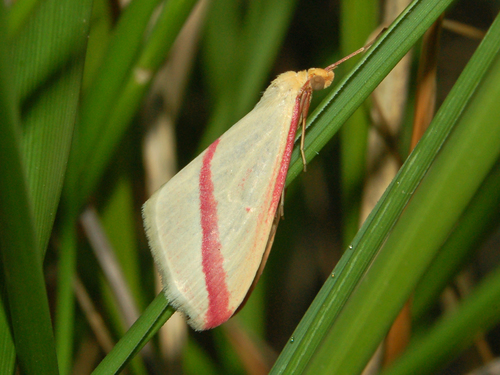
You might spot Vestal, Collared Dove, and Common Blackbird.
View guide →

Andalusia, ES
Doñana National Park
You might spot Green Hairstreak, Natterjack Toad, and Lobed Argiope.
View guide →
Frequently Asked Questions
Which animal identification app is most accurate?
It depends on the animal and the evidence you have. Merlin is the specialist for birds and songs, iNaturalist adds human reviewers, and any app does better with a clear photo, a second angle and a quick feature check.
What's the best animal ID app for kids?
Snappit, if your child likes collecting. Each find becomes a card with kid-friendly facts, there are no ads or chat, and the collection stays private. Add Merlin if your family wants to identify bird songs.
Which app should we start with?
Start with one. Snappit for a family collection, Seek for an account-free mixed walk, Merlin for birds, or iNaturalist when you want community review. Add a second app only when you hit a need the first can't cover.
Can an app tell us whether an animal is safe to touch?
No. An identification can't tell you about bites, stings or treatment, so watch unfamiliar wildlife without handling it.