





Blinded Sphinx
Paonias excaecata
The Blinded Sphinx is a special moth that loves to fly at night. Its wings are big and beautiful, and it can be found fluttering around flowers, especially in the summer.
Habitat: Forests
The Blinded Sphinx is a large, fuzzy moth with a thick body and mottled brown, tan, and gray forewings that mimic tree bark. Its hindwings famously feature a large, blue-centered "eyespots" that are partly obscured by a black patch, making them look "blinded."
Category
InsectsRarity
Common
Danger
1/5 · Very low
Snaps
12
Adult Blinded Sphinx moths do not eat at all! They live off the energy stored as caterpillars.
Baby Blinded Sphinx moths, called caterpillars, are huge green giants with a pointy "horn" on their tail!
Despite their name, Blinded Sphinx moths can see perfectly well! Their "blinded" eyespots are just a clever trick.
These amazing moths are only active at night, silently flying through gardens and forests.
Blinded Sphinx can flash large, "blinded" eyespots on its hindwings to startle predators and give itself a chance to escape.
Blinded Sphinx can hover like a hummingbird to sip nectar from flowers using its long proboscis.
Caterpillars munch on tree leaves; adults don't eat at all!
Age differences: Caterpillars are voracious leaf-eaters, but adult moths do not feed.
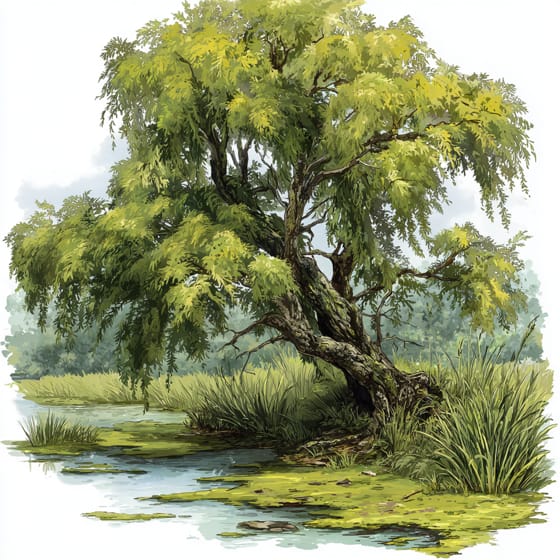
Salix nigra
Larvae feed on the leaves.
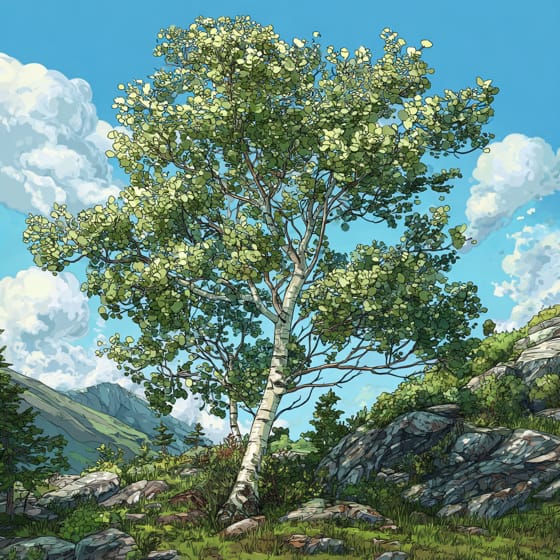
Populus tremuloides
A primary host plant for caterpillars.
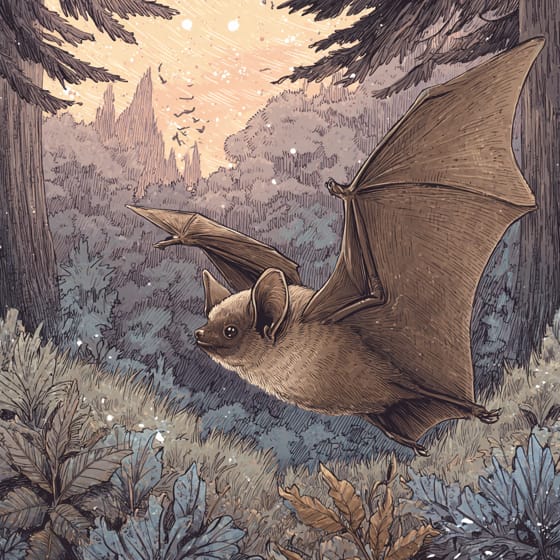
Myotis lucifugus
Nocturnal bats hunt adult moths.
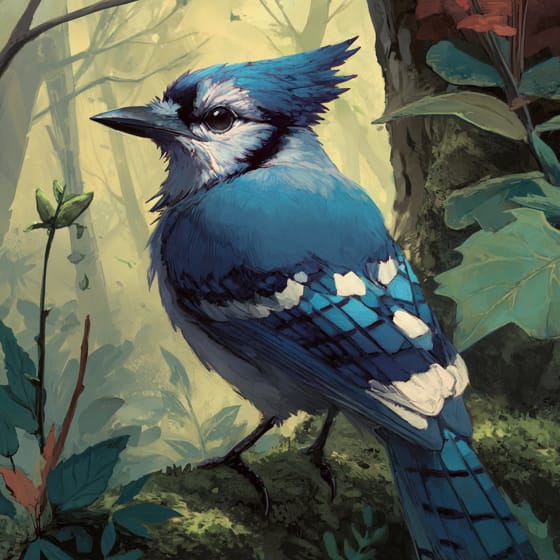
Cyanocitta cristata
Birds eat caterpillars and moths.
Compsilura concinnata
Larvae are parasitized by this fly.
Furry describes animals possessing a dense covering of soft hair or fur.
Aerial creatures spend a significant portion of their lives airborne, utilizing flight for various activities such as hunting, migration, or nesting.
Colorful describes organisms or objects displaying a wide range of bright and distinct colors.
This trait characterizes organisms whose diet consists entirely or primarily of plant material.

Describes plants that are particularly attractive and beneficial to a wide range of pollinating organisms.

Forest habitats are terrestrial environments dominated by dense tree cover, supporting a high diversity of plant and animal life.

Nocturnal animals are primarily active during the nighttime hours, typically resting or sleeping during the day.

Describes organisms that transfer pollen, enabling the fertilization and reproduction of plants.
No aliases listed yet.
Danger
1/5 · Very low
Moths are usually safe to watch, but don't touch them as they can be delicate.
The easiest way to identify Blinded Sphinx is to use the Snappit nature identifier app.
70-100 mm
50-70 mm
7-14 days
35 km/h
Caterpillars munch on tree leaves; adults don't eat at all!
Forests
Foraging
Zoom in to split clusters and explore where this object has been snapped.

Oklahoma, US
You might spot Western Ratsnake and Spotted Chorus Frog.
View guide →

Alabama, US
You might spot Muscovy Duck and Gulf Longear Sunfish.
View guide →

Illinois, US
You might spot Northern Cardinal, Eastern Pondhawk, and Common Watersnake.
View guide →

Washington, US
You might spot Barrow's Goldeneye and Pacific Banana Slug.
View guide →

Virginia, US
You might spot Canada Goose, Duck, and Great Blue Heron.
View guide →

Washington, US
You might spot Rock Pigeon, American Crow, and Pigeon Guillemot.
View guide →
Take the discovery with you
Snap it with Snappit to identify it, learn what makes it special, and add the discovery to your collection.







.jpg&width=800)


