





Bordered Patch
Chlosyne lacinia
The Bordered Patch is a colorful butterfly with bright orange and black patterns. It loves to flutter around flowers and can be seen in sunny spots during warm days.
Habitat: Grasslands
The Bordered Patch is a medium-sized butterfly with vibrant orange wings outlined by thick black borders. Its forewings feature intricate black patches and veins, giving it a somewhat 'patchwork' appearance. The underside is a paler orange with similar black markings.
Category
InsectsRarity
Common
Danger
1/5 · Very low
Snaps
9
Adult butterflies use their feet to taste sweet nectar before drinking it!
Every Bordered Patch starts life as a tiny egg laid on a plant leaf!
Its caterpillars have spiky black bristles, making them look like tiny punk rockers!
These butterflies complete a stunning transformation from a crawling caterpillar to a flying adult!
Bordered Patch caterpillars can store toxic compounds from their host plants, making them unpalatable to predators, which helps them survive.
The Bordered Patch uses its wings to absorb sunlight, allowing it to warm up quickly and fly efficiently, especially in cooler weather.
This butterfly can produce multiple generations in a single year, allowing its population to rebound quickly and thrive.
Adult Bordered Patch butterflies sip nectar from flowers, while their caterpillars munch on plant leaves.
Age differences: Young caterpillars eat leaves, then adults drink nectar from flowers.
Helianthus annuus
Its caterpillars feed on its leaves.

Ambrosia artemisiifolia
A primary host plant for its developing larvae.

Asclepias tuberosa
Adults visit its flowers for vital nectar.
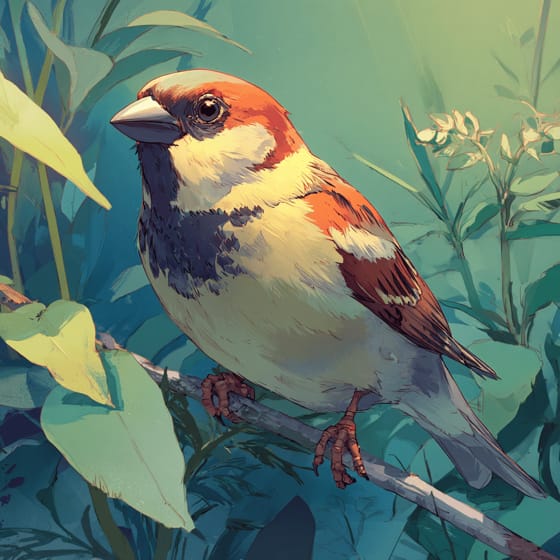
Passer domesticus
Young caterpillars can be prey for various bird species.
Social animals live in organized groups, cooperating for survival benefits such as foraging, defense, and raising offspring.
Colorful describes organisms or objects displaying a wide range of bright and distinct colors.
Grassland habitats are terrestrial biomes dominated by grasses and herbaceous plants, supporting a variety of grazing animals.
This trait characterizes organisms whose diet consists entirely or primarily of plant material.

Describes plants that are particularly attractive and beneficial to a wide range of pollinating organisms.

Diurnal animals are primarily active during daylight hours, typically resting or sleeping at night.

Describes organisms that transfer pollen, enabling the fertilization and reproduction of plants.
No aliases listed yet.
Danger
1/5 · Very low
Butterflies are gentle and safe to watch, but don't try to catch them.
The easiest way to identify Bordered Patch is to use the Snappit nature identifier app.
32-51 mm
20-30 mm
14-28 days
Adult Bordered Patch butterflies sip nectar from flowers, while their caterpillars munch on plant leaves.
Grasslands
Foraging
6
Zoom in to split clusters and explore where this object has been snapped.

Texas, US
You might spot Eastern Fox Squirrel and Great-Tailed Grackle.
View guide →

New Mexico, US
You might spot Vermilion Flycatcher, Turkey, and American Rubyspot.
View guide →

Texas, US
You might spot Honey Mesquite, Anacua, and Alamo Vine.
View guide →

US
You might spot Great-Tailed Grackle, Duck, and Pond Slider.
View guide →

Texas, US
You might spot Pipevine Swallowtail, Texas Spiny Lizard, and Queen.
View guide →

Arizona, US
You might spot Rainbow Hedgehog Cactus and Red-Tailed Hawk.
View guide →
Take the discovery with you
Snap it with Snappit to identify it, learn what makes it special, and add the discovery to your collection.






.jpg&width=800)



