





box elder
Acer negundo
The box elder is a fast-growing tree with bright green leaves that turn yellow in the fall. It can grow tall and provides shade for people and animals alike.
Habitat: Urban areas
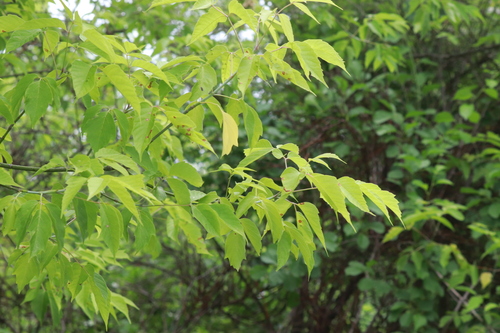
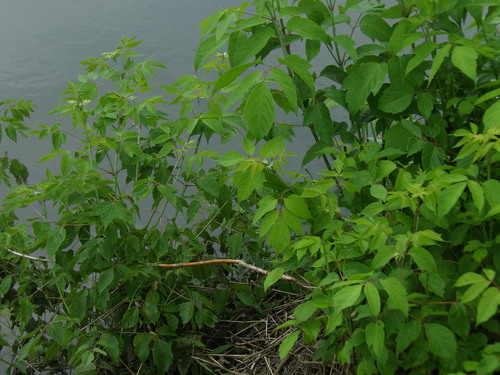
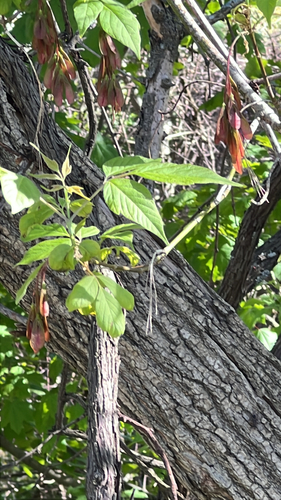
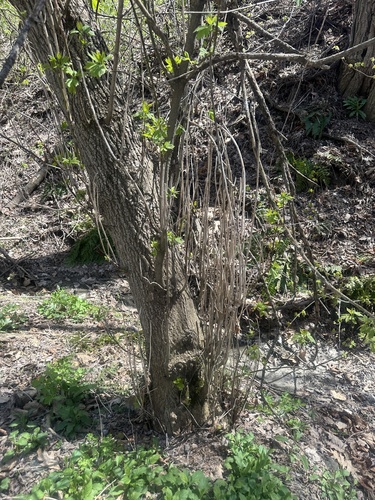
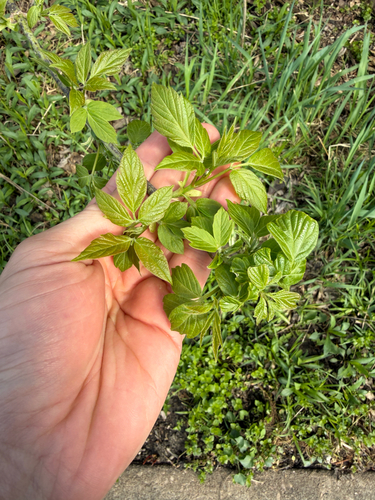
The box elder is a medium-sized tree with distinctive compound leaves, usually featuring 3-7 leaflets, making it look different from most maples. Its young branches are often bright green or purplish, and the mature bark is pale gray-brown with deep furrows.
Category
PlantsRarity
Common
Danger
1/5 · Very low
Snaps
97
Box elder is sometimes called 'ash-leaved maple' because its leaves look like ash tree leaves!
It's the only maple tree with leaves divided into many small leaflets!
Native Americans once boiled its sweet sap to make sugary syrup!
This tree grows super fast, sometimes reaching its full height in just 30 years!
Box elder can grow in flood-prone areas, quickly recovering after water events, helping it survive harsh riverbanks.
Box elder can rapidly colonize disturbed soils and open spaces, helping it spread and establish new territories.
Box elder produces winged seeds called samaras that twirl through the air, helping it disperse seeds far away.
Boisea trivittata
feeds on leaves and seeds.
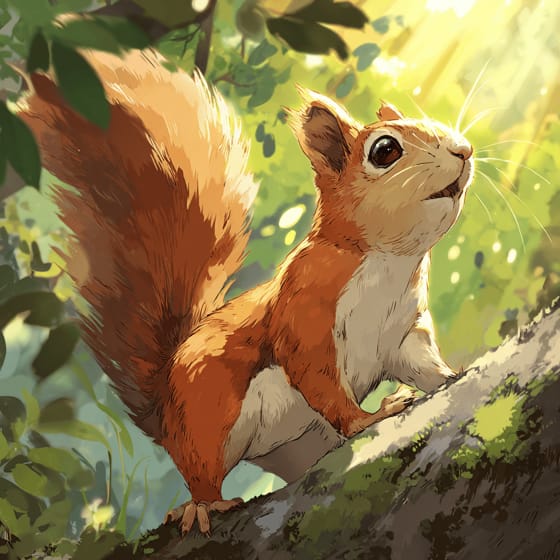
Sciurus carolinensis
eats the tree's winged seeds.

Odocoileus virginianus
browses on young twigs and leaves.

Turdus migratorius
builds nests in its branches.
Deciduous plants periodically shed all their leaves, typically during autumn or dry seasons.
Shade tolerant plants are adapted to grow and thrive in areas with low light levels, requiring less direct sunlight.
Broadleaf trees are angiosperms characterized by flat, wide leaves that are typically shed annually in temperate climates.
Fall color refers to the seasonal change in foliage pigmentation, primarily in deciduous plants, displaying vibrant hues.

Rapid growing plants exhibit accelerated growth rates, quickly increasing in size and biomass within a short period.

This trait characterizes organisms with an exceptionally long lifespan compared to others of their kind.

This habitat trait indicates species that can coexist with humans in urban and suburban environments, utilizing man-made structures and green spaces.
Danger
1/5 · Very low
Be careful around trees; watch for falling branches and stay close to an adult.
The easiest way to identify box elder is to use the Snappit nature identifier app.
1000-2500 cm
600-1500 cm
0.5-1 cm
Early spring
No
None
Perennial
Zoom in to split clusters and explore where this object has been snapped.
Jun 7, 2026
East Windsor Hill Historic DistrictPhoto attribution
(c) Mark Apgar, some rights reserved (CC BY)
License: CC BY 4.0 ↗
Image may be shown cropped inside the card frame.
May 27, 2026
Ridgewood Historic DistrictPhoto attribution
no rights reserved
License: CC0 1.0 ↗
Image may be shown cropped inside the card frame.
May 12, 2026
Ascutney Mill DamPhoto attribution
no rights reserved
License: CC0 1.0 ↗
Image may be shown cropped inside the card frame.
Apr 27, 2026
Lower Village DistrictPhoto attribution
(c) Jaime McGuigan, some rights reserved (CC BY)
License: CC BY 4.0 ↗
Image may be shown cropped inside the card frame.
Apr 18, 2026
Cedar Valley Arboretum & Botanic GardensPhoto attribution
(c) evangrimes, some rights reserved (CC BY)
License: CC BY 4.0 ↗
Image may be shown cropped inside the card frame.

New York, US
You might spot Sundial Lupine, Spotted Horsemint, and New Jersey Tea.
View guide →

Michigan, US
You might spot Eastern Gray Squirrel, Tree-Of-Heaven, and House Sparrow.
View guide →

New Mexico, US
You might spot Tree Cholla, Colorado Pinyon, and House Finch.
View guide →

Massachusetts, US
You might spot Common Eastern Bumble Bee and Eastern Skunk Cabbage.
View guide →

Ohio, US
You might spot Large White Trillium, Fire Pink, and Christmas Fern.
View guide →

Rhode Island, US
You might spot Spotted Lanternfly, Duck, and American Robin.
View guide →
Take the discovery with you
Snap it with Snappit to identify it, learn what makes it special, and add the discovery to your collection.








.jpg&width=800)


_001.jpg&width=800)


