





Brown Watersnake
Nerodia taxispilota
The Brown Watersnake is a friendly snake that loves to swim in rivers and lakes. It has a beautiful brown color with dark stripes, which helps it blend in with the water and plants.
Habitat: Wetlands
The Brown Watersnake is a robust snake, typically brown to tan with large, dark brown square blotches that often form an irregular checkered pattern down its back and sides. Its scales are keeled, giving it a rough appearance, and its head is relatively small compared to its thick body.
Category
ReptilesRarity
Common
Danger
2/5 · Low
Snaps
5
Brown Watersnakes give birth to live young, not eggs, usually between 10 and 60 babies!
Despite their name, they are non-venomous and generally harmless to humans!
These snakes are often mistaken for venomous Cottonmouths, but they are very different!
They can climb into low-hanging branches above water, sometimes even basking in trees!
Brown Watersnakes have intricate patterns that help them blend perfectly into muddy or leafy watery habitats.
Brown Watersnakes can release a stinky, musky fluid when scared, making predators think twice about bothering them.
These snakes are expert hunters, mainly feasting on fish and frogs they catch in the water.
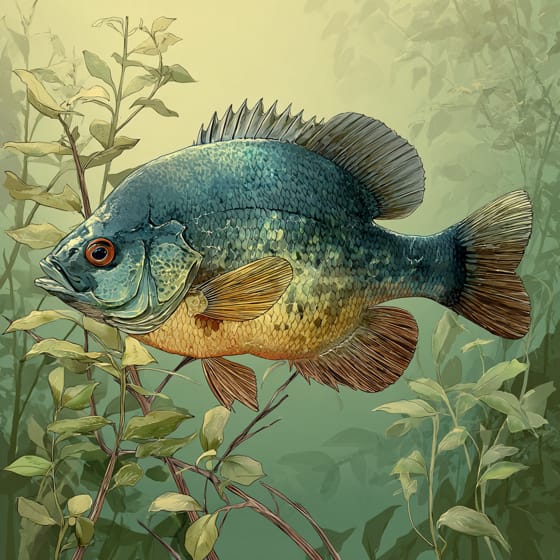
Lepomis macrochirus
Main food source in many habitats.
%2C_Vorderansich.jpg&width=800)
Rana sphenocephala
Preys on frogs found near water's edge.
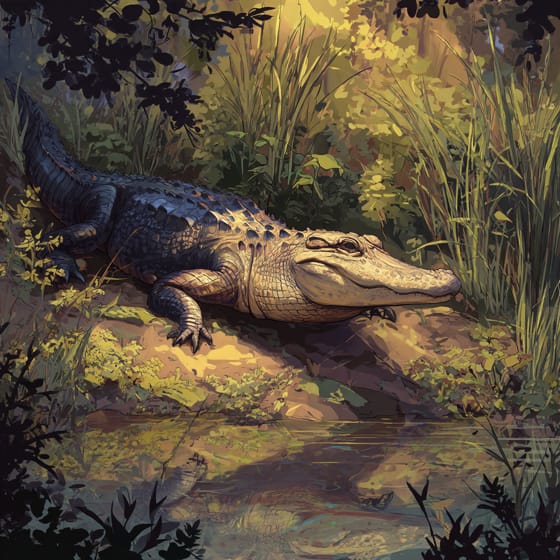
Alligator mississippiensis
A significant predator in shared habitats.
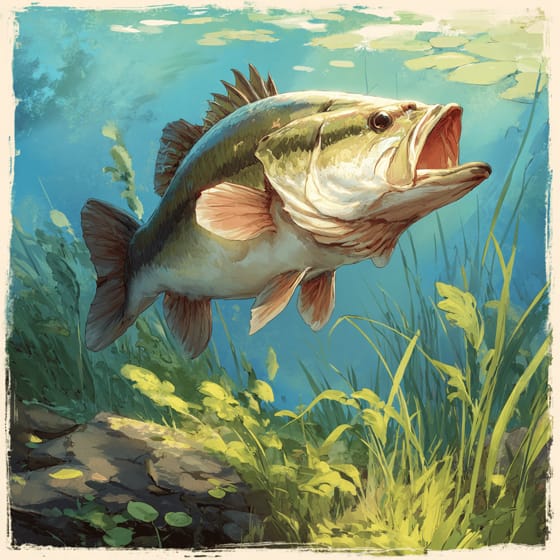
Micropterus salmoides
Large fish may prey on young snakes.
Marked with parallel bands or lines of color.
Solitary animals live alone for most of their lives, only interacting with others for mating or parental care.
Camouflaged describes organisms that possess coloring or patterns that allow them to blend into their environment.
Piscivorous organisms are animals that primarily subsist on a diet of fish.

This habitat trait identifies species found in wetlands, which are areas of land saturated with water, either permanently or seasonally, including marshes, swamps, and bogs.

This trait identifies organisms whose diet consists entirely or primarily of animal tissue.

Diurnal animals are primarily active during daylight hours, typically resting or sleeping at night.

Aquatic habitats encompass environments where organisms live predominantly in water, including oceans, rivers, lakes, and wetlands.
No aliases listed yet.
Danger
2/5 · Low
If you see a snake, it's best to stay calm and walk away. They usually don't want to bother you!
The easiest way to identify Brown Watersnake is to use the Snappit nature identifier app.
75-155 cm
0.2-1.5 kg
7-12 years
5 km/h
These snakes are expert hunters, mainly feasting on fish and frogs they catch in the water.
6 km/h
Wetlands
Zoom in to split clusters and explore where this object has been snapped.

South Carolina, US
You might spot Northern Cottonmouth and Brown Watersnake.
View guide →

Georgia, US
You might spot Riley's 13-Year Cicada, Joro Spider, and Asian Lady Beetle.
View guide →

Georgia, US
You might spot Spanish Moss, Anole, and Resurrection Fern.
View guide →

Alabama, US
You might spot Pearl Crescent and Oriental False Hawksbeard.
View guide →

Georgia, US
You might spot Spanish Moss, Anole, and Resurrection Fern.
View guide →

Florida, US
You might spot Giraffes, Indian Rhinoceros, and Florida Black Bear.
View guide →
Take the discovery with you
Snap it with Snappit to identify it, learn what makes it special, and add the discovery to your collection.













