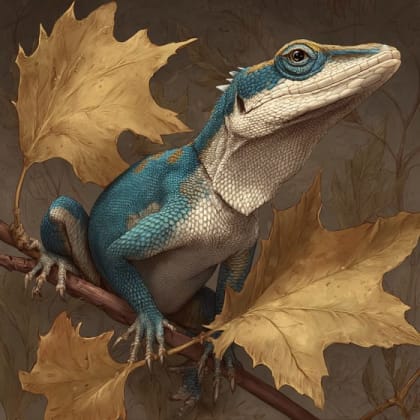





Anole

Step into a postcard-perfect past in the Savannah Historic District, one of the largest National Historic Landmark Districts in the United States.
Step into a postcard-perfect past in the Savannah Historic District, one of the largest National Historic Landmark Districts in the United States. This enchanting area, meticulously planned in 1733 by General James Oglethorpe, boasts a unique grid of 22 picturesque squares, each a verdant oasis adorned with monuments, fountains, and ancient live oak trees draped in mystical Spanish moss. Stroll along cobblestone streets and brick-lined avenues, where impeccably preserved 18th and 19th-century architecture, from elegant Greek Revival mansions to intricate Gothic and Victorian homes, tells tales of centuries gone by.
Key highlights include the iconic Forsyth Park with its grand fountain, the bustling River Street with its historic warehouses, and architecturally significant landmarks such as the Cathedral Basilica of St. John the Baptist and the Juliette Gordon Low Birthplace. Visitors can explore a wealth of museums, art galleries, and boutiques nestled among the historic structures. The district's squares, like Chippewa Square (famous for its cinematic appearance in *Forrest Gump*) and Johnson Square, offer serene spots for relaxation and people-watching amidst the city's vibrant rhythm.
The Savannah Historic District offers a truly immersive experience, blending historical grandeur with contemporary culture. Whether you're admiring the architectural diversity, enjoying a horse-drawn carriage ride, or simply soaking in the ambiance beneath a canopy of moss-laden oaks, the district provides a memorable journey through America's past, making it an unmissable destination for history buffs, romantics, and photographers alike. Be ready to snap and learn! Get the Snappit app to identify any nature species you find here.
The Savannah Historic District's origins trace back to General James Oglethorpe's founding of Savannah in 1733. He meticulously designed the city using a distinctive grid plan featuring a series of wards, each centered around a public square. This innovative urban layout was originally intended for community building and defense. While Oglethorpe laid out the initial four squares, the city leaders continued to follow his brilliant design for over a century, expanding the district to eventually include 24 squares (22 of which remain today). In 1966, the area was recognized for its unique preservation efforts and its significance in early American city planning, earning its designation as a National Historic Landmark District, one of the largest in the United States.
Take a walking, trolley, or carriage tour to learn about the history and architecture.
* Explore City Market for arts, shopping, and dining.
* Enjoy the nightlife and culinary scene, ranging from casual cafes to gourmet restaurants.
* Experience a ghost tour for a spooky perspective on Savannah's haunted reputation.
* Browse boutiques and art galleries along Broughton Street and within City Market.
Spring: Peak blooming season with azaleas and other flowering trees, ideal weather for outdoor activities, and major events like the Savannah Music Festival and St. Patrick's Day Parade.
Summer: Hot and humid, but can offer deals on accommodations and activities. Best for early morning outdoor activities.
Fall: Comfortable weather, fewer crowds, and popular events like the Savannah Film Festival and Halloween-themed tours.
Winter: Mild temperatures, quiet atmosphere, and festive holiday decorations, especially in Forsyth Park.
Savannah has made efforts to enhance accessibility, with many museums and attractions offering features like ramps and elevators. The Historic District's relatively flat terrain makes it easier for visitors with mobility needs. While some cobblestone streets can be challenging, paved alternatives like Bull Street and Broughton Street are smoother. Free ADA-accessible shuttle services (DOT Shuttle, Savannah Belles Ferry) and accessible taxi services are available.
Home to the iconic Forsyth Park Fountain and picturesque walking paths under towering oak trees.
Explore specific squares like Chippewa Square (famous for *Forrest Gump* scenes and the Oglethorpe Monument), Johnson Square (Savannah's first and largest), Madison Square, and Monterey Square for their unique character and surrounding architecture.
A historic waterfront area lined with old brick warehouses now housing shops, restaurants, and art galleries, offering views of the Savannah River.
Visit the Juliette Gordon Low Birthplace, Mercer-Williams House, Owens-Thomas House, and the American Prohibition Museum.
Each card links to a full Explore page with photos, traits, and fun facts.
Start with the big picture, then zoom in to explore individual wildlife observations around this place.
Wear comfortable shoes
The best way to explore the district is on foot, so comfortable footwear is essential for navigating cobblestones and sidewalks.
Take a guided tour
Consider a trolley, walking, or carriage tour early in your visit to gain an overview and historical context.
Explore the squares leisurely
Don't rush; spend time sitting on benches in the squares to soak in the atmosphere.
Look up and around
Pay attention to architectural details, wrought-iron balconies, and the signature live oaks draped in Spanish moss.
Book accommodations and popular tours in advance: Especially during peak seasons (spring and fall), booking ahead is recommended.
Utilize accessible transportation
If mobility is a concern, take advantage of the fare-free DOT Shuttle or accessible taxi services.
Jun 7, 2026
Jun 7, 2026
Jun 7, 2026
Jun 7, 2026
Jun 6, 2026

Maryland, US
You might spot White-Tailed Deer and Eastern Gray Squirrel.
View guide →
.jpg)
District of Columbia, US
You might spot Eastern Gray Squirrel, Duck, and House Sparrow.
View guide →

Illinois, US
You might spot American Robin, Canada Goose, and House Sparrow.
View guide →

Virginia, US
You might spot Spotted Lanternfly and Northern Cardinal.
View guide →
Take the discovery with you
Identify the wildlife you spot, learn as you go, and keep a collection of the adventure.