





Canadian buffalo-berry
Shepherdia canadensis
The Canadian buffalo-berry is a small shrub that grows berries loved by birds and other animals. Its bright red berries are not only pretty but also tasty for some creatures!
Habitat: Grasslands
The Canadian buffalo-berry is a medium-sized shrub with distinctive oval leaves that are dull green above and silvery-scaly underneath. Its tiny, yellowish-brown flowers give way to bright red or orange-red berries, often speckled, that cling to the branches.
Category
PlantsRarity
Common
Danger
1/5 · Very low
Snaps
11
Its tiny flowers are so small, you might need a magnifying glass to see them clearly!
Native peoples traditionally mixed the berries with fat and sugar to make a special 'Indian ice cream.'
This tough plant can grow high up on mountains and even in parts of the chilly Arctic!
When you crush its berries, they create a frothy pink foam, like a bubbly dessert!
Canadian buffalo-berry can team up with tiny soil helpers to create its own food, allowing it to thrive in poor soils.
Canadian buffalo-berry has deep roots that help it find water in dry places and can withstand very cold winters.
Canadian buffalo-berry berries contain natural compounds that make them taste bitter and foamy, deterring some hungry animals.
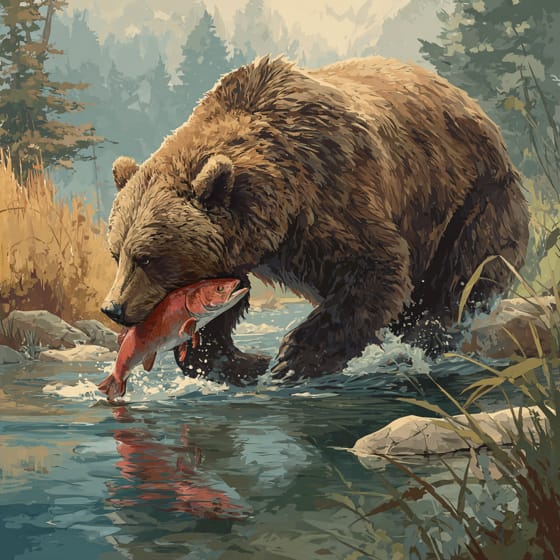
Ursus arctos
A favorite food source for grizzly bears.
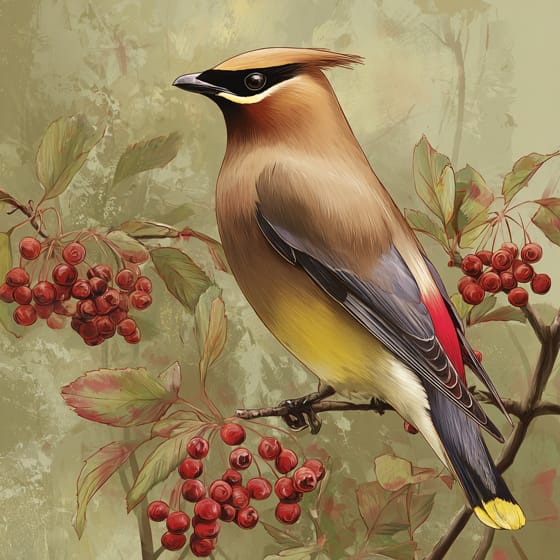
Bombycilla cedrorum
Birds like waxwings feast on its bright berries.

Odocoileus virginianus
Deer often browse on its leaves and twigs.
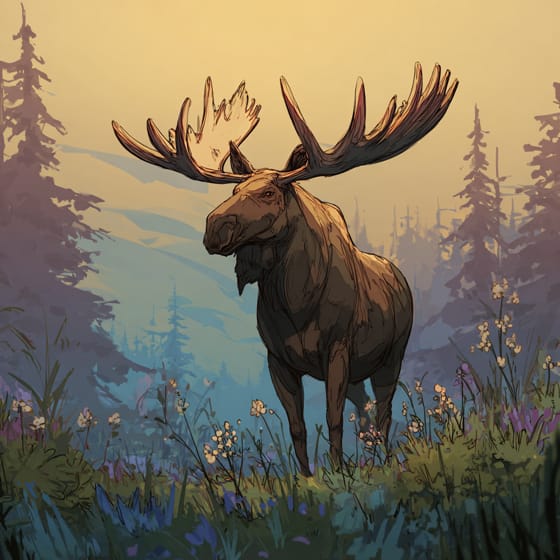
Alces alces
Moose browse on the foliage, especially in winter.
Deciduous plants periodically shed all their leaves, typically during autumn or dry seasons.
A shrub is a woody plant smaller than a tree, typically with multiple stems branching from or near the ground.
Fruit-bearing plants produce fruits, which are the mature ovaries of flowering plants containing seeds.
Colorful describes organisms or objects displaying a wide range of bright and distinct colors.

Edible plants are those parts of a plant that are considered safe for human consumption.

Grassland habitats are terrestrial biomes dominated by grasses and herbaceous plants, supporting a variety of grazing animals.

Describes plants that are particularly attractive and beneficial to a wide range of pollinating organisms.
No aliases listed yet.
Danger
1/5 · Very low
Do not eat berries unless an adult says they are safe.
The easiest way to identify Canadian buffalo-berry is to use the Snappit nature identifier app.
100-400 cm
100-300 cm
0.2-0.5 cm
Spring
Yes
None
Perennial
Zoom in to split clusters and explore where this object has been snapped.

Alaska, US
You might spot Cliff Swallow, Pretty Jacob's-Ladder, and Dwarf Fireweed.
View guide →

Michigan, US
You might spot Yellow Lady's Slipper and Ring-Billed Gull.
View guide →

Michigan, US
You might spot Bladder Campion, Bearberry, and Common Milkweed.
View guide →

Alaska, US
You might spot Moose, Devil's Club, and Red-Berried Elder.
View guide →

Colorado, US
You might spot Fireweed, Scentless Mayweed, and Quaking Aspen.
View guide →

Wyoming, US
You might spot Moose, Uinta Ground Squirrel, and American Bison.
View guide →
Take the discovery with you
Snap it with Snappit to identify it, learn what makes it special, and add the discovery to your collection.








.jpg&width=800)



_001.jpg&width=800)



