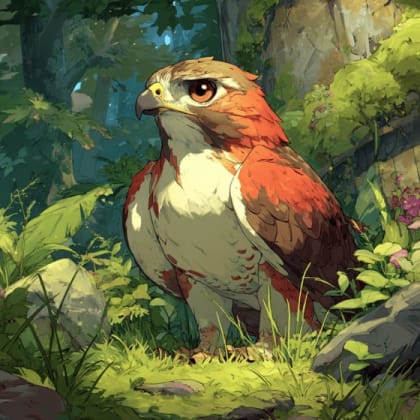





Red Tailed Hawk

Nestled in Devon, Pennsylvania, Jenkins Arboretum & Gardens is a breathtaking 48-acre botanical garden offering a tranquil escape into nature.
Nestled in Devon, Pennsylvania, Jenkins Arboretum & Gardens is a breathtaking 48-acre botanical garden offering a tranquil escape into nature. Free and open to the public daily, it serves as a cherished memorial and a leading example of ecological horticulture in America's Garden Capital region. Visitors can explore a unique ecosystem featuring varied terrain, microclimates, and meticulously maintained plant collections, all within a naturalistic woodland setting.
The arboretum boasts 1.2 to 1.5 miles of scenic trails, including paved paths, that meander through diverse habitats from shaded woodlands with native wildflowers to a grassy meadow culminating in a serene pond. It is renowned for possessing one of North America's most extensive collections of rhododendrons and azaleas, featuring nearly 5,000 individual plants representing 1,500 taxa, along with a significant collection of mountain laurels. The John J. Willaman Educational Center, a LEED Gold Certified building, further enriches the experience with its exhibits and a charming garden shop.
Jenkins Arboretum & Gardens provides a memorable experience throughout the year, captivating visitors with its vibrant spring blooms, dazzling fall foliage, and the subtle beauty of its winter landscape. It stands as a vital center for education, conservation, and community connection, promoting environmental stewardship and offering opportunities to learn about diverse plant life through informative signage and engaging programs. Whether seeking a peaceful stroll, photographic inspiration, or a deeper connection with nature, Jenkins Arboretum offers a truly enriching visit. Don't forget to bring the Snappit nature identification app along to scan local species.
Jenkins Arboretum & Gardens originated from a profound act of remembrance. It was established in 1968 by H. Lawrence Jenkins as a living memorial to his late wife, Elisabeth Jenkins, who harbored a deep love for nature and horticulture. Through his will, Mr. Jenkins designated his 20-acre property to be preserved in perpetuity as a public park, arboretum, and wildlife sanctuary. The arboretum's footprint significantly expanded in 1972 when a neighbor, Louisa P. Browning, generously donated an additional 26 acres of adjoining woodland, more than doubling its original size. The grounds officially opened to the public in 1976, coinciding with America's Bicentennial. Early analyses of the site's rocky, acidic soil guided the decision to focus on plants from the heath family, particularly rhododendrons and azaleas, which have since become cornerstone collections. The modern John J. Willaman Educational Center, a sustainable, LEED Gold Certified building, was later added in 2009, enhancing visitor services and educational offerings.
Enjoy a leisurely walk along the paved and natural trails, discover the nationally accredited collections of rhododendrons and mountain laurels, and observe native plants and wildlife. The arboretum provides ample opportunities for birdwatching. Educational programs, guided tours (including golf cart tours by request), yoga, and photography walks are often available. Picnics are welcome in designated areas like the Tree Canopy Deck.
January-March: Enjoy the structure of deciduous trees and evergreens, with witch hazels beginning to bloom.
April: Witness the emergence of spring ephemerals like bloodroot and trilliums, alongside the first wave of rhododendron and azalea blooms.
May: The "azalea and rhododendron show" continues, complemented by flowering dogwoods and mountain laurels.
June: Fragrant magnolias and swamp azaleas fill the air, with more flowers continuously blooming.
July-August: A busy time for pollinators and wildlife around the pond, with towering ironweed and swamp rosemallow in bloom.
September-October: Transition to fall colors, with asters and goldenrods blooming, and vibrant fall foliage developing.
Most of the 1.5 miles of trails are paved, making them generally accessible for wheelchairs and strollers, though some sections are steep. Benches are strategically placed throughout the gardens for resting. The Education Center has an accessible entrance. Docent-led golf cart tours are available by request for a fee for groups of up to 5 passengers. Sensory backpacks are available for loan. Service animals are permitted, but no other pets.
Don't miss Azalea Hill for its vibrant display, Elisabeth's Walk, the tranquil Pond Walk, and the diverse Woodland Walk. The John J. Willaman Educational Center features exhibits and a shop, and often hosts art exhibitions. Keep an eye out for the whimsical giant watering can sculptures near the Education Center.
Each card links to a full Explore page with photos, traits, and fun facts.
Start with the big picture, then zoom in to explore individual wildlife observations around this place.
Check Seasonal Hours
While the gardens are open daily from 9 AM to sunset, the closing time varies by season, and the Education Center has different hours. Always check the official website before your visit.
Wear Comfortable Shoes
The arboretum features both paved and natural trails, and includes some steep inclines and declines, so comfortable footwear is recommended.
Plan for Peak Blooms or Fall Foliage
To experience the most vibrant displays, aim to visit in late spring (April-May) for azalea and rhododendron blooms or in autumn (October) for spectacular fall colors.
Explore the Education Center
The John J. Willaman Educational Center offers interesting exhibits and a Garden Shop where you can find unique items and plants. It's also where you can inquire about accessible golf cart tours.
Bring Your Camera
The diverse plant life, picturesque pond, and varying landscapes provide excellent photographic opportunities in every season.
Support the Arboretum
Since admission is free, consider making a donation or becoming a member to help support the maintenance and educational programs of this valuable resource.
May 31, 2026
Photo attribution
(c) Brian White, some rights reserved (CC BY)
License: CC BY 4.0 ↗
Image may be shown cropped inside the card frame.
Jun 6, 2026
Jun 6, 2026
Jun 6, 2026
Jun 5, 2026

Maryland, US
You might spot White-Tailed Deer and Eastern Gray Squirrel.
View guide →
.jpg)
District of Columbia, US
You might spot Eastern Gray Squirrel, Duck, and House Sparrow.
View guide →

Illinois, US
You might spot American Robin, Canada Goose, and House Sparrow.
View guide →

Virginia, US
You might spot Spotted Lanternfly and Northern Cardinal.
View guide →
Take the discovery with you
Identify the wildlife you spot, learn as you go, and keep a collection of the adventure.































.jpg&width=800)
