_Sabine_Woods_TX_2018-04-28_07-15-04_(41479720584).jpg&width=800)





Chestnut-sided Warbler
Setophaga pensylvanica
The Chestnut-sided Warbler is a small, colorful bird that loves to sing. It has bright yellow and chestnut colors that make it stand out in the trees.
Habitat: Forests
The Chestnut-sided Warbler has a vibrant yellow cap and white underparts, strikingly contrasted by bold chestnut stripes along its sides. A distinct black eye-line extends from its beak, and white wing-bars stand out against its olive-green back, making it easily identifiable among other warblers.
Category
BirdsRarity
Common
Danger
1/5 · Very low
Snaps
16
Their cheerful song, often described as 'Pleased, pleased, pleased to MEATCHA!', is very distinct.
These tiny birds can eat over half their body weight in insects every single day!
They love bushy, disturbed areas, often appearing where old forests have been cut down.
Young Chestnut-sided Warblers look totally different, mostly yellow with no chestnut sides!
Chestnut-sided Warblers can hang upside down to snatch hidden insects from leaves and branches.
Chestnut-sided Warblers have two unique song types, helping them defend territory and attract mates.
Chestnut-sided Warblers can travel thousands of kilometers each year to find optimal food and weather.
These tiny birds mostly feast on small insects and spiders, sometimes snacking on berries too!

Accipiter striatus
Small raptors prey on adult warblers.
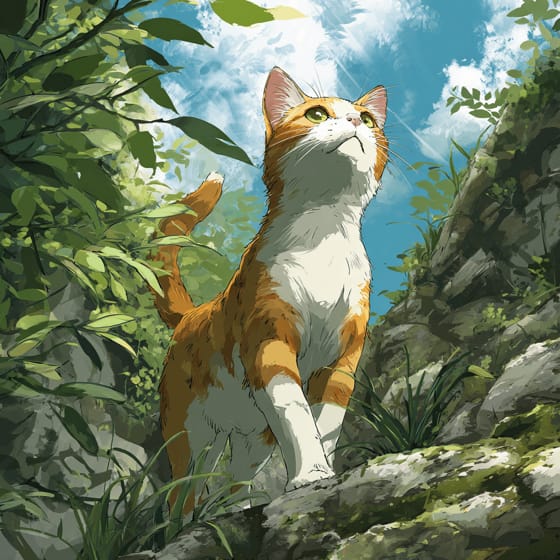
Felis catus
Free-roaming cats pose a significant threat to warblers.
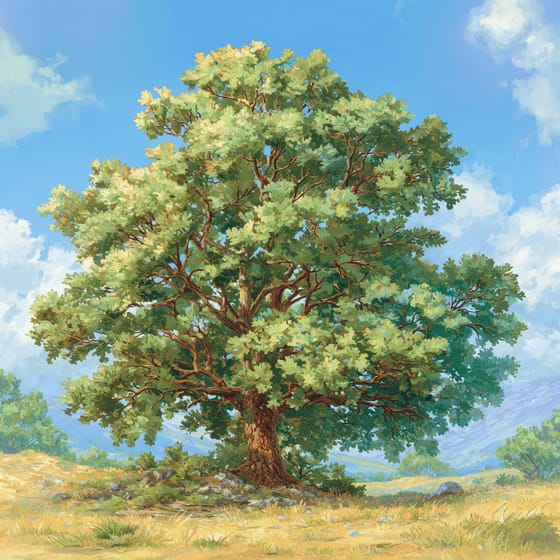
Quercus alba
Provides insects and nesting habitat in deciduous forests.

Acer rubrum
Used for foraging and nesting in many breeding habitats.
Feathered describes animals, primarily birds, possessing a covering of feathers.
Social animals live in organized groups, cooperating for survival benefits such as foraging, defense, and raising offspring.
Singing animals produce complex vocalizations, often for purposes of attracting mates, defending territory, or communicating within their species.
Colorful describes organisms or objects displaying a wide range of bright and distinct colors.

This trait identifies organisms whose diet primarily consists of insects and other small invertebrates.

Forest habitats are terrestrial environments dominated by dense tree cover, supporting a high diversity of plant and animal life.

Diurnal animals are primarily active during daylight hours, typically resting or sleeping at night.

Migratory animals undertake seasonal movements from one region to another, typically in response to changes in climate or food availability.
No aliases listed yet.
Danger
1/5 · Very low
Enjoy watching birds from a distance and don't disturb their nests.
The easiest way to identify Chestnut-sided Warbler is to use the Snappit nature identifier app.
11.5-13.5 cm
18-21 cm
0.008-0.013 kg
3-5 years
35 km/h
These tiny birds mostly feast on small insects and spiders, sometimes snacking on berries too!
Forests
Zoom in to split clusters and explore where this object has been snapped.

Florida, US
You might spot American Alligator, Brown Anole, and Red-Shouldered Hawk.
View guide →

Maine, US
You might spot Ghost Pipe, Pink Lady's Slipper, and Bluebead Lily.
View guide →
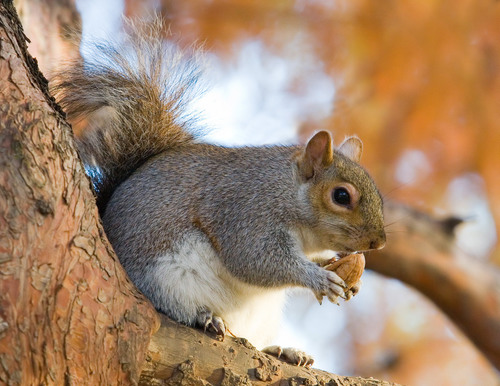
Illinois, US
You might spot Eastern Gray Squirrel, American Robin, and Duck.
View guide →

Pennsylvania, US
You might spot Spotted Lanternfly and Japanese Knotweed.
View guide →

West Virginia, US
You might spot Eastern Red-Backed Salamander and Wehrle's Salamander.
View guide →

Nebraska, US
You might spot Common Eastern Bumble Bee, Huron Skipper, and Monarch.
View guide →
Take the discovery with you
Snap it with Snappit to identify it, learn what makes it special, and add the discovery to your collection.




.jpg&width=800)






