





Coypu
Myocastor coypus
Coypus are large, furry animals that live near water. They have webbed feet and love to swim! You can often find them munching on plants by rivers and lakes.
Habitat: Wetlands
The Coypu is a large, semi-aquatic rodent with dense brown fur and a long, scaly tail. Its bright orange incisors, high-set eyes, and distinct white muzzle make it easily recognizable and different from a beaver or muskrat.
Category
MammalsRarity
Common
Danger
2/5 · Low
Snaps
1
Baby coypus can swim and eat plants just hours after they are born!
Coypus are also called nutria, which means 'otter' in Spanish.
They build floating nests from plants, sometimes big enough for a small person!
They make squeals, grunts, and even chattering noises to talk to each other.
Coypu can swim gracefully underwater because of its webbed hind feet that help it glide through water.
Coypu has strong, bright orange incisors that help them gnaw through tough plant stems and roots.
Coypu has high-set eyes, ears, and nostrils that help them see, hear, and breathe while mostly submerged.
Coypu can nurse its young while swimming because its nipples are located high on its flanks.
Coypus are veggie lovers, munching on roots, stems, and leaves of many different water plants.
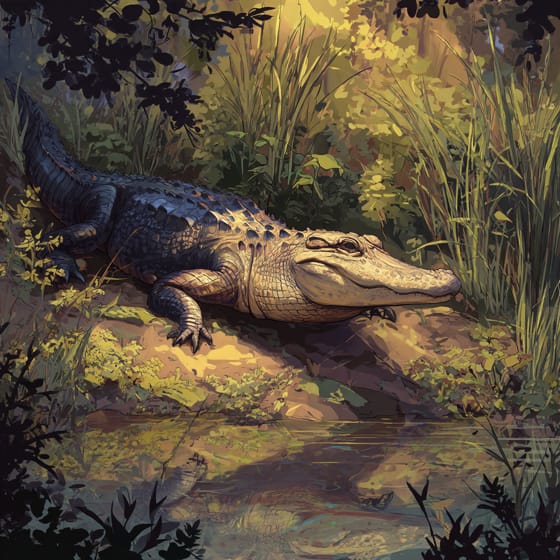
Alligator mississippiensis
Alligators hunt coypus in areas where their ranges overlap.

Canis latrans
Coyotes may prey on coypu, especially younger or smaller individuals.

Typha latifolia
Coypus eat the roots, stems, and leaves of cattail plants.

Phragmites australis
Coypus consume the stems and roots of common reeds, altering wetlands.
Furry describes animals possessing a dense covering of soft hair or fur.
Characterized by having toes connected by a membrane, typically aiding in swimming.
Social animals live in organized groups, cooperating for survival benefits such as foraging, defense, and raising offspring.
This trait characterizes organisms whose diet consists entirely or primarily of plant material.

This habitat trait identifies species found in wetlands, which are areas of land saturated with water, either permanently or seasonally, including marshes, swamps, and bogs.

Diurnal animals are primarily active during daylight hours, typically resting or sleeping at night.

Freshwater habitats include non-saline aquatic environments such as rivers, lakes, ponds, and wetlands, vital for numerous species.

Describes a species whose presence and role have a disproportionately large effect on its environment.
Danger
2/5 · Low
Always watch from a distance and don't try to touch wild animals like coypus.
The easiest way to identify Coypu is to use the Snappit nature identifier app.
40-60 cm
5-9 kg
3-6 years
15 km/h
Coypus are veggie lovers, munching on roots, stems, and leaves of many different water plants.
Wetlands
Foraging
Zoom in to split clusters and explore where this object has been snapped.

Oregon, US
You might spot Duck, Wood Duck, and Douglas Fir.
View guide →

Oregon, US
You might spot Western Sword Fern, Duck, and Black-Tailed Bumble Bee.
View guide →

Oregon, US
You might spot Mule Deer, Coypu, and Tree-Of-Heaven.
View guide →

Oregon, US
You might spot Great Egret, Great Blue Heron, and Bald Eagle.
View guide →
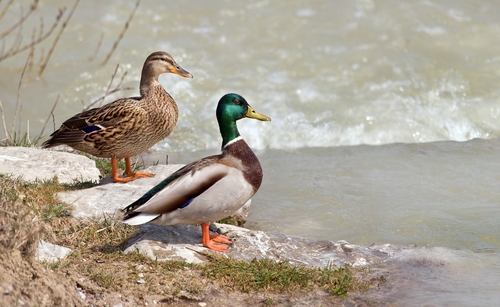
Oregon, US
You might spot Duck, Twinberry Honeysuckle, and Canada Goose.
View guide →

North Carolina, US
You might spot Baldcypress, Southern Cricket Frog, and Green Treefrog.
View guide →
Take the discovery with you
Snap it with Snappit to identify it, learn what makes it special, and add the discovery to your collection.




.jpg&width=800)


.JPG&width=800)


.jpg&width=800)
