_(25203076648).jpg&width=800)




Eastern Coral Bean
Erythrina herbacea
The Eastern Coral Bean is a colorful shrub with bright red flowers that attract hummingbirds. Its unique seed pods look like little beans and can be fun to spot in gardens and parks.
Habitat: Urban areas
The Eastern Coral Bean has striking, fiery red, tubular flowers clustered on tall spikes. Its leaves are typically three-lobed, and it produces dark brown seed pods containing bright, glossy scarlet seeds that are very eye-catching.
Category
PlantsRarity
Common
Danger
2/5 · Low
Snaps
9
Even if frozen to the ground, this tough plant can sprout back from its deep roots!
Its vibrant red seeds were once used by Native Americans to make colorful necklaces!
The beautiful, shiny red seeds are so hard, they can survive for many decades!
The name 'Erythrina' comes from a Greek word meaning 'red,' describing its fiery blooms!
Eastern Coral Bean has vibrant red flowers that act like a beacon, attracting hummingbirds to help with pollination.
Eastern Coral Bean can die back to the ground in winter or after fire, but regrows from its tough underground taproot.
Eastern Coral Bean has seeds containing powerful alkaloids that protect them from being eaten by many animals.

Archilochus colubris
visits for nectar, helping seed production
Apis mellifera
collects nectar and pollen from flowers
Terastia meticulosalis
larvae bore into stems and pods of the plant
Deciduous plants periodically shed all their leaves, typically during autumn or dry seasons.
Flowering plants are any plants that produce flowers as part of their reproductive cycle.
Describes organisms capable of converting atmospheric nitrogen into compounds usable by plants.
A shrub is a woody plant smaller than a tree, typically with multiple stems branching from or near the ground.

Summer blooming plants produce their flowers during the summer season, often providing vibrant color when many other plants have finished.

Colorful describes organisms or objects displaying a wide range of bright and distinct colors.

Describes plants that are particularly attractive and beneficial to a wide range of pollinating organisms.

This habitat trait indicates species that can coexist with humans in urban and suburban environments, utilizing man-made structures and green spaces.
Danger
2/5 · Low
While the plant is beautiful, it's best to look and not touch, as some parts can be harmful if eaten.
The easiest way to identify Eastern Coral Bean is to use the Snappit nature identifier app.
100-300 cm
100-200 cm
3-5 cm
Late winter to spring, sometimes summer
No
High
Perennial
Zoom in to split clusters and explore where this object has been snapped.

Texas, US
You might spot Eastern Fox Squirrel and Great-Tailed Grackle.
View guide →

US
You might spot Pond Slider, Black-Bellied Whistling-Duck, and Brown Anole.
View guide →

Louisiana, US
You might spot Mississippi River Wakerobin and Lyreleaf Sage.
View guide →

Florida, US
You might spot Eastern Redcedar, Fetterbush Lyonia, and Virginia Creeper.
View guide →
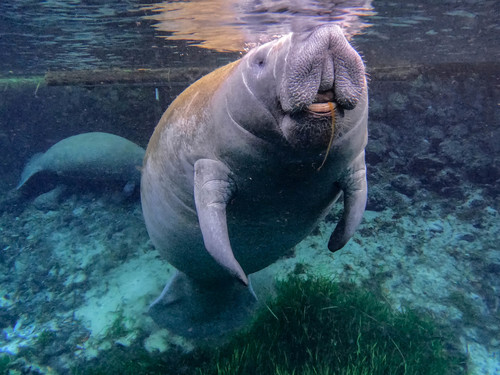
US
You might spot West Indian Manatee, Scarlet Skimmer, and Queen.
View guide →
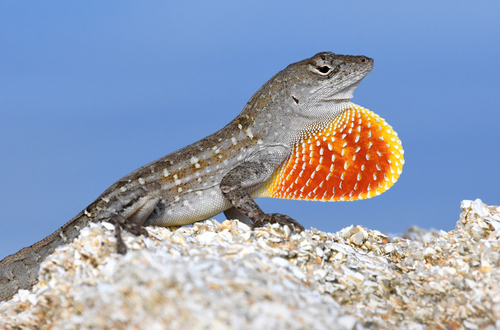
Florida, US
You might spot Brown Anole, Sanderling, and Great Southern White.
View guide →
Take the discovery with you
Snap it with Snappit to identify it, learn what makes it special, and add the discovery to your collection.







.jpg&width=800)



_001.jpg&width=800)




