





Large Maple Spanworm Moth
Prochoerodes lineola
The Large Maple Spanworm Moth is a beautiful moth with soft, fuzzy wings. It loves to flutter around trees, especially maple trees, and is most active at night.
Habitat: Forests
The Large Maple Spanworm Moth is typically yellowish-brown to reddish-brown, often with faint wavy or jagged lines across its wings. Its coloration and subtle patterns make it visually distinct in resembling weathered tree bark, providing excellent natural camouflage.
Category
InsectsRarity
Common
Danger
1/5 · Very low
Snaps
14
Adult Large Maple Spanworm Moths often don't eat at all, living off stored energy!
Its caterpillar is a 'looper,' moving like it's measuring the ground!
Many caterpillars can change skin color to match surroundings as they grow.
Some moths have 'ears' on their belly to detect bat sounds and escape!
Large Maple Spanworm Moth can disappear against tree bark because of its mottled wing patterns that helps them hide from predators.
Its caterpillars can devour many tree leaves because of strong chewing mouthparts that helps them grow fast.
Female moths can release invisible scents because of special glands that helps them attract mates from far away.
Adults usually don't eat, but their caterpillars feast on tree leaves to grow big!
Age differences: Larvae eat plant leaves, while adult moths typically do not feed.
Furry describes animals possessing a dense covering of soft hair or fur.
Solitary animals live alone for most of their lives, only interacting with others for mating or parental care.
Camouflaged describes organisms that possess coloring or patterns that allow them to blend into their environment.
This trait characterizes organisms whose diet consists entirely or primarily of plant material.

Forest habitats are terrestrial environments dominated by dense tree cover, supporting a high diversity of plant and animal life.

Nocturnal animals are primarily active during the nighttime hours, typically resting or sleeping during the day.

Describes organisms that transfer pollen, enabling the fertilization and reproduction of plants.
No aliases listed yet.
Danger
1/5 · Very low
Moths are usually harmless, but it's best to watch them from a distance.
The easiest way to identify Large Maple Spanworm Moth is to use the Snappit nature identifier app.
35-50 mm
10-15 mm
7-21 days
Adults usually don't eat, but their caterpillars feast on tree leaves to grow big!
Forests
Foraging
6
Zoom in to split clusters and explore where this object has been snapped.

Virginia, US
You might spot Eastern Box Turtle and White-Tailed Deer.
View guide →

Arkansas, US
You might spot Eastern Gray Squirrel and Asian Lady Beetle.
View guide →

Maryland, US
You might spot Crane-Fly Orchid, Fragile Forktail, and Ebony Jewelwing.
View guide →

Virginia, US
You might spot Spotted Lanternfly and Northern Cardinal.
View guide →

Maryland, US
You might spot Osprey, Duck, and Spotted Lanternfly.
View guide →
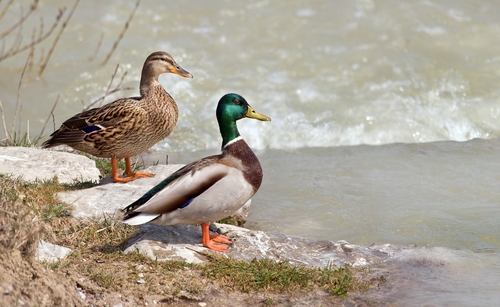
Maryland, US
You might spot Duck, American Toad, and Eastern Bluebird.
View guide →
Take the discovery with you
Snap it with Snappit to identify it, learn what makes it special, and add the discovery to your collection.









.jpg&width=800)



