





pin oak
Quercus palustris
The pin oak is a tall tree with beautiful, pointed leaves that turn bright colors in the fall. It provides shade and homes for many animals, making it a great tree for parks and gardens.
Habitat: Forests
The pin oak has distinctively deep-lobed, glossy green leaves that turn vibrant red or bronze in autumn. Its lower branches typically droop downwards, giving the tree a unique, somewhat layered appearance. Look for small, striped acorns.
Category
PlantsRarity
Common
Danger
1/5 · Very low
Snaps
6
Even in winter, you can spot its tiny, pointed buds waiting for spring!
Its wood is very strong and was once used for making tough railway ties!
Pin oaks can live over 120 years, growing as tall as a six-story building!
The "pin" in its name might refer to the short, stiff branches or tiny spurs.
Pin oak can thrive in wet, poorly drained soils because its shallow root system is adapted to low oxygen environments.
Pin oak has a rapid growth rate, allowing it to quickly establish itself and compete for sunlight in its habitat.
Pin oak produces abundant small acorns that feed many animals, helping to ensure its seeds are widely dispersed.
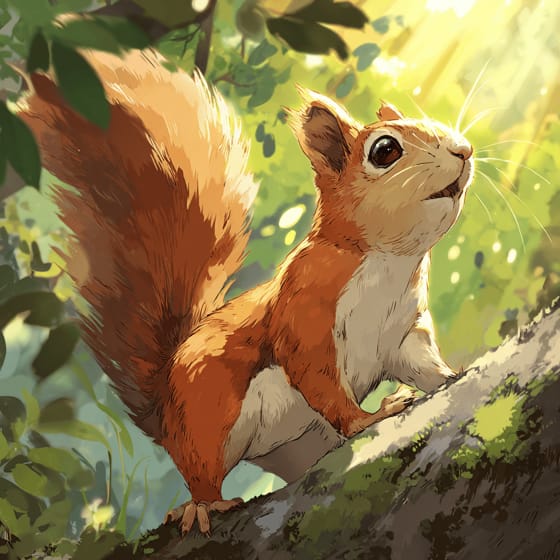
Sciurus carolinensis
buries and eats its acorns
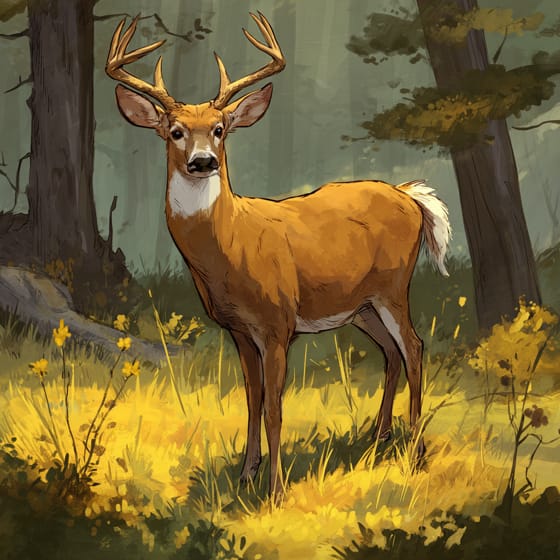
Odocoileus virginianus
browses its leaves and twigs
Anisota virginiensis
caterpillars feed on its leaves
Deciduous plants periodically shed all their leaves, typically during autumn or dry seasons.
Shade tolerant plants are adapted to grow and thrive in areas with low light levels, requiring less direct sunlight.
Broadleaf trees are angiosperms characterized by flat, wide leaves that are typically shed annually in temperate climates.
Nut bearing plants produce hard-shelled fruits, commonly known as nuts, which contain a single seed and are a valuable food source.

Fall color refers to the seasonal change in foliage pigmentation, primarily in deciduous plants, displaying vibrant hues.

Timber refers to wood that has been prepared for use in building and carpentry.

Forest habitats are terrestrial environments dominated by dense tree cover, supporting a high diversity of plant and animal life.

Describes a species whose presence and role have a disproportionately large effect on its environment.

Describes organisms that transfer pollen, enabling the fertilization and reproduction of plants.
No aliases listed yet.
Danger
1/5 · Very low
Stay away from the tree's branches and acorns, as they can fall and cause a bump!
The easiest way to identify pin oak is to use the Snappit nature identifier app.
1800-2200 cm
1200-1500 cm
Spring
No
Mild
Perennial
Wind
Zoom in to split clusters and explore where this object has been snapped.

New York, US
You might spot Common Eastern Bumble Bee and American Robin.
View guide →
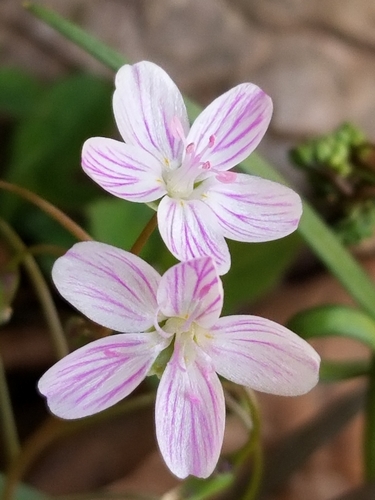
New Jersey, US
You might spot Virginia Springbeauty, Wineberry, and Multiflora Rose.
View guide →

New Jersey, US
You might spot Chinese Sumac, Porcelain Berry, and White-Tailed Deer.
View guide →

Kansas, US
You might spot Panthera Pardus Orientalis, Snow Leopard, and African Lion.
View guide →
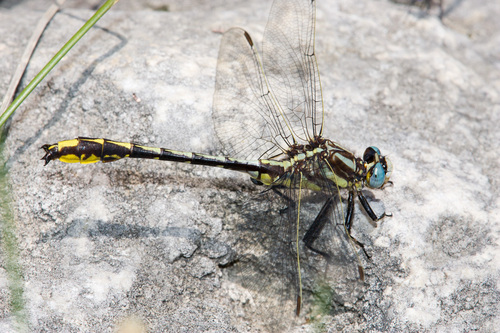
Ohio, US
You might spot Pronghorn Clubtail, Lark Sparrow, and Royal River Cruiser.
View guide →

US
You might spot American Robin, Red-Winged Blackbird, and Duck.
View guide →
Take the discovery with you
Snap it with Snappit to identify it, learn what makes it special, and add the discovery to your collection.







.jpg&width=800)


_001.jpg&width=800)



