.jpg&width=800)





possumhaw
Ilex decidua
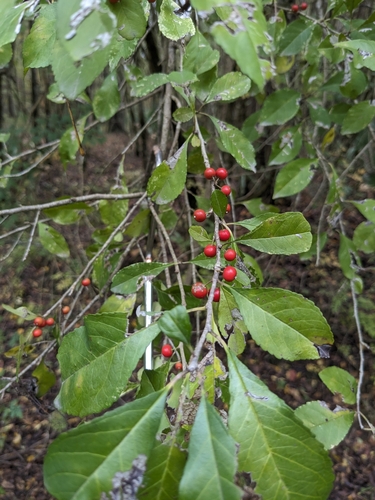
Possumhaw is a lovely shrub that grows bright red berries in the fall. Birds love to eat these berries, making it a special plant in nature.
Habitat: Wetlands
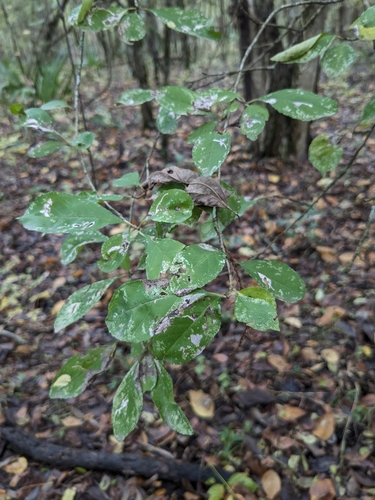
The possumhaw is a deciduous shrub or small tree with smooth, gray bark. It has small, inconspicuous white flowers in spring, followed by brilliant red to orange-red berries that persist on bare branches through winter, making it visually striking.
Category
PlantsRarity
Common
Danger
1/5 · Very low
Snaps
6
Even though its berries are bright and tasty for birds, they can cause an upset tummy for humans if eaten!
Its name 'possumhaw' comes from opossums eating its berries, especially during winter months!
Possumhaw is a great 'winter interest' plant, making bare landscapes pop with its cheerful red berries!
This plant is sometimes called 'Deciduous Holly' because it loses its leaves, unlike most other hollies!
Possumhaw has roots that can handle both very wet and very dry soils, helping it survive tricky changing environments.
Possumhaw berries cling to branches all winter, providing crucial food for birds and other animals when other sources are scarce.
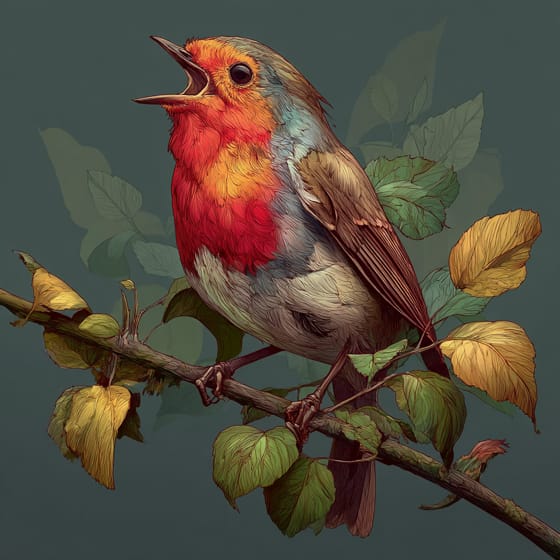
Turdus migratorius
eats its berries in winter
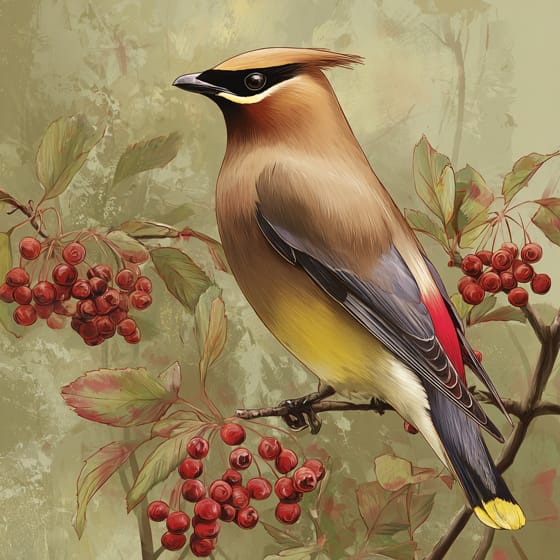
Bombycilla cedrorum
feasts on its abundant winter berries
Apis mellifera
collects nectar from its small spring flowers

Odocoileus virginianus
browses the twigs and leaves
Deciduous plants periodically shed all their leaves, typically during autumn or dry seasons.
A shrub is a woody plant smaller than a tree, typically with multiple stems branching from or near the ground.
Fruit-bearing plants produce fruits, which are the mature ovaries of flowering plants containing seeds.
Edible plants are those parts of a plant that are considered safe for human consumption.

Fall color refers to the seasonal change in foliage pigmentation, primarily in deciduous plants, displaying vibrant hues.

Describes plants that are particularly attractive and beneficial to a wide range of pollinating organisms.

This habitat trait identifies species found in wetlands, which are areas of land saturated with water, either permanently or seasonally, including marshes, swamps, and bogs.
No aliases listed yet.
Danger
1/5 · Very low
Always look but don't touch the berries, as some plants can be tricky!
The easiest way to identify possumhaw is to use the Snappit nature identifier app.
300-500 cm
200-400 cm
0.5-1 cm
Spring
No
Mild
Perennial
Zoom in to split clusters and explore where this object has been snapped.
Nov 16, 2023
Pomme de Terre Wildlife Management AreaPhoto attribution
(c) Jacob Saucier, some rights reserved (CC BY)
License: CC BY 4.0 ↗
Image may be shown cropped inside the card frame.
Nov 16, 2023
Pomme de Terre Wildlife Management AreaPhoto attribution
(c) Jacob Saucier, some rights reserved (CC BY)
License: CC BY 4.0 ↗
Image may be shown cropped inside the card frame.

Tennessee, US
You might spot North American River Otter and Sand Tiger Shark.
View guide →

Texas, US
You might spot Canada Goose, Duck, and Pond Slider.
View guide →

Texas, US
You might spot Queen, Texas Spiny Lizard, and Antelopehorn Milkweed.
View guide →

Tennessee, US
You might spot Pond Slider, Blue Phlox, and Mayapple.
View guide →
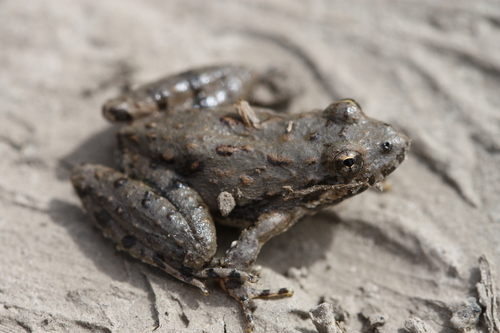
Louisiana, US
You might spot Blanchard's Cricket Frog and Indian Heliotrope.
View guide →

Texas, US
You might spot Northern Cardinal and American Alligator.
View guide →
Take the discovery with you
Snap it with Snappit to identify it, learn what makes it special, and add the discovery to your collection.








.jpg&width=800)



_001.jpg&width=800)



