.jpg&width=800)





Red-breasted Merganser
Mergus serrator
The Red-breasted Merganser is a beautiful duck with a striking red chest and a long, slender body. They love to dive underwater to catch fish and can be seen swimming in lakes and rivers.
Habitat: Coastal areas
The Red-breasted Merganser has a shaggy crest and a long, thin, reddish bill with a hooked tip. Males display a dark green head, a rusty-red chest band, and striking black and white body feathers. Females are more muted with a reddish-brown head and a less distinct crest.
Category
BirdsRarity
Common
Danger
1/5 · Very low
Snaps
12
Baby mergansers can dive and find their own food just a few days after hatching!
These ducks need a running start on the water to take off into flight, like an airplane!
They can stay underwater for nearly a full minute while hunting for fishy snacks!
Unlike most ducks, mergansers keep their wild, spiky hairdo even when diving!
Red-breasted Mergansers have special clear eyelids that act like goggles, helping them see perfectly while diving underwater.
Red-breasted Mergansers have a long, slender bill with saw-like edges that help them grip onto slippery fish in the water.
Red-breasted Mergansers have powerful webbed feet and a streamlined body that helps them chase and catch fast fish deep underwater.
These speedy swimmers mostly gobble up small fish, but also enjoy a few other aquatic critters!
Age differences: Young mergansers start with small aquatic insects before moving to larger fish.
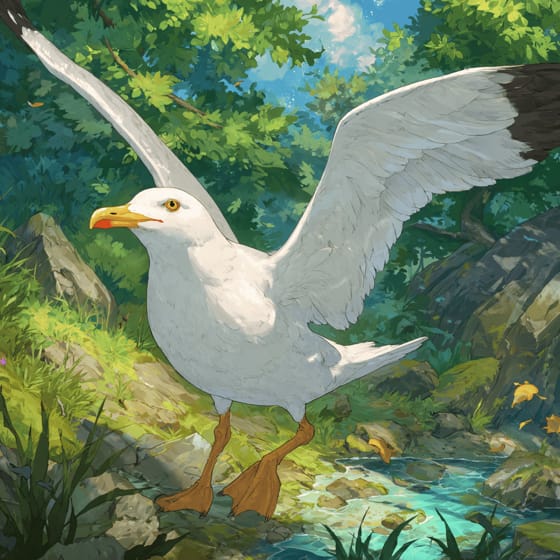
Larus argentatus
Preys on merganser eggs and young chicks.
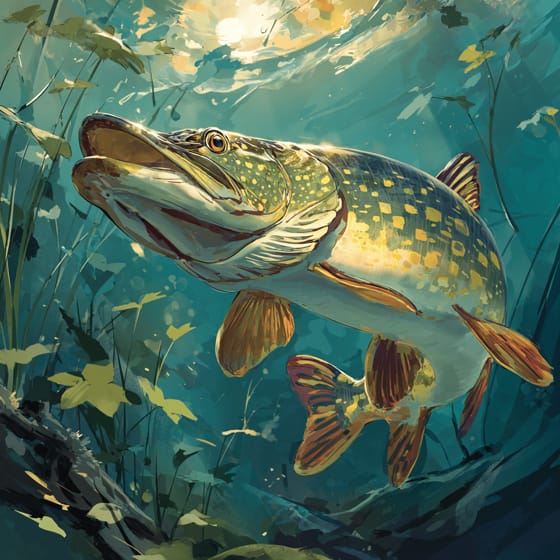
Esox lucius
Large pike may prey on merganser ducklings.
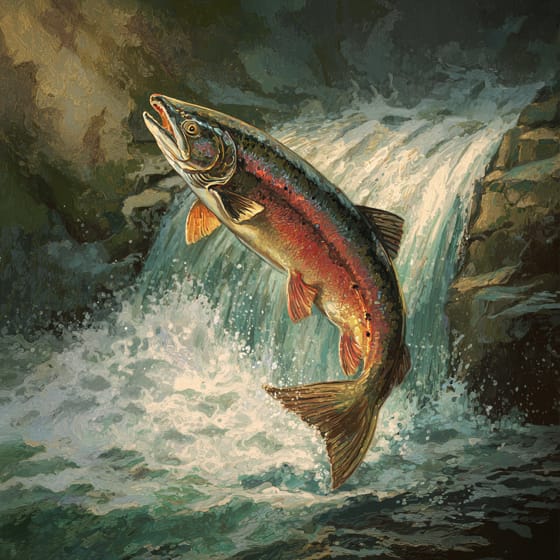
Salmo salar
Mergansers eat juvenile salmon, especially in river systems.
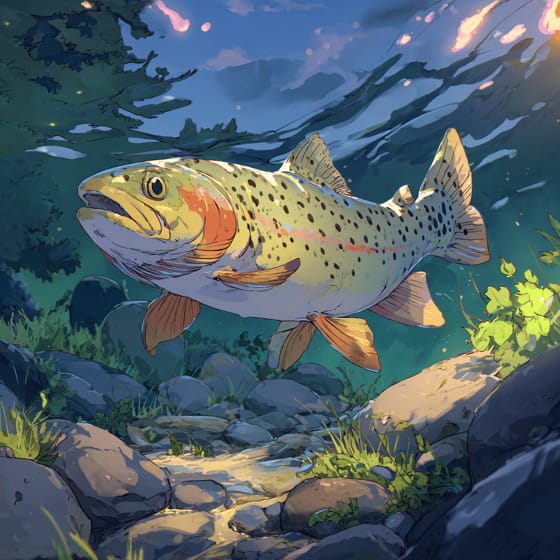
Oncorhynchus mykiss
They frequently prey on smaller trout in freshwater.
Feathered describes animals, primarily birds, possessing a covering of feathers.
Characterized by having toes connected by a membrane, typically aiding in swimming.
Social animals live in organized groups, cooperating for survival benefits such as foraging, defense, and raising offspring.
Colorful describes organisms or objects displaying a wide range of bright and distinct colors.

Filter feeders obtain nutrients by straining suspended food particles and small organisms from water.

Piscivorous organisms are animals that primarily subsist on a diet of fish.

Coastal habitats are dynamic environments located along the interface between land and sea, influenced by tides, waves, and saltwater.

Freshwater habitats include non-saline aquatic environments such as rivers, lakes, ponds, and wetlands, vital for numerous species.

This trait identifies organisms that exhibit exceptional swiftness in movement for hunting, escape, or travel.

Migratory animals undertake seasonal movements from one region to another, typically in response to changes in climate or food availability.
No aliases listed yet.
Danger
1/5 · Very low
Always watch birds from a distance and don't try to touch them.
The easiest way to identify Red-breasted Merganser is to use the Snappit nature identifier app.
51-62 cm
70-86 cm
0.7-1.4 kg
5-10 years
90 km/h
These speedy swimmers mostly gobble up small fish, but also enjoy a few other aquatic critters!
Coastal areas
Zoom in to split clusters and explore where this object has been snapped.

Ohio, US
You might spot Spotted Lanternfly and Eastern Fox Squirrel.
View guide →

Michigan, US
You might spot Yellow Lady's Slipper and Ring-Billed Gull.
View guide →

Connecticut, US
You might spot Brant, American Herring Gull, and Double-Crested Cormorant.
View guide →

Wisconsin, US
You might spot Common Eastern Bumble Bee, Red-Belted Bumble Bee, and Duck.
View guide →

Connecticut, US
You might spot Osprey, Monarch, and Common Reed.
View guide →

California, US
You might spot Sea Otter, Octopus, and Northern Sea Nettle.
View guide →
Take the discovery with you
Snap it with Snappit to identify it, learn what makes it special, and add the discovery to your collection.




.jpg&width=800)








