





Red-naped Sapsucker
Sphyrapicus nuchalis
The Red-naped Sapsucker is a special woodpecker with a bright red patch on its neck. It loves to drill holes in trees to drink sweet sap and catch bugs. These birds are known for their unique tapping sounds!
Habitat: Forests
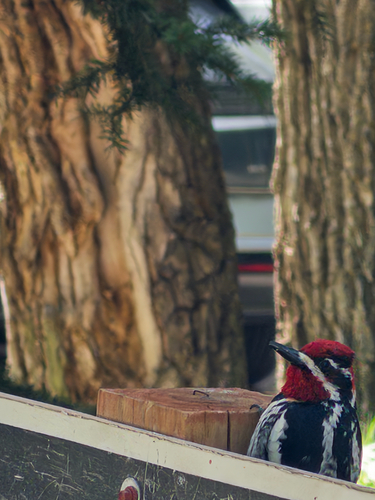
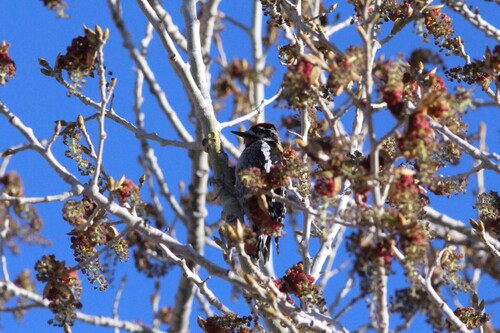
The Red-naped Sapsucker has a distinctive red patch on the back of its neck and forehead, a white stripe behind its eye, and a striking black-and-white barred back. A prominent white wing patch and yellowish belly help distinguish it from other woodpeckers.
Category
BirdsRarity
Common
Danger
1/5 · Very low
Snaps
6
Other birds, like hummingbirds, often "steal" sips from sapsucker sap wells!
Sapsuckers are like tree dentists, drilling tiny, perfect holes for sap!
Their tongue is extra long and brushy, perfect for sipping sweet tree juice!
They travel thousands of kilometers each year, from Canada to Mexico!
Red-naped Sapsucker has a brush-tipped tongue that helps them lap up sticky tree sap and tiny insects from their drilled wells.
Red-naped Sapsucker can tap unique rhythmic patterns on trees because this helps them communicate territorial claims to other birds.
Red-naped Sapsuckers mainly drink tree sap and eat insects, enjoying a sweet and buggy meal!
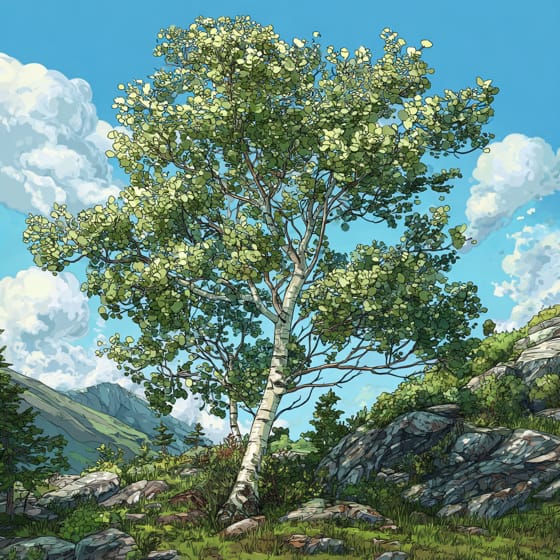
Populus tremuloides
Relies on these aspen trees for its vital sap wells.
.jpg&width=800)
Selasphorus rufus
Hummingbirds visit sap wells made by sapsuckers for energy.
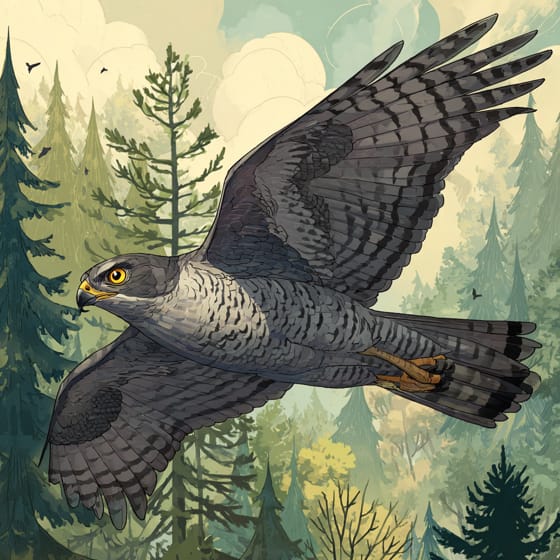
Accipiter gentilis
Often preyed upon by this agile forest hawk.
Formica fusca
Consumes ants and other insects attracted to the sugary sap.
Feathered describes animals, primarily birds, possessing a covering of feathers.
Social animals live in organized groups, cooperating for survival benefits such as foraging, defense, and raising offspring.
Colorful describes organisms or objects displaying a wide range of bright and distinct colors.
This trait identifies organisms whose diet primarily consists of insects and other small invertebrates.

This trait describes organisms that manipulate external objects to achieve a specific goal.

Forest habitats are terrestrial environments dominated by dense tree cover, supporting a high diversity of plant and animal life.

Diurnal animals are primarily active during daylight hours, typically resting or sleeping at night.

Describes a species whose presence and role have a disproportionately large effect on its environment.

Migratory animals undertake seasonal movements from one region to another, typically in response to changes in climate or food availability.
No aliases listed yet.
Danger
1/5 · Very low
Enjoy watching birds from a distance and don't disturb their homes.
The easiest way to identify Red-naped Sapsucker is to use the Snappit nature identifier app.
19-21 cm
33-38 cm
0.032-0.06 kg
7-10 years
45 km/h
Red-naped Sapsuckers mainly drink tree sap and eat insects, enjoying a sweet and buggy meal!
Forests
Zoom in to split clusters and explore where this object has been snapped.
May 27, 2026
Telluride Historic DistrictPhoto attribution
(c) Jim Gale, some rights reserved (CC BY)
License: CC BY 4.0 ↗
Image may be shown cropped inside the card frame.
Apr 22, 2026
Gallup Commercial Historic DistrictPhoto attribution
(c) William Harmon, some rights reserved (CC BY)
License: CC BY 4.0 ↗
Image may be shown cropped inside the card frame.

New Mexico, US
You might spot Tree Cholla, Colorado Pinyon, and House Finch.
View guide →

Wyoming, US
You might spot Elk, American White Pelican, and Arrowleaf Balsamroot.
View guide →

Colorado, US
You might spot Black-Billed Magpie and Twinberry Honeysuckle.
View guide →

New Mexico, US
You might spot Common Raven, House Sparrow, and Fourwing Saltbush.
View guide →

Montana, US
You might spot Columbian Ground Squirrel, Mule Deer, and Western Redcedar.
View guide →
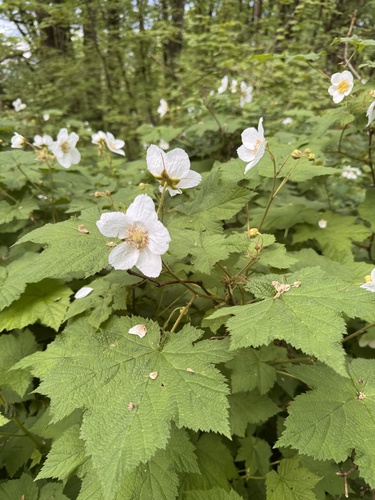
British Columbia, CA
You might spot Thimbleberry, Western Redcedar, and Red Osier Dogwood.
View guide →
Take the discovery with you
Snap it with Snappit to identify it, learn what makes it special, and add the discovery to your collection.




.jpg&width=800)






