





Seal
Phoca vitulina
Seals are playful marine mammals that love swimming and sunbathing on rocks. They have sleek bodies, flippers for swimming, and can hold their breath for a long time underwater.
Habitat: Coastal areas
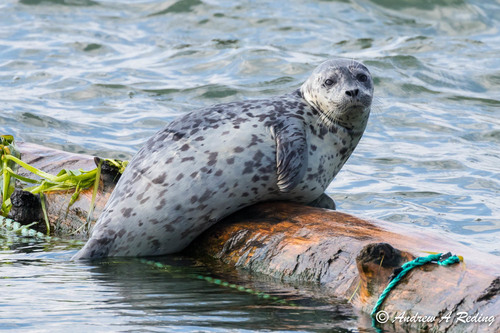
The Harbor Seal has a torpedo-shaped body, typically grey to brown with dark spots, helping it blend with rocks. It possesses a relatively small head with a dog-like snout and short, stubby front flippers, distinct from the longer flippers of sea lions.
Category
MammalsRarity
Common
Danger
2/5 · Low
Snaps
61
A group of seals resting on land is called a "rookery," but in water, they are a "raft."
Baby seals are born fully developed and can swim almost immediately after birth!
Harbor seals often sleep underwater, surfacing every few minutes to breathe without fully waking up.
They can close their nostrils and ears when diving to prevent water from entering their head.
Seal has a sleek, streamlined body and powerful hind flippers that propel it gracefully through the water at high speeds.
Seal can hold its breath for up to 30 minutes by slowing its heart rate, allowing it to dive deep for food.
Seal can detect prey by sensing subtle water vibrations using its sensitive whiskers, even in murky waters.
Seal has a thick layer of blubber that helps insulate its body and keep it warm in cold ocean waters.
These adaptable hunters enjoy a varied seafood diet, preying primarily on fish, but also crustaceans and cephalopods.

Orcinus orca
Orcas are top predators that hunt seals in coastal waters.

Carcharodon carcharias
Young seals can be vulnerable prey for large sharks.
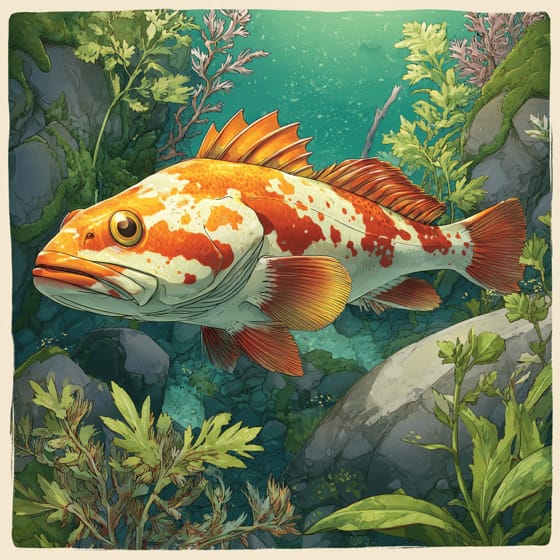
Gadus morhua
Seals commonly hunt various fish species like cod for food.

Clupea harengus
Herring are a primary food source for many seal populations.
Furry describes animals possessing a dense covering of soft hair or fur.
Characterized by having toes connected by a membrane, typically aiding in swimming.
Possessing prominent sensory hairs or vibrissae, often around the snout.
Social animals live in organized groups, cooperating for survival benefits such as foraging, defense, and raising offspring.

Piscivorous organisms are animals that primarily subsist on a diet of fish.

Thermoregulating organisms maintain a stable internal body temperature despite fluctuations in the external environment.

Coastal habitats are dynamic environments located along the interface between land and sea, influenced by tides, waves, and saltwater.

Marine habitats encompass all saltwater environments of the Earth's oceans, supporting an immense diversity of aquatic life.
Danger
2/5 · Low
Always observe seals from a safe distance and never try to touch or disturb them.
The easiest way to identify Seal is to use the Snappit nature identifier app.
120-195 cm
55-150 kg
25-30 years
35 km/h
These adaptable hunters enjoy a varied seafood diet, preying primarily on fish, but also crustaceans and cephalopods.
Coastal areas
Pursuit
Zoom in to split clusters and explore where this object has been snapped.

California, US
You might spot Peridot Sweat Bee and Western Fence Lizard.
View guide →

US
You might spot Bald Eagle, Common Raven, and Salmonberry.
View guide →

Washington, US
You might spot Great Blue Heron, Aggregating Anemone, and Ochre Sea Star.
View guide →

Alaska, US
You might spot Bald Eagle, Salmonberry, and Ochre Sea Star.
View guide →
British Columbia, CA
You might spot Harbor Seal, Evergreen Huckleberry, and Alumroots.
View guide →

British Columbia, CA
You might spot Bald Eagle, Great Blue Heron, and Seal.
View guide →
Take the discovery with you
Snap it with Snappit to identify it, learn what makes it special, and add the discovery to your collection.





.jpg&width=800)



.JPG&width=800)



.jpg&width=800)
