





Thirteen-lined Ground Squirrel
Ictidomys tridecemlineatus
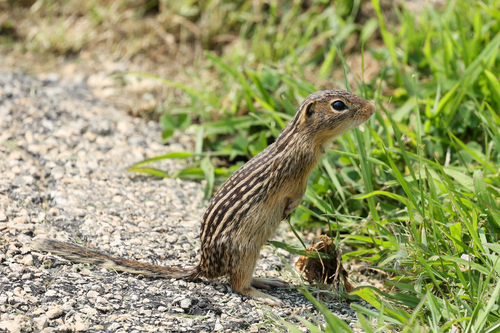
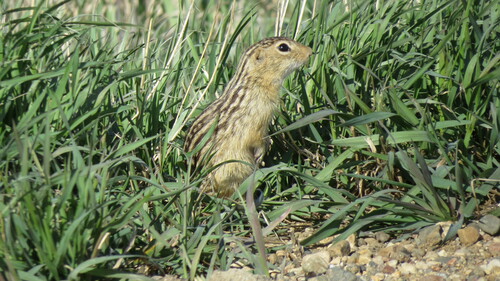
The Thirteen-lined Ground Squirrel is a small, lively animal with stripes on its back. They love to dig and play in the grass, making little burrows to live in.
Habitat: Grasslands
The Thirteen-lined Ground Squirrel is easily recognized by its slender brown fur covered in 13 alternating dark brown stripes and rows of light, cream-colored spots. Its small, pointed ears and short legs give it a sleek appearance.
Category
MammalsRarity
Common
Danger
1/5 · Very low
Snaps
15
Some people call them "striped gophers" because they live underground!
Their cheek pouches can stretch huge to carry lots of collected snacks.
These squirrels can run in a zig-zag pattern to confuse quick predators.
They can enter a deep sleep called torpor even during summer's heat!
Thirteen-lined Ground Squirrels can hibernate for over half a year, slowing their body to survive cold winters without food.
Thirteen-lined Ground Squirrels can dig extensive burrows underground, which provide safe homes and escape routes.
Thirteen-lined Ground Squirrels have a sharp, high-pitched whistle that helps them warn others of danger.
These omnivores munch on seeds, insects, and plants, keeping their energy up for active days!
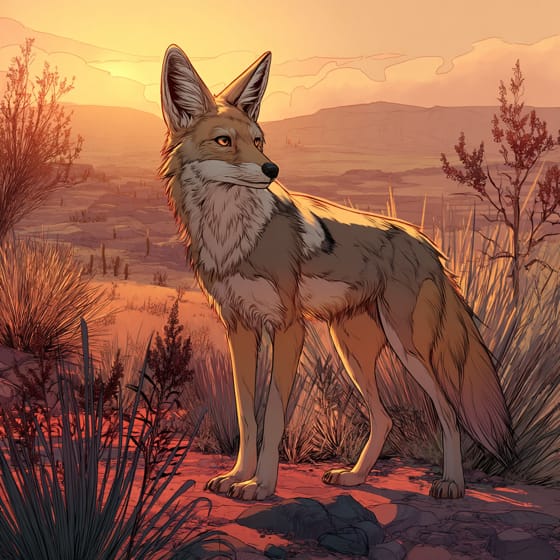
Canis latrans
A common predator in grassland habitats.
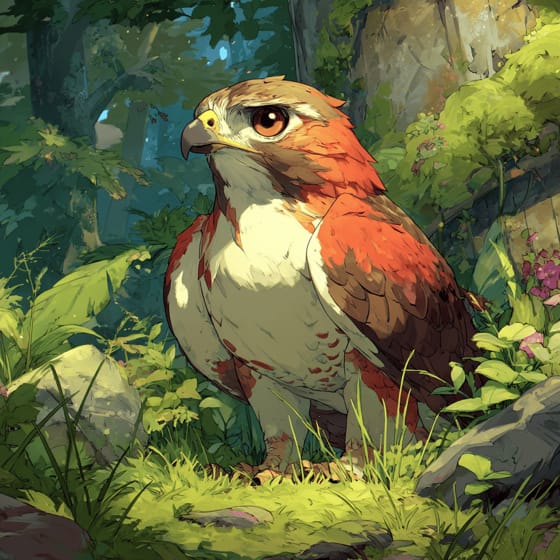
Buteo jamaicensis
Hunts ground squirrels from above in open fields.
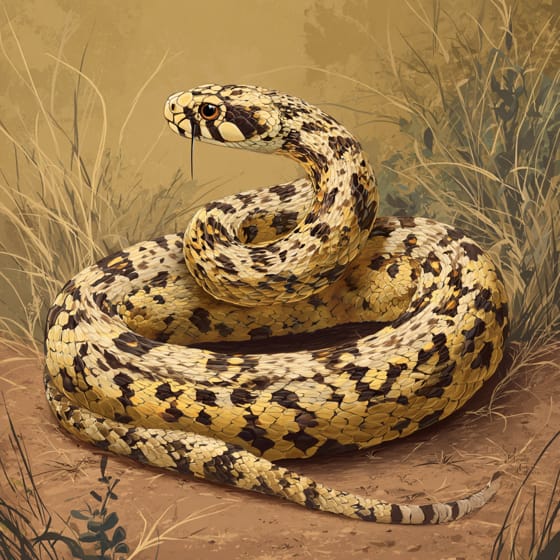
Pituophis catenifer
Preys on squirrels and their young in burrows.
_-_Killarney%2C_Ontario_01.jpg&width=800)
Melanoplus bivittatus
Feeds on various insects, including grasshoppers.
Zea mays
Opportunistically eats seeds from agricultural crops.
Furry describes animals possessing a dense covering of soft hair or fur.
Marked with parallel bands or lines of color.
Social animals live in organized groups, cooperating for survival benefits such as foraging, defense, and raising offspring.
Burrowing animals dig tunnels and chambers in the ground, using these subterranean structures for shelter, hunting, or breeding.

Grassland habitats are terrestrial biomes dominated by grasses and herbaceous plants, supporting a variety of grazing animals.

This trait characterizes organisms whose diet consists entirely or primarily of plant material.

Diurnal animals are primarily active during daylight hours, typically resting or sleeping at night.
No aliases listed yet.
Danger
1/5 · Very low
Watch from a distance and don't try to touch them, as they can be shy.
The easiest way to identify Thirteen-lined Ground Squirrel is to use the Snappit nature identifier app.
17-30 cm
0.11-0.25 kg
2-5 years
20 km/h
These omnivores munch on seeds, insects, and plants, keeping their energy up for active days!
Grasslands
Foraging
Zoom in to split clusters and explore where this object has been snapped.
Aug 3, 2025
Scales Mound Historic DistrictPhoto attribution
(c) Tom Field, some rights reserved (CC BY)
License: CC BY 4.0 ↗
Image may be shown cropped inside the card frame.
Apr 22, 2024
DanebodPhoto attribution
(c) Dani Alba, some rights reserved (CC BY)
License: CC BY 4.0 ↗
Image may be shown cropped inside the card frame.

South Dakota, US
You might spot Duck, Canada Goose, and Thirteen-Lined Ground Squirrel.
View guide →

Illinois, US
You might spot Osage-Orange, Cutleaf Teasel, and Red Clover.
View guide →

Nebraska, US
You might spot Lark Sparrow, Rock Wren, and Scarlet Globemallow.
View guide →

North Dakota, US
You might spot Red Panda, Pallas's Cat, and Sichuan Takin.
View guide →

South Dakota, US
You might spot Japanese Macaque, Tiger, and Snow Leopard.
View guide →

Nebraska, US
You might spot Rock Pigeon, Alfalfa, and House Sparrow.
View guide →
Take the discovery with you
Snap it with Snappit to identify it, learn what makes it special, and add the discovery to your collection.




.jpg&width=800)


.JPG&width=800)
.jpg&width=800)
