





Western Tiger Salamander
Ambystoma mavortium
The Western Tiger Salamander is a cool, spotted amphibian that loves to live in wet areas. It has a smooth, shiny skin and can be black or dark brown with bright yellow or white spots!
Habitat: Wetlands
The Western Tiger Salamander is a large, stout-bodied amphibian with a broad head. It has a dark background color, typically black or dark brown, covered with striking irregular yellow or olive-green blotches and bars. This vibrant pattern makes it easily recognizable.
Category
AmphibiansRarity
Common
Danger
1/5 · Very low
Snaps
7
Their larvae are fierce underwater predators, often eating other tadpoles and smaller salamanders!
They are one of the largest land-dwelling salamanders found across North America!
They can secrete a milky toxin from their skin as a defense against hungry predators!
Tiger salamanders sometimes eat each other, especially when food is scarce in their ponds!
Western Tiger Salamander can regrow lost limbs, tails, and even damaged organs, helping them recover from injuries.
Western Tiger Salamander has strong front limbs that help them dig deep burrows for shelter and escape from predators.
Western Tiger Salamander can remain a gilled, water-dwelling larva and reproduce, adapting to stay aquatic in certain conditions.
Western Tiger Salamander uses a quick, sticky tongue to snatch insects and other small prey with surprising speed.
These hungry amphibians eat almost anything smaller than them, from insects to other amphibians!
Age differences: Larvae are aquatic and eat aquatic invertebrates, while adults are terrestrial and eat a wider range of land-based prey.
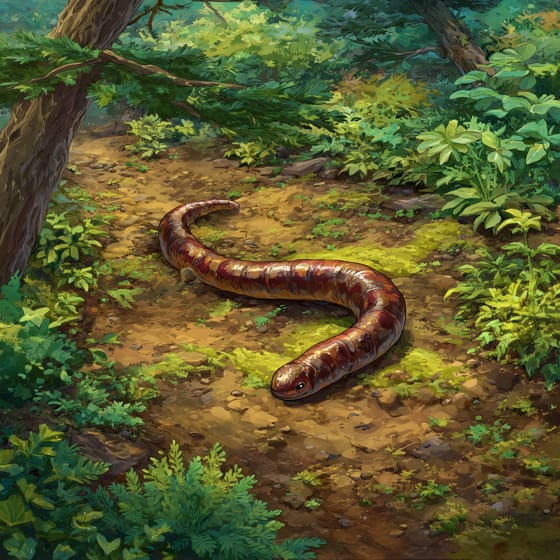
Lumbricus terrestris
A primary food source for foraging salamanders.

Thamnophis sirtalis
Salamanders are prey for various snake species.

Procyon lotor
Mammalian predators dig up salamanders from burrows.
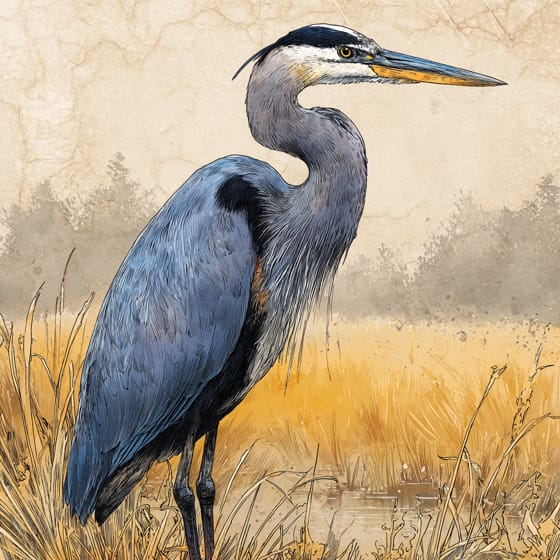
Ardea herodias
Larvae and emerging adults are vulnerable to wading birds.
Marked with spots or patches of a different color.
Burrowing animals dig tunnels and chambers in the ground, using these subterranean structures for shelter, hunting, or breeding.
This trait identifies organisms whose diet primarily consists of insects and other small invertebrates.
This habitat trait identifies species found in wetlands, which are areas of land saturated with water, either permanently or seasonally, including marshes, swamps, and bogs.

This trait identifies organisms whose diet consists entirely or primarily of animal tissue.

Threatened status denotes a species likely to become endangered in the foreseeable future without effective conservation interventions.

Nocturnal animals are primarily active during the nighttime hours, typically resting or sleeping during the day.
No aliases listed yet.
Danger
1/5 · Very low
Always wash your hands after touching any salamander, as they can be sensitive to chemicals.
The easiest way to identify Western Tiger Salamander is to use the Snappit nature identifier app.
15-33 cm
0.03-0.2 kg
10-16 years
0.5 km/h
These hungry amphibians eat almost anything smaller than them, from insects to other amphibians!
Wetlands
Ambush
Zoom in to split clusters and explore where this object has been snapped.

Texas, US
You might spot Texas Hedgehog Cactus, Ornate Tree Lizard, and Cactus Wren.
View guide →

Colorado, US
You might spot Black-Billed Magpie and Twinberry Honeysuckle.
View guide →

Nebraska, US
You might spot Purple Martin, Prairie Rattlesnake, and Lesser Scaup.
View guide →

Wyoming, US
You might spot Killdeer, American Kestrel, and Northern Flicker.
View guide →
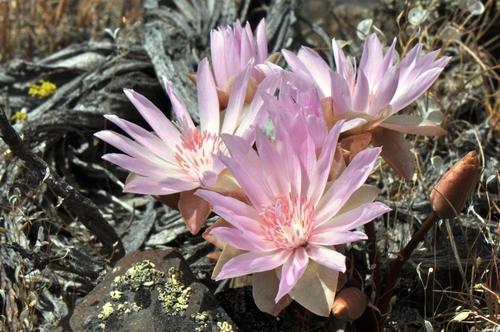
British Columbia, CA
You might spot Bitterroot, Arrowleaf Balsamroot, and Western Stoneseed.
View guide →

Utah, US
You might spot Great Basin Bristlecone Pine and Blue Columbine.
View guide →
Take the discovery with you
Snap it with Snappit to identify it, learn what makes it special, and add the discovery to your collection.









.JPG&width=800)



.jpg&width=800)

