_(19730267073).jpg&width=800)





Woodhouse's Scrub-Jay
Aphelocoma woodhouseii
Woodhouse's Scrub-Jay is a cheerful bird with bright blue feathers and a curious personality. They love to hop around in bushes and trees, looking for tasty bugs and seeds to eat.
Habitat: Scrublands
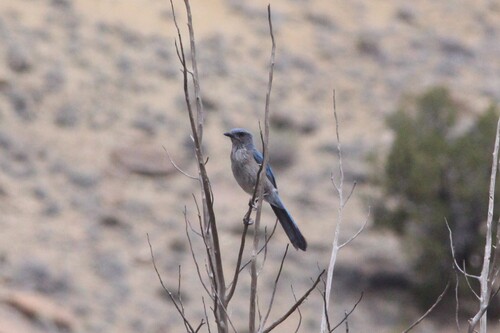
The Woodhouse's Scrub-Jay has a plain blue head, wings, and tail, with a contrasting grey back and creamy white underparts. It lacks any crest or markings on its head, distinguishing its sleek, unpatterned blue from other jay species.
Category
BirdsRarity
Common
Danger
1/5 · Very low
Snaps
9
These smart birds have been observed using tools to get tricky food.
They can fly directly into thick bushes at top speed without getting hurt.
They can recognize individual human faces and remember them for years!
Young jays sometimes stay with their parents to help raise new siblings.
Woodhouse's Scrub-Jay can remember thousands of food caches because of an incredible spatial memory that helps them survive harsh winters.
Woodhouse's Scrub-Jay has a habit of burying acorns that helps them spread oak trees by forgetting some of their hidden treasures.
Woodhouse's Scrub-Jay can use a variety of calls because of complex vocalizations that help them warn others of danger.
These omnivores munch on nuts, seeds, fruits, and insects, even hunting small critters!

Quercus gambelii
Acorns are a crucial food source and spread by jays.

Juniperus osteosperma
Provides safe nesting sites and protection from predators.
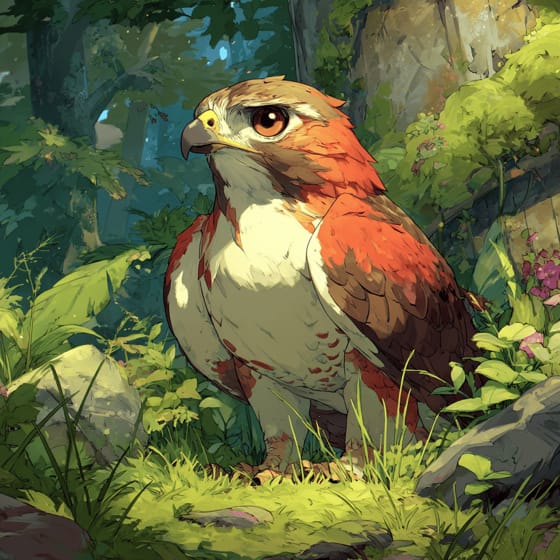
Buteo jamaicensis
A common aerial predator of adult scrub-jays.
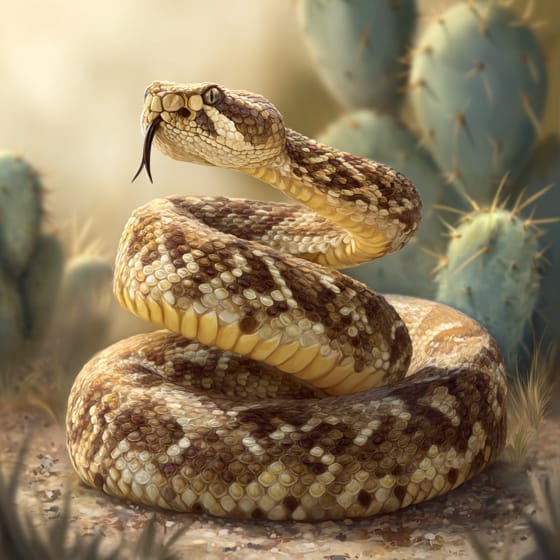
Crotalus atrox
May prey on eggs or nestlings if nests are accessible.
Feathered describes animals, primarily birds, possessing a covering of feathers.
Social animals live in organized groups, cooperating for survival benefits such as foraging, defense, and raising offspring.
This trait identifies organisms whose diet includes both plant and animal matter.
Colorful describes organisms or objects displaying a wide range of bright and distinct colors.

This trait identifies organisms whose diet primarily consists of insects and other small invertebrates.

This trait describes organisms that manipulate external objects to achieve a specific goal.

Diurnal animals are primarily active during daylight hours, typically resting or sleeping at night.

Describes a species whose presence and role have a disproportionately large effect on its environment.
Danger
1/5 · Very low
Enjoy watching birds from a distance and don't try to touch them.
The easiest way to identify Woodhouse's Scrub-Jay is to use the Snappit nature identifier app.
25-29 cm
38-46 cm
0.07-0.1 kg
8-16 years
45 km/h
These omnivores munch on nuts, seeds, fruits, and insects, even hunting small critters!
Scrublands
Zoom in to split clusters and explore where this object has been snapped.
May 4, 2026
Gallup Commercial Historic DistrictPhoto attribution
(c) William Harmon, some rights reserved (CC BY)
License: CC BY 4.0 ↗
Image may be shown cropped inside the card frame.

New Mexico, US
You might spot Tree Cholla, Colorado Pinyon, and House Finch.
View guide →

Utah, US
You might spot Common Golden-Mantled Ground Squirrel and Steller's Jay.
View guide →

New Mexico, US
You might spot Tree Cholla, Colorado Pinyon, and Apache Plume.
View guide →

Arizona, US
You might spot Elk, Rock Squirrel, and Common Raven.
View guide →

New Mexico, US
You might spot Common Raven, House Sparrow, and Fourwing Saltbush.
View guide →

Colorado, US
You might spot Mule Deer, Woodhouse's Scrub-Jay, and Black-Billed Magpie.
View guide →
Take the discovery with you
Snap it with Snappit to identify it, learn what makes it special, and add the discovery to your collection.




.jpg&width=800)








