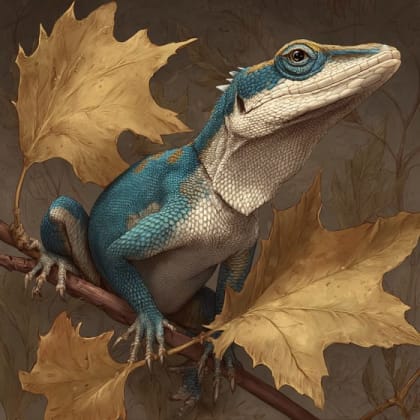





Anole

Graniteville Historic District offers a unique window into the early industrialization of the American South.
Graniteville Historic District offers a unique window into the early industrialization of the American South. This National Historic Landmark District preserves one of the first and most comprehensively planned textile mill villages in the United States, showcasing a fascinating blend of history and architecture. It stands as a testament to William Gregg's visionary efforts to industrialize the South in the mid-19th century.
Visitors can explore the original Graniteville Mill, built from local blue granite, which was the first cotton mill in the South and remarkably survived Sherman's march during the Civil War. The district also features a collection of beautifully preserved Carpenter Gothic worker houses, the historic Graniteville Academy, and early churches, all designed with a distinctive architectural continuity that makes Graniteville an ornate example of a mill village. The meticulously planned layout of the village, including the original canal system, provides an immersive experience into the daily life and operations of a 19th-century industrial community.
Stepping into Graniteville Historic District is like traveling back in time, offering an unparalleled opportunity to understand the social and economic fabric of an antebellum industrial town. It's a place where history comes alive through its well-preserved structures and planned landscape, leaving visitors with a deep appreciation for its enduring legacy and the foresight of its founder, William Gregg. The area provides a tranquil setting for walking and exploring, inviting contemplation on the origins of Southern industry. Enhance your adventure: download the Snappit app to identify the local species you encounter.
Architectural History
Take a self-guided walking tour to admire the distinct Carpenter Gothic architecture of the mill houses and public buildings. Look for historical markers that provide context about William Gregg and the mill's operations. Explore Gregg Park for recreational activities. The Horse Creek-Midland Valley Museum nearby offers further local history exhibits.
South Carolina summers can be hot and humid, so plan visits during cooler parts of the day if visiting in summer. Fall brings colorful foliage, while spring offers mild temperatures and blooming flora.
The district is generally accessible for walking, with well-maintained paths and streets. Gregg Park Civic Center specifically notes accessibility features including wheelchair access and paved walkways. Individual historic homes are private residences, so interior access is not generally available.
The Graniteville Mill building and its impressive granite construction, the surviving Carpenter Gothic worker houses on Gregg Street (also known as "Blue Row"), the historic Graniteville Academy building, St. John's Methodist Church, and the remnants of the original power canal. Don't miss Gregg Park, a civic center and park that also contributes to the town's community feel.
Each card links to a full Explore page with photos, traits, and fun facts.
Start with the big picture, then zoom in to explore individual wildlife observations around this place.
Wear comfortable shoes for walking, as the best way to experience the district is on foot.
Bring a camera to capture the unique Carpenter Gothic architecture of the homes and the impressive Graniteville Mill.
Look for historical markers placed throughout the district to learn more about specific buildings and the town's history.
Consider visiting the nearby Horse Creek-Midland Valley Museum to deepen your understanding of the local area's industrial past.
Respect the privacy of residents in the historic mill houses, as they are private homes.
Pack water and snacks, especially during warmer months, as amenities within the immediate historic residential areas might be limited.
May 8, 2026
May 7, 2026
Apr 26, 2026
Apr 10, 2026
Apr 9, 2026

Maryland, US
You might spot White-Tailed Deer and Eastern Gray Squirrel.
View guide →
.jpg)
District of Columbia, US
You might spot Eastern Gray Squirrel, Duck, and House Sparrow.
View guide →

Illinois, US
You might spot American Robin, Canada Goose, and House Sparrow.
View guide →

Virginia, US
You might spot Spotted Lanternfly and Northern Cardinal.
View guide →
Take the discovery with you
Identify the wildlife you spot, learn as you go, and keep a collection of the adventure.



















.jpg&width=800)
