Eastern Gray Squirrel

Lexington Cemetery is a historic arboretum and tranquil sanctuary in the heart of Kentucky.
Lexington Cemetery is a historic arboretum and tranquil sanctuary in the heart of Kentucky. More than just a cemetery, this 170-acre rural "garden cemetery" is a nationally recognized arboretum, blending history, horticulture, and artistic landscape design into a uniquely serene visitor experience. It offers a peaceful retreat where the natural beauty of meticulously maintained grounds complements the rich historical narratives held within its boundaries.
The grounds are a living botanical collection, home to over 200 species of trees, including majestic dogwoods, vibrant magnolias, delicate crabapples, and picturesque weeping cherries. In spring, the cemetery transforms with the bloom of 16,000 tulips, creating a spectacular display of color. Visitors can explore winding paths that meander past three picturesque ponds, often frequented by ducks and geese, and discover beautifully curated formal flower gardens. It is also a significant haven for birdwatchers, with 179 bird species identified within its boundaries.
This living historical landscape invites peaceful contemplation and discovery, offering self-guided tours that highlight its horticultural beauty, architectural design, and layered stories, particularly those from the Civil War era. Whether you seek a quiet stroll among ancient trees, wish to pay respects at significant historical markers, or simply desire to immerse yourself in nature's beauty, Lexington Cemetery provides a memorable and enriching escape for all who visit. Explore the grounds like a pro—download the Snappit app to instantly identify animals and plants.
Lexington Cemetery was established in 1848, officially opening with its first interment in 1849. Its creation was a direct response to the critical need for more burial space in the rapidly growing city, exacerbated by the devastating 1833 cholera epidemic that highlighted the public health concerns of overcrowded churchyards and family plots. Prominent local citizens, including statesman Henry Clay, championed its development. The cemetery was designed as a rural or garden cemetery, a popular concept in the 19th century that integrated natural landscapes with memorialization. Its initial layout on 40 acres of what was known as Boswell's Woods was significantly influenced by its first general manager, Charles S. Bell, and landscape designer John Lutz, who drew inspiration from contemporary cemetery design principles. Over the years, the cemetery expanded to its current 170 acres. Notably, during the American Civil War, the cemetery maintained political neutrality, establishing separate "soldiers' grounds" for both Union and Confederate troops, and later becoming home to the Lexington National Cemetery, which originated in 1861.
Take a leisurely stroll along the eight miles of paved roads. Pick up a free map at the office for self-guided tours highlighting historical and horticultural points of interest. Enjoy birdwatching; the cemetery is a recognized bird sanctuary. Appreciate the seasonal floral displays, particularly the tulips and cherry blossoms in spring.
In addition to spring blooms and fall colors, the tranquil water features and varied tree species provide beauty year-round.
All paths within the cemetery are paved, making them suitable for walking and wheelchair access. The main office building also offers ramps, an elevator, and handicap-accessible restrooms.
The towering Henry Clay Monument, a 120-foot column topped with a statue of Clay, is a prominent landmark. Explore the Lexington National Cemetery, a distinct circular burial area within the grounds. Seek out the graves of other notable figures such as U.S. Vice President John C. Breckinridge, legendary University of Kentucky basketball coach Adolph Rupp, and actor Jim Varney. Don't miss the picturesque three lakes, the formal gardens, and the diverse collection of over 200 tree species.
Each card links to a full Explore page with photos, traits, and fun facts.
Start with the big picture, then zoom in to explore individual wildlife observations around this place.
Get a Map
Stop by the main office to pick up a free map and pamphlets. These resources are invaluable for navigating the extensive grounds and locating notable graves and horticultural features.
Wear Comfortable Shoes
With 170 acres and miles of paved paths to explore, comfortable footwear is essential for an enjoyable visit.
Visit in Spring for Blooms
To experience the cemetery at its most colorful, plan your visit for late March to mid-April when the cherry blossoms and 16,000 tulips are in full bloom.
Observe Speed Limits
If driving, adhere strictly to the 20 mph speed limit within the cemetery roads and be mindful of pedestrians.
Photography Etiquette
While personal photography is encouraged, note that commercial photo shoots may require advance permission from the cemetery management.
Explore the Lakes and Gardens
Don't just focus on monuments; take time to appreciate the three scenic lakes and the beautifully maintained formal gardens, which are home to various waterfowl and plant life.
Jun 7, 2026
Photo attribution
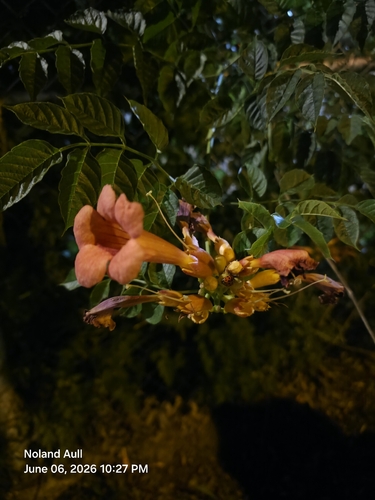
(c) Noland Aull, some rights reserved (CC BY)
License: CC BY 4.0 ↗
Image may be shown cropped inside the card frame.
Jun 7, 2026
Photo attribution
(c) Noland Aull, some rights reserved (CC BY)
License: CC BY 4.0 ↗
Image may be shown cropped inside the card frame.
Jun 7, 2026
Jun 7, 2026
Jun 7, 2026

Maryland, US
You might spot White-Tailed Deer and Eastern Gray Squirrel.
View guide →
.jpg)
District of Columbia, US
You might spot Eastern Gray Squirrel, Duck, and House Sparrow.
View guide →

Illinois, US
You might spot American Robin, Canada Goose, and House Sparrow.
View guide →

Virginia, US
You might spot Spotted Lanternfly and Northern Cardinal.
View guide →
Take the discovery with you
Identify the wildlife you spot, learn as you go, and keep a collection of the adventure.