American Sweetgum

Lock and Dam No. 20 stands as a monumental engineering achievement on the Upper Mississippi River, forming a critical link in the 9-foot navigation channel system. This impressive structure, operated by the U.S. Army Corps of Engineers, functions as a colossal "water elevator," allowing large commercial barges and recreational vessels to traverse the changing elevations of the river. It's not just a functional landmark but also a fascinating point of interest where visitors can witness the intricate dance of river commerce and observe the powerful currents of one of America's greatest waterways.
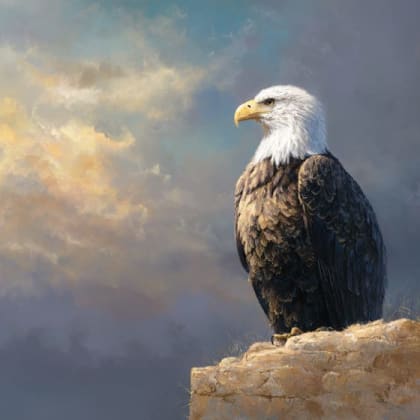
While lacking traditional curated exhibits, the main attractions here are the dynamic operations of the lock and the vibrant natural ecosystem it fosters. Key sights include the massive lock and dam structures themselves, featuring robust Tainter gates and roller gates that control the mighty Mississippi's flow. The area is a haven for diverse wildlife, particularly providing exceptional birdwatching opportunities. Keep an eye out for majestic Bald Eagles, especially prevalent during the winter months, and a variety of waterfowl that frequent the river. Anglers will find an abundance of fish species such as walleye, sauger, white bass, crappie, and catfish.
Visiting Lock and Dam No. 20 offers a memorable experience that blends industrial grandeur with natural beauty. It's a place to marvel at human ingenuity in taming a powerful river, appreciate the economic artery it represents, and connect with the rich biodiversity of the Mississippi. The rhythmic flow of the river, the passage of towering towboats, and the seasonal migration of birds create a dynamic and ever-changing landscape, ensuring each visit holds a unique charm. Wondering what that bird or insect is? Find out on your visit using the Snappit nature app.
and engineering buffs. * Families interested in educational outings.
Observe the lock in action, photograph the structures and wildlife, fish from designated areas, and enjoy nature watching.
Winter is cold but ideal for eagle viewing. Spring and fall bring migratory bird activity. Summer offers warmer weather for general viewing and fishing, though eagle numbers will be lower.
From the Illinois side, there is no dedicated viewing platform, but the dam can be viewed from a boat ramp located at the end of County Road 30E in Meyer, Illinois. Recreational boaters can lock through, communicating with lock personnel via VHF radio (Channel 14) or cell phone.
Watch impressive commercial barges and recreational boats being raised or lowered by the lock.
Marvel at the immense concrete and steel engineering of the dam, including its 3 roller gates and 40 Tainter gates.
During winter, observe Bald Eagles soaring overhead or perched near the river, often concentrating around the open water below the dam.
Enjoy the expansive and dynamic views of the Upper Mississippi River.
Each card links to a full Explore page with photos, traits, and fun facts.
Start with the big picture, then zoom in to explore individual wildlife observations around this place.
Bring binoculars to enhance your view of distant wildlife and the detailed operations of the lock and dam.
Check the U.S. Army Corps of Engineers Rock Island District website for current navigation conditions or any alerts before your visit.
Dress in layers suitable for outdoor conditions, as the riverfront can be windy and temperatures can change quickly.
Anglers should carry a valid Illinois fishing license and be aware of local regulations.
If arriving by recreational boat, hail the lock operator on VHF Channel 14 well in advance or use a cell phone to request lockage, and always follow their instructions for safety.
Apr 18, 2026
Feb 8, 2026
Feb 8, 2026
Feb 2, 2026
Feb 2, 2026

Maryland, US
You might spot White-Tailed Deer and Eastern Gray Squirrel.
View guide →
.jpg)
District of Columbia, US
You might spot Eastern Gray Squirrel, Duck, and House Sparrow.
View guide →

Illinois, US
You might spot American Robin, Canada Goose, and House Sparrow.
View guide →

Virginia, US
You might spot Spotted Lanternfly and Northern Cardinal.
View guide →
Take the discovery with you
Identify the wildlife you spot, learn as you go, and keep a collection of the adventure.