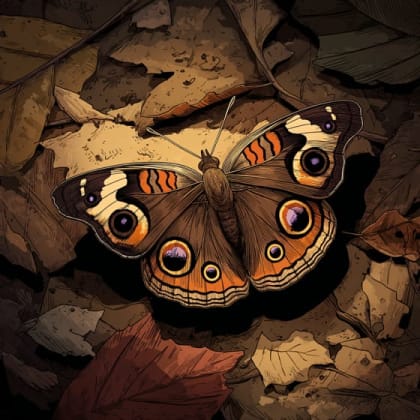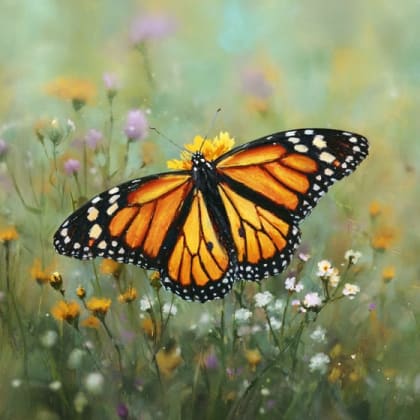





Monarch Butterfly

Norfolk Botanical Garden is a stunning 155-acre horticultural haven in Virginia, offering a year-round display of natural beauty and diverse plant life.
Norfolk Botanical Garden is a stunning 155-acre horticultural haven in Virginia, offering a year-round display of natural beauty and diverse plant life. Renowned for its exceptional scenery and educational programs, it boasts one of the largest collections of azaleas, camellias, roses, and rhododendrons on the East Coast, making it a premier example of horticultural excellence.
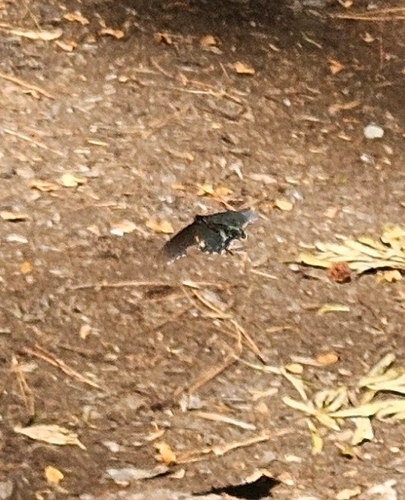
The garden features over 60 distinctive themed gardens, each offering a unique experience. Explore the vibrant Bicentennial Rose Garden, home to over 3,000 rose plants representing more than 430 varieties, particularly breathtaking in June. Discover the tranquility of the Japanese Garden, wander through the impressive Camellia Collection, or marvel at the diverse array of native butterflies in the seasonal Bristow Butterfly House. Families will delight in the WOW Children's Garden, designed for immersive and educational play. The garden is also a sanctuary for wildlife, with over 175 bird species, including bald eagles, and numerous butterflies.
Whether you choose to stroll through its extensive walking trails, enjoy a relaxing tram tour, or experience a unique perspective from a boat gliding along its canals, Norfolk Botanical Garden provides an immersive and inspiring connection to nature. Its vibrant seasonal blooms, intricate garden designs, and commitment to environmental education offer a memorable escape for visitors of all ages and interests, encouraging a deeper appreciation for the plant world. Turn your visit into a safari! Use the Snappit app to scan and log wildlife sightings here.
The Norfolk Botanical Garden's roots trace back to 1938, when Norfolk City Manager Thomas P. Thompson and horticulturalist Frederic Heutte envisioned a grand azalea garden. They secured 75 acres of high, wooded ground and reservoir land, initiating what was then known as the Norfolk Azalea Garden. A significant Works Progress Administration (WPA) grant in 1938 allowed 200 African-American women and 20 men to clear the dense land and plant thousands of azaleas, rhododendrons, and other trees and shrubs by March 1939, laying the foundation for the sprawling garden seen today. In 1958, the Old Dominion Horticultural Society assumed maintenance, officially renaming it the Norfolk Botanical Garden. Throughout the 1950s and 60s, the garden continued to expand, adding themed areas like the Japanese Garden, Desert Plants Garden, Colonial Garden, and Rose Garden. It was recognized for its historical significance in 2005 when it was listed on the National Register of Historic Places.
Enjoy leisurely walks on extensive trails, take a guided tram tour (included with admission), or experience a relaxing boat tour (additional fee) through the canals. Engage in birdwatching—over 175 species have been documented. Explore the various themed gardens, participate in educational programs, or attend seasonal events.
Spring: Bursting with azaleas, rhododendrons, daffodils, and tulips.
Summer: Peak rose blooms, active Butterfly House, and lush greenery.
Fall: Rich autumn foliage, asters, Black-Eyed Susans, and the Harvest Festival.
Winter: Tranquil landscapes, unique winter blooms, and the dazzling Dominion Energy Garden of Lights.
Wheelchairs are available to borrow on a first-come, first-served basis at the Visitor Center (manual wheelchairs are free; electric wheelchairs have a rental fee). While many paths are paved, some are permeable, packed gravel, which can be tricky but navigable for wheelchairs and strollers.
A magnificent display with thousands of roses.
Home to diverse native butterflies (open seasonally).
An interactive adventure garden for younger visitors.
A serene and thoughtfully designed cultural landscape.
Each card links to a full Explore page with photos, traits, and fun facts.
Start with the big picture, then zoom in to explore individual wildlife observations around this place.
Wear comfortable walking shoes
With 155 acres and extensive trails, you'll be doing a lot of walking.
Bring a reusable water bottle
The Garden provides filtered water dispensers and bottle refill stations, promoting environmental action.
Check tram and boat tour schedules in advance: Times can vary by season and day, so it's good to plan if you wish to experience these guided tours.
Visit in spring for azaleas or June for roses: These periods offer some of the most spectacular floral displays.
Consider a boat tour
It offers a unique and relaxing perspective of the gardens and a chance to spot waterfowl.
Don't miss the WOW Children's Garden if with kids: It's a three-acre area dedicated to interactive and educational fun.
May 30, 2026
Photo attribution
no rights reserved
License: CC0 1.0 ↗
Image may be shown cropped inside the card frame.
May 17, 2026
Photo attribution
(c) Gold eagle Kroll, some rights reserved (CC BY)
License: CC BY 4.0 ↗
Image may be shown cropped inside the card frame.
May 17, 2026
Photo attribution
(c) Gold eagle Kroll, some rights reserved (CC BY)
License: CC BY 4.0 ↗
Image may be shown cropped inside the card frame.
May 17, 2026
Photo attribution
(c) Gold eagle Kroll, some rights reserved (CC BY)
License: CC BY 4.0 ↗
Image may be shown cropped inside the card frame.
May 17, 2026
Photo attribution
(c) Gold eagle Kroll, some rights reserved (CC BY)
License: CC BY 4.0 ↗
Image may be shown cropped inside the card frame.

Maryland, US
You might spot White-Tailed Deer and Eastern Gray Squirrel.
View guide →
.jpg)
District of Columbia, US
You might spot Eastern Gray Squirrel, Duck, and House Sparrow.
View guide →

Illinois, US
You might spot American Robin, Canada Goose, and House Sparrow.
View guide →

Virginia, US
You might spot Spotted Lanternfly and Northern Cardinal.
View guide →
Take the discovery with you
Identify the wildlife you spot, learn as you go, and keep a collection of the adventure.