





Rock Pigeon

St. Mark's Historic District is a captivating journey into New York City's rich past.
Nestled in Manhattan's vibrant East Village, St. Mark's Historic District offers a unique glimpse into centuries of New York history and architectural evolution. This compact yet immensely significant area, encompassing portions of East 10th Street and Stuyvesant Street, is renowned for its exceptional collection of Federal, Greek Revival, and Italianate buildings, anchored by the historic St. Mark's Church in-the-Bowery. It stands as a testament to the city's development from Dutch colonial farmland to a bustling urban center, preserving a distinct street pattern that predates Manhattan's grid system.
The district's architectural treasures include Manhattan's oldest house still in use as a residence at 44 Stuyvesant Street, and the grand Federal-style Stuyvesant-Fish House at 21 Stuyvesant Street. St. Mark's Church in-the-Bowery, New York's oldest site of continuous religious worship, showcases a fascinating blend of architectural styles, from its Georgian fieldstone body to its Greek Revival steeple and Italianate cast-iron portico. Visitors can also admire the "Renwick Triangle," a collection of striking Anglo-Italianate rowhouses designed by famed architect James Renwick, Jr., which adds a formal residential character to the streets.
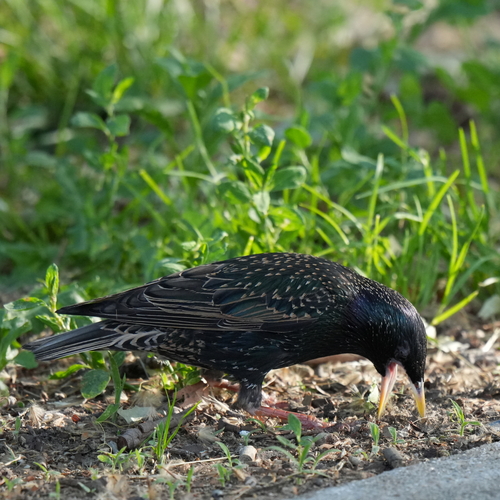
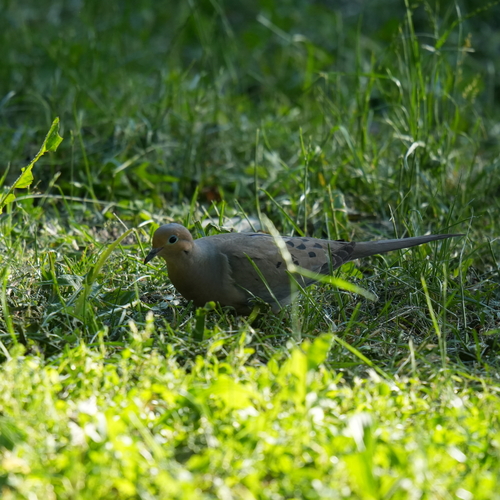
A visit to St. Mark's Historic District is an immersive experience, offering a tangible connection to the city's foundational history and its architectural heritage. It's a place where every facade tells a story, from the early Dutch settlers to the influential figures of the 19th century, making it an essential destination for those seeking to understand the layers of New York City's past. The district's unique street layout and preserved buildings provide a serene and historically rich counterpoint to the energetic pace of the surrounding East Village. Wondering what that bird or insect is? Find out on your visit using the Snappit nature app.
The St. Mark's Historic District is steeped in the legacy of Peter Stuyvesant, the last Dutch Director-General of New Netherland. The entire district is built upon land that was part of Stuyvesant's 17th-century farm, or "Bouwerie." In the late 18th century, his great-grandson, Petrus Stuyvesant, laid out Stuyvesant Street in a true east-west orientation, a unique feature that defies Manhattan's later grid system and creates distinctive triangular intersections. Petrus also donated the land and funds for St. Mark's Church, built between 1795-1799 on the site of a 1660 chapel where Peter Stuyvesant himself is buried, making it the oldest site of continuous religious worship in New York City. The district was officially designated a city landmark by the New York City Landmarks Preservation Commission in 1969, and later expanded in 1984. The area's development continued with mid-19th century Italianate and Greek Revival row houses, contributing to its residential character. Throughout its history, the district has maintained its architectural integrity and historical significance, preserving a vital fragment of New York's past.
Take a self-guided walking tour to appreciate the diverse architectural styles and historical plaques. Attend a service or cultural event at St. Mark's Church in-the-Bowery, which often hosts poetry readings, concerts, and community gatherings. Explore the surrounding East Village neighborhood, known for its vibrant culture, shops, and dining.
Spring: Blooming trees and gardens enhance the scenic beauty.
Summer: Lush greenery, but can be hot and humid. Consider visiting in the early morning or late afternoon. Outdoor cafes and events in the wider East Village are abundant.
Fall: Beautiful autumn foliage on the district's mature trees, creating picturesque streetscapes.
Winter: Quieter, with a stark beauty that highlights the architectural lines of the buildings. Snowfall can create charming photo opportunities.
The district primarily consists of city streets and sidewalks, which are generally paved. St. Mark's Church in-the-Bowery added an accessibility ramp to its historic portico in 2018, improving wheelchair access to the church.
St. Mark's Church in-the-Bowery
21 Stuyvesant Street (Stuyvesant-Fish House)
44 Stuyvesant Street (Manhattan's oldest house still in use as a residence)
Stuyvesant Street itself, with its unique east-west alignment
Each card links to a full Explore page with photos, traits, and fun facts.
Start with the big picture, then zoom in to explore individual wildlife observations around this place.
Wear comfortable shoes, as the best way to experience the district is on foot.
Bring a camera to capture the stunning architecture and historic streetscapes.
Combine your visit with exploration of the surrounding East Village, known for its diverse food scene and unique shops.
Look for historical markers and plaques on buildings to learn more about their individual stories.
Consider a guided walking tour to gain deeper insights into the district's rich history and architectural nuances.
Be respectful of residents, as many of the historic buildings are private homes.
Jun 5, 2026
Photo attribution
(c) foxsu, some rights reserved (CC BY)
License: CC BY 4.0 ↗
Image may be shown cropped inside the card frame.
Jun 5, 2026
Photo attribution
(c) foxsu, some rights reserved (CC BY)
License: CC BY 4.0 ↗
Image may be shown cropped inside the card frame.
Jun 5, 2026
Photo attribution
(c) foxsu, some rights reserved (CC BY)
License: CC BY 4.0 ↗
Image may be shown cropped inside the card frame.
Jun 5, 2026
Photo attribution
(c) foxsu, some rights reserved (CC BY)
License: CC BY 4.0 ↗
Image may be shown cropped inside the card frame.
Jun 6, 2026

Maryland, US
You might spot White-Tailed Deer and Eastern Gray Squirrel.
View guide →
.jpg)
District of Columbia, US
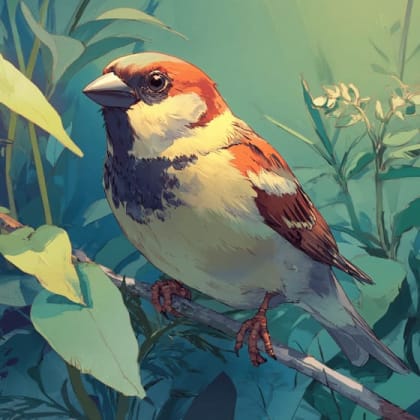
You might spot Eastern Gray Squirrel, Duck, and House Sparrow.
View guide →

Illinois, US
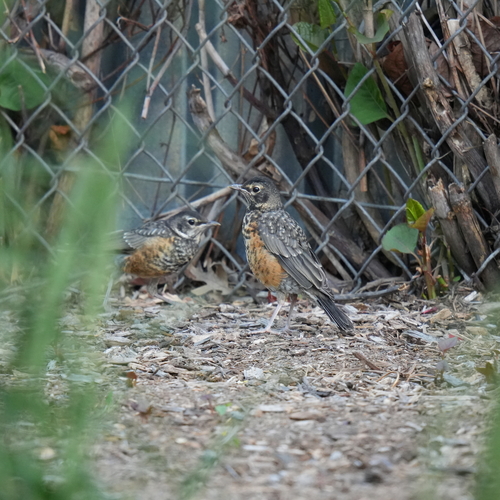
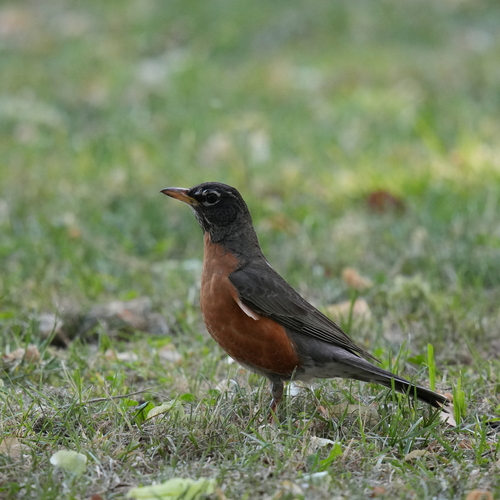
You might spot American Robin, Canada Goose, and House Sparrow.
View guide →

Virginia, US
You might spot Spotted Lanternfly and Northern Cardinal.
View guide →
Take the discovery with you
Identify the wildlife you spot, learn as you go, and keep a collection of the adventure.














.jpg&width=800)


