_(5005682834).jpg&width=800)





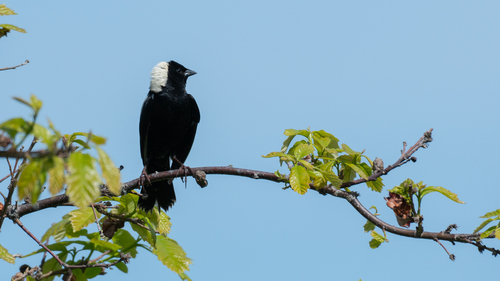
Bobolink
Dolichonyx oryzivorus
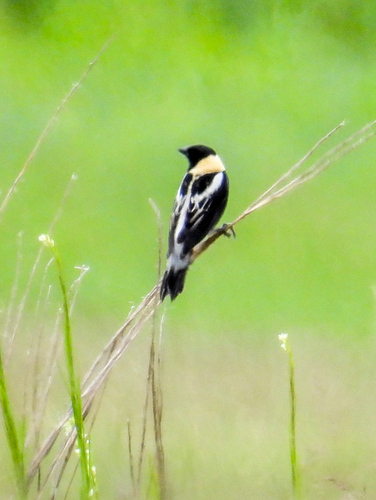
The Bobolink is a small, colorful bird known for its cheerful song. It has a black back and a white belly, making it easy to spot in fields and meadows during the summer.
Habitat: Grasslands
The Bobolink is a medium-sized songbird, famous for the breeding male's striking black body, white wing patches, and a bright yellow nape. Females and non-breeding males are streaky brown, resembling large sparrows, with a distinctive pointed tail.
Category
BirdsRarity
Common
Danger
1/5 · Very low
Snaps
27
Bobolinks were once called 'skunk birds' due to the white markings on their black backs!
During migration, Bobolinks can gather in huge flocks, sometimes numbering in the thousands!
Male Bobolinks sing so much that their throat muscles can swell during breeding season!
Their scientific name 'oryzivorus' means 'rice eating', referring to their diet in winter.
Bobolinks can navigate using Earth's magnetic field because it helps them find their way across vast distances during migration.
Bobolinks have a bubbly, complex song that they often sing while in flight, which helps them attract mates and defend territory.
Bobolinks can change their plumage dramatically, losing their bright breeding colors to blend seamlessly into grassy winter habitats.
Bobolinks eat insects in summer and switch to seeds and grains for energy during migration.
Age differences: Young birds eat mostly insects for rapid growth, while adults consume more seeds seasonally.

Melanoplus differentialis
A key insect prey for adults and young Bobolinks.
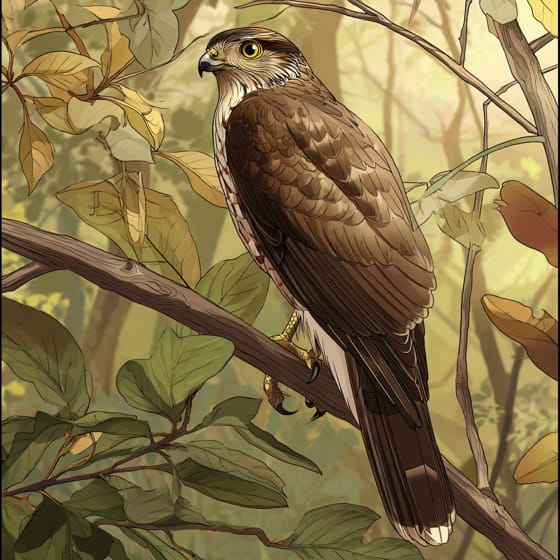
Accipiter cooperii
A common aerial predator of adult Bobolinks.
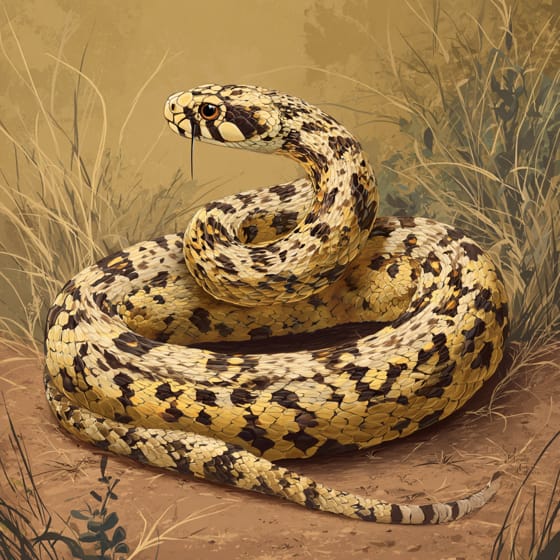
Pituophis catenifer
Preys on Bobolink eggs and nestlings from ground nests.
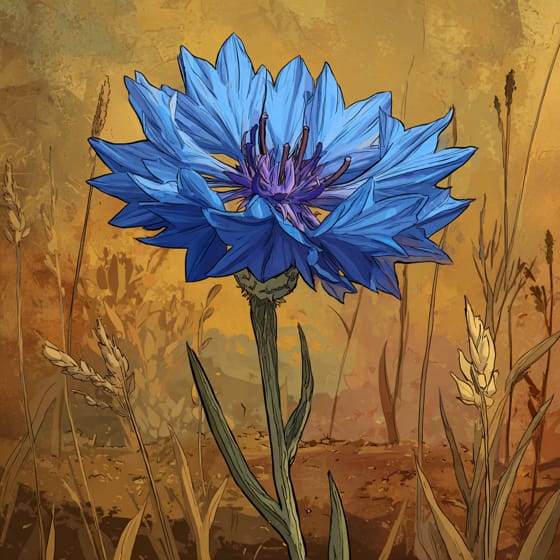
Zea mays
Bobolinks forage on cultivated grains, especially during migration.
Feathered describes animals, primarily birds, possessing a covering of feathers.
Social animals live in organized groups, cooperating for survival benefits such as foraging, defense, and raising offspring.
Singing animals produce complex vocalizations, often for purposes of attracting mates, defending territory, or communicating within their species.
Colorful describes organisms or objects displaying a wide range of bright and distinct colors.

Grassland habitats are terrestrial biomes dominated by grasses and herbaceous plants, supporting a variety of grazing animals.

This trait identifies organisms whose diet primarily consists of insects and other small invertebrates.

Migratory animals undertake seasonal movements from one region to another, typically in response to changes in climate or food availability.
No aliases listed yet.
Danger
1/5 · Very low
If you see a bird's nest, be sure to watch from a distance and not touch it.
The easiest way to identify Bobolink is to use the Snappit nature identifier app.
16-18 cm
25-32 cm
0.028-0.056 kg
2-5 years
60 km/h
Bobolinks eat insects in summer and switch to seeds and grains for energy during migration.
Grasslands
Zoom in to split clusters and explore where this object has been snapped.
Jun 2, 2026
Cape Arundel Summer Colony Historic DistrictPhoto attribution
no rights reserved
License: CC0 1.0 ↗
Image may be shown cropped inside the card frame.
May 29, 2026
Jackson Terrace Historic DistrictPhoto attribution
no rights reserved
License: CC0 1.0 ↗
Image may be shown cropped inside the card frame.

Massachusetts, US
You might spot Maidenhair Spleenwort and Red Trillium.
View guide →

Massachusetts, US
You might spot Common Eastern Bumble Bee and Eastern Skunk Cabbage.
View guide →

Massachusetts, US
You might spot Turkey, Garter Snake, and Multiflora Rose.
View guide →

Pennsylvania, US
You might spot Canada Goose, American Robin, and Red-Winged Blackbird.
View guide →

Maine, US
You might spot Rugosa Rose and European Green Crab.
View guide →

Illinois, US
You might spot Osage-Orange, Cutleaf Teasel, and Red Clover.
View guide →
Take the discovery with you
Snap it with Snappit to identify it, learn what makes it special, and add the discovery to your collection.




.jpg&width=800)








